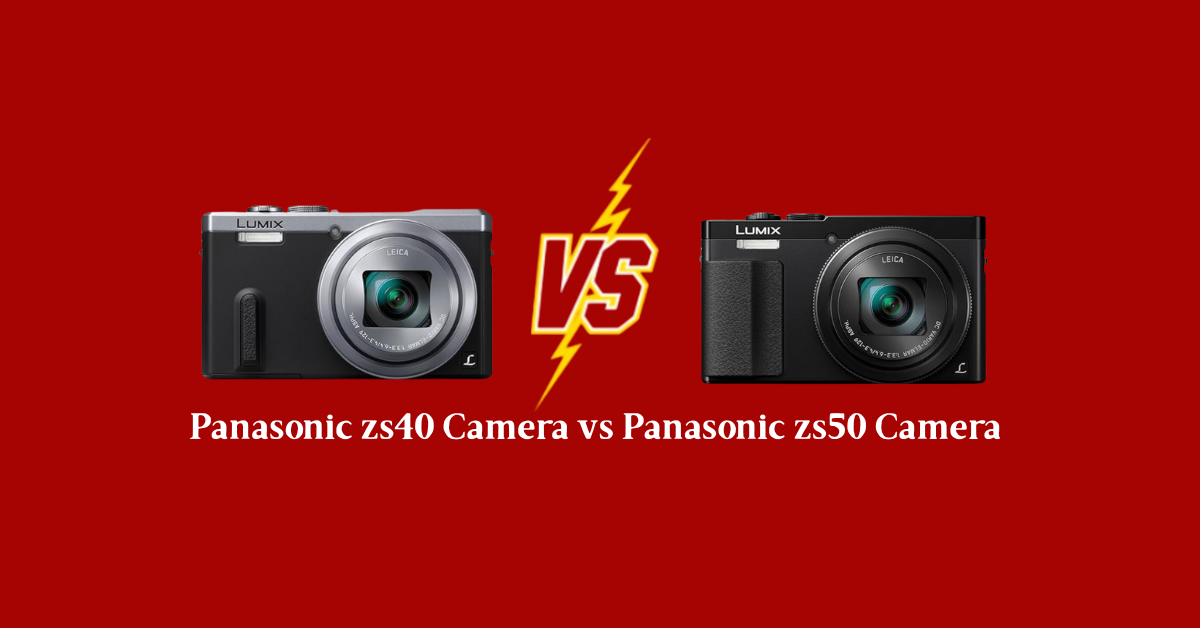
Panasonic ZS40 vs ZS50: Battle of the Compact Travel Camera
Travelers often search for a camera that balances portability with performance, and Panasonic’s ZS40 and ZS50 sit right at that sweet spot. Both models offer powerful zoom capabilities wrapped in compact bodies that slip easily into a pocket or day bag.
At first glance, their similarities may blur the choice, but subtle distinctions make each camera shine in its own way. The ZS40 delivers a feature-rich experience with GPS mapping and advanced controls, appealing to users who enjoy extra tools while shooting.
The ZS50 takes a slightly different direction by improving image quality in low-light environments and streamlining its interface for straightforward operation. These differences highlight two approaches to travel photography: one emphasizing versatility and built-in extras, the other prioritizing clarity and ease of use. Exploring how these strengths align with your shooting style makes it easier to decide which compact zoom truly deserves your next adventure.
Panasonic ZS40 vs ZS50: Detailed Comparison and Review
Compact travel cameras are still popular among photography lovers who want quality images without carrying heavy gear. Panasonic’s ZS series has long been a favorite, and two of its most talked-about models are the Panasonic Lumix DMC-ZS40 and the Panasonic Lumix ZS50.
At first glance, they look almost identical. Both come with a 30x Leica zoom lens, built-in viewfinder, and a slim design. Yet, their strengths are different. This detailed guide explores the Panasonic ZS40 review and the Panasonic ZS50 review, compares their features side by side, and helps you decide which camera fits your needs better.
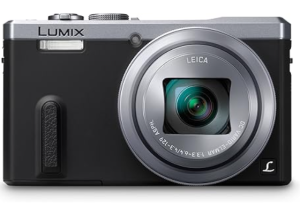
Panasonic DMC-ZS40 Digital Camera
About This Tool
The Panasonic ZS40 is a compact digital camera designed for travel and everyday photography. It combines portability with advanced controls, offering a powerful 18.1MP CMOS sensor and a 30x optical Leica zoom lens. It also includes modern features like GPS, Wi-Fi, and NFC for quick sharing. A built-in electronic viewfinder (EVF) helps frame shots in bright sunlight, something smartphone cameras often struggle with.
Features
-
18.1-megapixel CMOS sensor for high-resolution images.
-
30x Leica zoom lens with a wide range of 24–720mm.
-
Optical image stabilization reduces blurring.
-
Full HD 1080p video recording.
-
3-inch LCD display with 920k-dot resolution.
-
Built-in EVF for stable and glare-free shooting.
-
GPS and Wi-Fi connectivity for travel convenience.
-
Various shooting modes: manual, aperture priority, shutter priority, panorama, and more.
What We Like
-
Extremely powerful zoom for a pocket-sized camera.
-
RAW format support for detailed editing.
-
GPS is helpful for travel photographers who want geotagged photos.
-
EVF makes it more versatile than cameras with only an LCD screen.
-
Lightweight body that fits in a pocket or small bag.
What We Didn’t Like
-
Low-light performance is weaker due to the high megapixel sensor.
-
LCD resolution is not as sharp as newer models.
-
Battery life is limited to about 300 shots.
-
No 4K video support.
My Opinion
The Panasonic ZS40 is excellent for travelers who want detail-rich photos and built-in GPS tracking. The Panasonic ZS40 zoom performance is especially strong, allowing distant subjects to appear sharp and close. But in low-light, noise becomes noticeable. It’s best for daytime adventures, landscapes, and travel documentation.
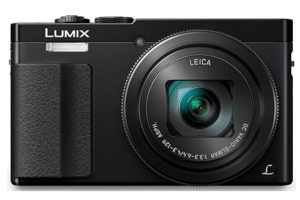
Panasonic Lumix ZS50 Camera
Product Details
The Panasonic ZS50 takes a different path. Instead of chasing higher megapixels, Panasonic reduced the resolution to 12.1MP. This may sound like a downgrade, but it improves low-light performance by using larger pixels that capture more light. It retains the same 30x Leica zoom lens and adds refinements such as a sharper LCD screen and faster burst shooting.
Features
-
12.1MP MOS sensor for better low-light photography.
-
30x Leica zoom lens (24–720mm equivalent).
-
Optical image stabilization for sharper handheld shots.
-
Built-in EVF to avoid glare outdoors.
-
Full HD 1080p video with clear detail.
-
3-inch LCD with improved 1040k-dot resolution.
-
10fps high-speed burst shooting for action moments.
-
Wi-Fi connectivity for quick sharing.
What We Like
-
Lower megapixel count improves ZS50 low-light performance.
-
Clearer EVF and sharper LCD compared to ZS40.
-
Faster autofocus and smooth handling.
-
Compact and lightweight, perfect for travelers.
-
Reliable continuous shooting at 10fps.
What We Didn’t Like
-
Lower resolution may not suit those who print large images.
-
No 4K video option, only Full HD.
-
Limited built-in storage (86MB).
-
Aperture is not very wide, so some shots may need more light.
My Opinion
The Panasonic ZS50 is more balanced in real-world performance. Fewer megapixels mean sharper results in dim conditions, making it ideal for night photography or indoor events. While you don’t get as much resolution as the ZS40, the difference is rarely noticeable unless printing very large images. For most users, the Panasonic ZS50 review shows it is the more practical and reliable choice.
Detailed Comparison: Panasonic ZS40 vs ZS50
Both cameras share the same 30x Leica zoom lens, compact design, and built-in electronic viewfinder. The major difference lies in their sensors. The ZS40 offers an 18.1MP CMOS sensor, giving more resolution but weaker low-light handling. The ZS50 steps down to 12.1MP, but the larger pixels capture more light, leading to improved results in darker scenes.
The ZS50 also features a sharper LCD screen (1040k vs. 920k dots) and improved burst shooting at 10fps. The ZS40 includes GPS, which is useful for travelers who want automatic location tagging. Both record Full HD video but lack 4K recording. In short, the ZS40 leans toward resolution and travel features, while the ZS50 prioritizes image quality and low-light shooting.
FAQs
Q1: Is the Panasonic ZS40 good for travel?
Yes, the Panasonic ZS40 travel camera is excellent thanks to its GPS, high resolution, and long zoom.
Q2: Does the Panasonic ZS50 take better low-light photos?
Yes. The ZS50 low-light performance is stronger because of its larger pixels and lower resolution sensor.
Q3: Do both models support RAW shooting?
Yes, both support RAW files, giving photographers full editing control.
Q4: Is the ZS40 still worth buying today?
Yes, the ZS40 is still a solid travel camera if you value higher resolution and GPS tagging.
Q5: Which model is easier for beginners?
The Panasonic ZS50 is more forgiving, especially in difficult lighting conditions, making it easier for casual users.
Conclusion
The Panasonic ZS40 vs ZS50 comparison shows two cameras with similar looks but different strengths. The ZS40 offers higher resolution and GPS features, making it more appealing to travelers who want detailed images and location tracking. The ZS50 focuses on performance in real-world conditions, especially in low light, with smoother operation and sharper displays.
For daytime travelers who want every detail, the ZS40 is a fine pick. For those who need reliable results in all lighting conditions, the ZS50 is the smarter choice. Both remain excellent compact cameras, even years after release.