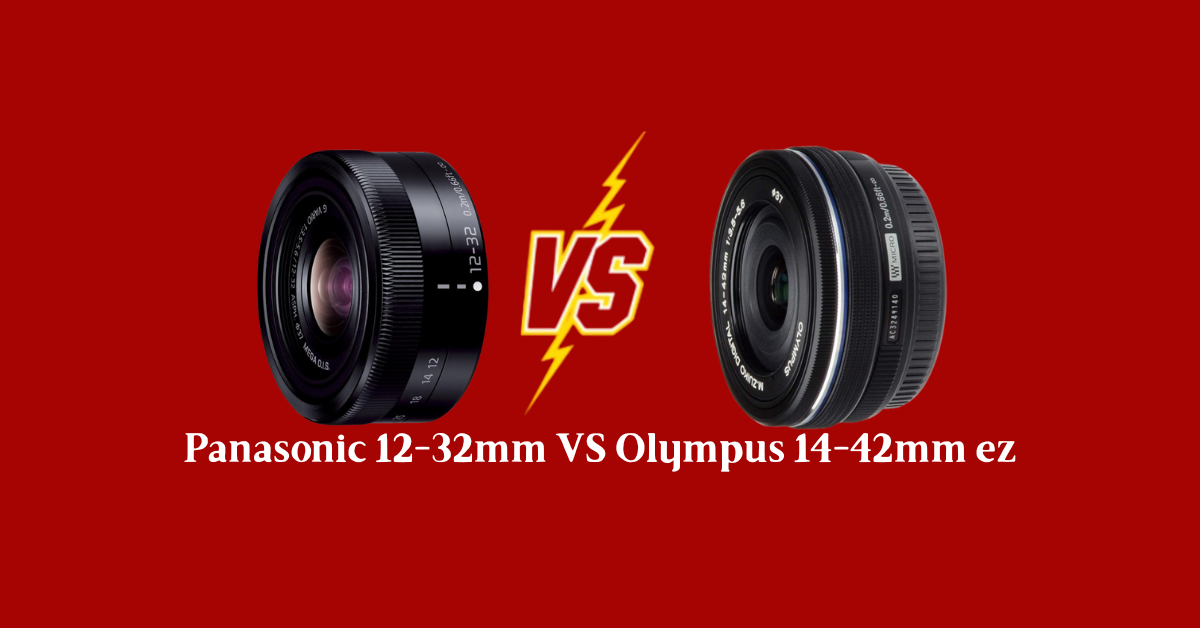
Panasonic 12-32mm vs Olympus 14-42mm EZ: Battle of Compact Zooms
Photographers who value portability often search for lenses that deliver strong performance in the smallest possible size. The Panasonic Lumix 12-32mm and the Olympus M.Zuiko 14-42mm EZ stand out as two of the most compact zoom options in the Micro Four Thirds lineup.
The Panasonic lens impresses with its wider starting focal length, giving landscape and street shooters extra breathing room for dramatic perspectives. The Olympus lens stretches slightly longer, offering more reach for portraits, travel snapshots, and everyday versatility.
Both lenses boast sharp optics, responsive autofocus, and a lightweight design that makes them perfect companions for compact mirrorless bodies. Design differences, focal range preferences, and handling characteristics create unique advantages for each lens.
Exploring these factors helps photographers match their style to the right tool, ensuring the perfect balance of portability, image quality, and creative flexibility on every outing.
Panasonic 12-32mm vs Olympus 14-42mm EZ
Compact zoom lenses for Micro Four Thirds cameras have become very popular because they combine portability with versatility. Photographers who travel often, or those who simply prefer light gear, find these lenses practical and easy to use. Both the Panasonic Lumix G Vario 12-32mm and the Olympus M.Zuiko Digital 14-42mm EZ are designed with this idea in mind.
They are small, affordable, and give solid performance for everyday photography. While both cover a similar zoom range, their designs and features make them stand out in different ways. This article explores their details, features, pros, cons, and which one might suit you better.
Panasonic Lumix G Vario 12-32mm
About This Tool
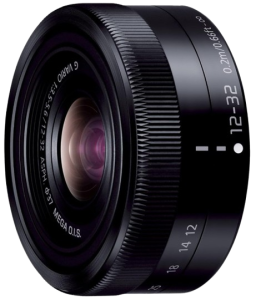
The Panasonic 12-32mm is one of the smallest zoom lenses available for the Micro Four Thirds system. It feels almost like a pancake lens because of its tiny size and light weight. Despite the compact design, it still covers a useful zoom range that goes from wide angle to standard view. For travelers, this means one lens can capture landscapes, street scenes, group photos, and daily snapshots without taking up much space in the bag.
Features
-
Focal length: 12–32mm (equivalent to 24–64mm in 35mm terms)
-
Aperture range: f/3.5–5.6
-
Lens design: 8 elements in 7 groups, including aspherical glass for better sharpness
-
Minimum focus distance: 0.2m, useful for close-up subjects
-
Dimensions: 55.5mm diameter × 24mm length
-
Weight: only 70g, very lightweight
-
Built-in MEGA O.I.S. (optical image stabilization)
-
Retractable sink mechanism for portability
What We Like
-
Very small and almost weightless, perfect for travel or street photography
-
Wide starting point at 12mm, which is helpful for architecture and landscape shots
-
Built-in optical stabilization helps reduce blur when shooting handheld
-
Delivers sharp and clear images in most situations
-
Affordable compared to many other zoom lenses
What We Didn’t Like
-
No manual focus ring, which limits creative control for some users
-
Plastic build feels less solid compared to higher-end lenses
-
Narrow maximum aperture makes it less effective in low light conditions
-
Bokeh is not very strong due to the slower aperture
My Opinion
The Panasonic 12-32mm is an excellent choice for casual photographers who value size and convenience over advanced features. It is not designed for professionals who need fast apertures or premium build quality, but for everyday use it is reliable. Anyone who wants a simple travel lens or a small lens for walking around the city will appreciate it.
Olympus Digital 14-42mm EZ
Product Details
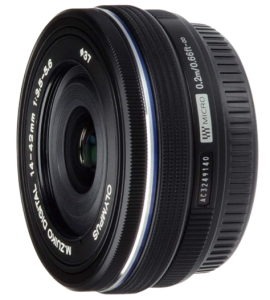
The Olympus 14-42mm EZ is another compact zoom lens that competes directly with the Panasonic 12-32mm. Unlike the Panasonic lens, this one features an electronic zoom mechanism. That makes it especially appealing to people who shoot video, because the zoom is smoother and quieter compared to manual zooms. It is also very thin, which makes it a good companion for compact Micro Four Thirds cameras.
Features
-
Focal length: 14–42mm (equivalent to 28–84mm in 35mm terms)
-
Aperture range: f/3.5–5.6
-
Ultra-thin pancake-style design with retractable lens body
-
Electric zoom function for smooth video zooming
-
Wireless zoom control through the Olympus OI.Share mobile app
-
Dimensions: 61mm diameter × 23mm length
-
Weight: 91g, still very lightweight
-
Fully rotating focus ring for manual adjustments
What We Like
-
Electric zoom provides smoother and quieter zooming for video recording
-
Very compact and pocket-friendly, excellent for lightweight setups
-
Wireless zoom adds a level of flexibility when shooting remotely
-
Longer zoom reach at 42mm, making it more useful for portraits and distant subjects
-
Solid image quality for a small lens
What We Didn’t Like
-
Not as wide as the Panasonic lens, starting at 14mm instead of 12mm
-
Electric zoom can feel less natural for photographers who prefer manual control
-
Slightly heavier than the Panasonic 12-32mm
-
Low light performance is limited due to narrow maximum aperture
My Opinion
The Olympus 14-42mm EZ is a strong option for vloggers and video creators. The smooth zooming and wireless control give it an edge for video work. For photographers, it still performs well, especially for those who want a compact zoom with a bit more reach. It may not be as wide as the Panasonic, but its extra 42mm telephoto end is useful.
Detailed Comparison
Both lenses are built for portability, but their differences shape how they are best used. The Panasonic 12-32mm is better for wide shots and landscapes because of its 12mm starting point. It is also slightly lighter and includes optical stabilization, which is very helpful for handheld stills.
On the other hand, the Olympus 14-42mm EZ is designed with video in mind. The electric zoom allows for smooth transitions while recording, something the Panasonic cannot match. It also supports wireless zooming through a smartphone app, which is useful for remote shooting setups.
For photographers, the Panasonic might feel more natural due to its wide-angle and stabilization. For video shooters, the Olympus provides better handling with its smooth zoom. Both are affordable and compact, so the final choice depends on whether photos or videos are the main priority.
FAQs
Which lens is better for beginners?
The Panasonic 12-32mm is easier for beginners because it is simple, wide, and stabilized.
Which lens is better for vlogging?
The Olympus 14-42mm EZ is better for vlogging due to its electric zoom.
Do they work on both Panasonic and Olympus cameras?
Yes, both lenses use the Micro Four Thirds mount, so they are cross-compatible.
Which is lighter?
The Panasonic 12-32mm is lighter at 70g compared to the Olympus 14-42mm EZ at 91g.
Which is sharper?
Both lenses deliver good sharpness for casual photography. The Panasonic is often sharper at the wide end, while the Olympus gives better reach.
Conclusion
The Panasonic 12-32mm is best for those who want the smallest and lightest lens with wide-angle capability. It is ideal for travel, landscapes, and daily photos. The Olympus 14-42mm EZ is better for those who shoot more video, since its electric zoom and wireless control provide smooth operation during recording. Both lenses are compact, affordable, and practical, but each one shines in different areas. The right choice depends on whether wide still shots or smooth video zooms matter more to you.