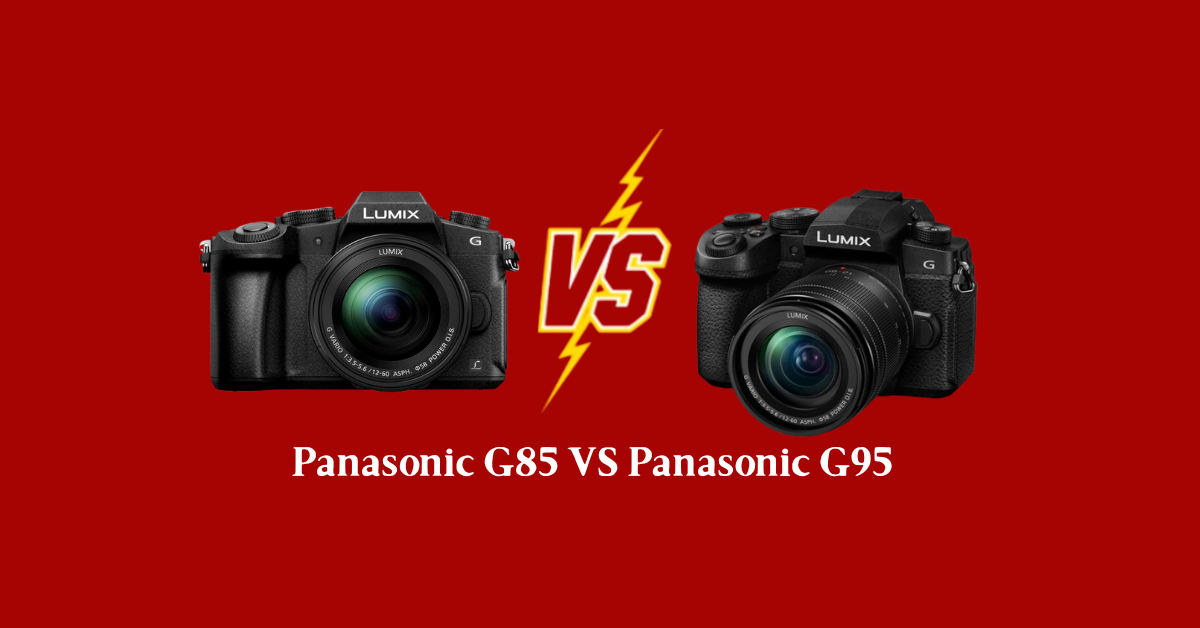
Panasonic G85 vs G95: Which Camera Fits Your Style?
Panasonic’s mid-range mirrorless lineup attracts photographers who want strong performance without investing in high-end models. The G85 has earned respect for its durability, affordability, and balance between stills and video.
The G95 entered the market as its successor, adding refinements aimed at shooters who demand sharper resolution, more advanced video features, and enhanced ergonomics. Both cameras share a Micro Four Thirds system, 5-axis image stabilization, and weather-sealed bodies, making them solid companions for outdoor and travel photography.
Differences in sensor resolution, video recording options, and handling create distinct experiences that influence the choice between them. The G85 provides dependable results at a lower cost, while the G95 raises the bar for those who want extra flexibility and detail. Understanding how each model aligns with your creative goals helps you decide which one offers the best value for your photography or videography journey.
Panasonic G85 vs G95 Which One Is For you?
The Panasonic Lumix G series has long been a favorite among photographers and videographers who value compact bodies with strong performance. Two cameras that stand out in this line are the Panasonic G85 and the Panasonic G95.
At first glance, they look quite similar, sharing a Micro Four Thirds mount, lightweight design, and strong video capabilities. Yet, the differences in sensors, image quality, and advanced features set them apart. For anyone deciding between these two cameras, it’s important to understand how each performs in real-world situations.
Panasonic Lumix G85
About This Tool
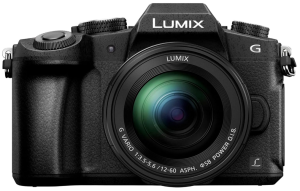
The Panasonic G85 is a mirrorless camera that balances portability and performance. It delivers high-quality stills and video while remaining compact and travel-friendly. Its weather-sealed body makes it tough enough for outdoor adventures, and its dual image stabilization system allows users to shoot handheld in many situations without blur.
Features
-
16MP Micro Four Thirds sensor with no low-pass filter
-
Dual image stabilization with 5-axis in-body and lens-based support
-
4K QFHD video recording at 3840 x 2160 resolution
-
Integrated OLED live viewfinder with 2360K dots
-
3-inch tilting touch LCD with 1040K dots
-
Burst shooting up to 30fps in 4K photo mode
-
Rugged body with splash and dust resistance
-
Compact kit with 12-60mm Power O.I.S. lens included
What We Like
-
Compact size but still feels solid in hand
-
Dual image stabilization makes handheld shooting very reliable
-
4K video capture is sharp and detailed
-
Electronic viewfinder is clear and responsive
-
Weather-sealed body adds confidence for travel and outdoor shoots
-
Great value compared to many other mirrorless cameras
What We Didn’t Like
-
16MP resolution feels dated compared to newer models
-
Autofocus can be slower in low light compared to phase-detect systems
-
No headphone jack for monitoring audio during video
-
Menu system can feel overwhelming for beginners
My Opinion
The Panasonic G85 is still an impressive camera for its price. It works very well for photographers who want a reliable everyday tool for landscapes, travel, and casual video. While the sensor isn’t the newest, the image stabilization and overall build make it an excellent mid-range choice. For budget-conscious buyers, it remains one of the best options in the Lumix lineup.
Panasonic Lumix G95
Product Details
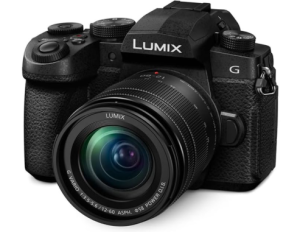
The Panasonic G95 is the natural evolution of the G85. It keeps the same lightweight design and versatile Micro Four Thirds system but improves in key areas like resolution, low-light performance, and video tools. With a 20.3MP sensor and better ISO range, it delivers sharper images and stronger detail. The G95 also includes important additions such as a headphone jack, making it more practical for serious video creators.
Features
-
20.3MP Micro Four Thirds sensor
-
ISO range up to 25,600 for better low-light performance
-
5-axis in-body image stabilization
-
4K video recording with multiple frame rate options
-
Included 12-60mm kit lens, SD card, bag, filter kit, and cleaning kit
-
High-speed and accurate autofocus system
-
Fully articulating LCD screen for vlogging and flexible shooting angles
-
Weather-sealed body designed for durability
What We Like
-
Higher resolution sensor delivers sharper and more detailed images
-
Improved low-light performance thanks to higher ISO range
-
Headphone jack supports better audio control during video recording
-
Autofocus is quick and accurate for both stills and video
-
Fully articulated LCD screen is great for self-recording and vlogging
-
Still compact and lightweight, easy to carry anywhere
What We Didn’t Like
-
Higher price compared to the G85
-
Battery life is shorter when shooting long 4K videos
-
Some users may find menus complex with many advanced settings
-
Image stabilization, while strong, is not a big step up from the G85
My Opinion
The Panasonic G95 offers noticeable improvements over the G85, especially in terms of image quality and video features. The extra resolution and low-light strength give it an edge for serious shooters. For content creators, the headphone jack and articulating screen make it a better long-term investment. It costs more than the G85, but the upgrades justify the price for those who want more flexibility.
Detailed Comparison
The Panasonic G85 and G95 share many similarities. Both are mirrorless Micro Four Thirds cameras with compact bodies, 4K video recording, and excellent stabilization systems. Both can handle travel, portraits, and even semi-professional video work.
The G85 uses a 16MP sensor, which still provides good image quality but lacks the sharpness of the G95’s 20.3MP sensor. For those who print large photos or crop often, the G95 clearly stands out. The G95 also shines in low-light shooting, offering a higher ISO ceiling for cleaner images at night or indoors.
For video shooters, the G85 already does well with 4K recording, but the G95 adds extra tools like a headphone jack and a fully articulating screen. This makes the G95 more suitable for vloggers and filmmakers who need more control. On the other hand, the G85 remains a better value if budget is a concern, as it delivers strong performance at a lower cost.
In short:
-
G85 is best for hobbyists, travelers, and photographers who want solid performance without overspending.
-
G95 is better for hybrid shooters and creators who need both sharp stills and advanced video features.
FAQs
Which camera has better image quality?
The Panasonic G95, thanks to its 20.3MP sensor, produces sharper and more detailed images.
Is the G85 still worth buying in 2025?
Yes, the G85 is still a strong option for budget-friendly photography and video.
Which camera is better for vlogging?
The G95 is better for vlogging because of its articulating screen and headphone jack.
Do both cameras have image stabilization?
Yes, both have 5-axis in-body stabilization that works with compatible lenses.
Which is lighter?
Both cameras are similar in weight, but the G85 is slightly lighter overall.
Conclusion
Both the Panasonic G85 and G95 deliver strong performance in compact bodies. The G85 is a reliable, budget-friendly choice for travel, landscapes, and casual video. The G95, with its higher resolution, better low-light ability, and extra video tools, is better suited for advanced users and content creators. Your choice depends on budget and shooting style. If cost is the main factor, the G85 offers excellent value. If flexibility and sharper image quality matter most, the G95 is the smarter pick.
![Sony RX10 IV vs Panasonic FZ2500 [Power Zoom Cameras Face Off]](https://properdiypro.com/wp-content/uploads/2025/11/Sony-RX10iv-VS-Panasonic-FZ2500-768x402.png)