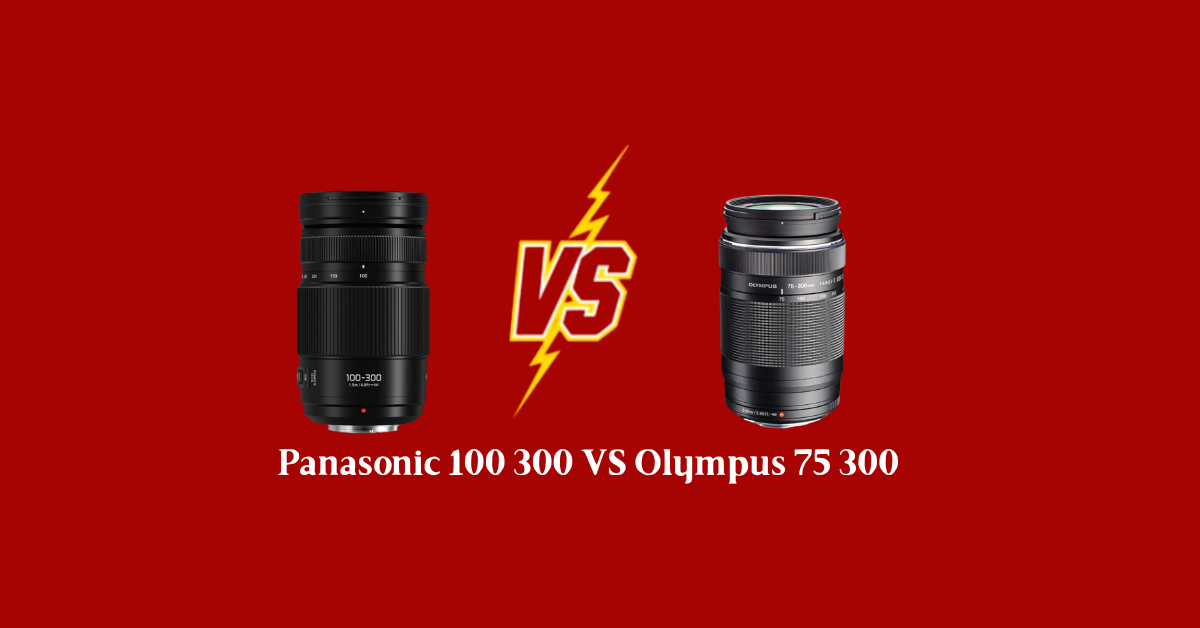
Panasonic 100-300 vs Olympus 75-300: A Battle of Telephoto Zooms
Photography enthusiasts often face a tough decision between the Panasonic Lumix G Vario 100-300mm and the Olympus M.Zuiko 75-300mm, two of the most popular telephoto zoom lenses in the Micro Four Thirds lineup.
Both lenses promise excellent reach for wildlife, sports, and distant subjects, but their strengths appeal to different types of photographers. Panasonic delivers a longer zoom range with optical image stabilization that supports handheld shooting, while Olympus offers a lighter build and slightly more compact design.
Each lens strikes a unique balance between portability, sharpness, and overall performance, making the decision less about which is “better” and more about which fits a specific style of photography.
Exploring the differences in build quality, focal range, image stabilization, and price helps uncover which lens offers the most value. For anyone chasing distant subjects, these lenses open up a world of creative possibilities without breaking the bank.
Panasonic 100-300 vs Olympus 75-300: A Detailed Lens Comparison
Telephoto zoom lenses give photographers the power to capture distant subjects with clarity. Wildlife, sports, or travel photography often need this extra reach. Two of the most popular Micro Four Thirds options are the Panasonic Lumix 100-300mm f/4.0-5.6 II and the Olympus M.Zuiko 75-300mm f/4.8-6.7.
Both are designed for compact mirrorless systems and both promise strong performance. Yet, they differ in build, features, and image quality. Let’s break down each lens, explore what they offer, and compare them side by side.
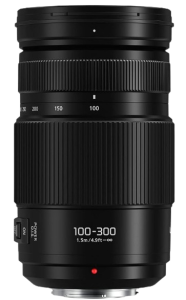
Panasonic Lumix G II 100-300mm
About This Tool
The Panasonic 100-300mm is a long telephoto zoom lens built for Micro Four Thirds cameras. With a full-frame equivalent of 200–600mm, it delivers reach for wildlife and outdoor subjects. This updated version features weather sealing and better autofocus response, making it more durable and reliable in outdoor use.
Features
-
Focal length: 100–300mm (200–600mm equivalent).
-
Aperture: f/4.0–5.6.
-
Optical Image Stabilization (Power O.I.S.) with Dual I.S. 2 support.
-
Weather-sealed: Splashproof and dustproof design.
-
Autofocus: 240 fps linear motor for faster tracking.
-
Closest focusing distance: 1.5 meters.
-
Diagonal angle of view: 12° at wide, 4.1° at tele.
-
Compact design compared to DSLR telephoto lenses.
What We Like
-
Long reach at 600mm equivalent.
-
Weather sealing makes it useful in outdoor conditions.
-
Compatible with Panasonic’s Dual I.S. for stable handheld shots.
-
Autofocus is smooth and quick, even with moving subjects.
-
Strong balance of portability and zoom power.
What We Didn’t Like
-
Heavier than the Olympus alternative.
-
Aperture narrows quickly at the long end.
-
Close focusing distance is limited compared to rivals.
-
Price is higher than the Olympus 75-300mm.
My Opinion
The Panasonic 100-300mm II is a versatile lens for those who want long reach and durability. It feels more rugged, and the built-in stabilization pairs nicely with Panasonic bodies. For birding or distant wildlife in tough environments, this lens stands out.
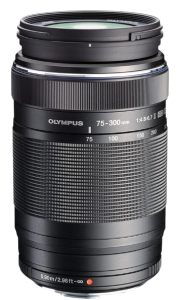
Olympus M.Zuiko 75-300mm
Product Details
The Olympus 75-300mm is a compact and lightweight telephoto lens. It covers a full-frame equivalent range of 150–600mm, ideal for travel and outdoor use. Despite its long reach, it remains very portable, which makes it easy to carry during long walks or trips.
Features
-
Focal length: 75–300mm (150–600mm equivalent).
-
Aperture: f/4.8–6.7.
-
MSC autofocus system: Fast and silent focusing.
-
Closest focusing distance: 0.9m at 75mm, 1.5m at longer zooms.
-
Lens construction: 18 elements in 13 groups, including ED and HR elements.
-
Lightweight design: only 14.9 ounces.
-
Compact size: about 4.6 inches long.
What We Like
-
Extremely light and compact for the zoom range.
-
Affordable compared to Panasonic 100-300mm.
-
Autofocus is quiet, suitable for both stills and video.
-
Image quality holds up well across the zoom range.
-
Good sharpness in outdoor daylight shooting.
What We Didn’t Like
-
Aperture is smaller, especially at 300mm.
-
No weather sealing, not ideal for harsh conditions.
-
Relies heavily on in-body stabilization since no O.I.S. is built in.
-
Less effective for handheld low-light shooting.
My Opinion
The Olympus 75-300mm is a lens that balances reach with portability. Its lightweight body makes it perfect for travelers or casual wildlife photographers. While it does not include stabilization or weather sealing, its low weight and cost make it very attractive for those who want reach without bulk.
Panasonic 100-300 vs Olympus 75-300: Detailed Comparison
Both lenses reach 600mm equivalent, making them excellent for distant subjects. The Panasonic 100-300mm II offers more durability with splash and dustproof design, along with built-in Power O.I.S. stabilization. This makes it better for outdoor use and handheld shooting. On the other hand, the Olympus 75-300mm shines in portability. It is smaller, lighter, and easier to carry, though it sacrifices weather sealing and stabilization.
The Panasonic lens is better suited for wildlife or bird photographers who often work in rough environments. The Olympus lens is a better travel companion, especially for those who want a lightweight setup and shoot mostly in fair weather.
FAQs
Q1: Which lens is lighter, Panasonic 100-300 or Olympus 75-300?
The Olympus 75-300 is much lighter, weighing about 14.9 ounces compared to the Panasonic’s larger build.
Q2: Do both lenses reach 600mm equivalent?
Yes. The Panasonic 100-300mm and Olympus 75-300mm both reach 600mm in 35mm equivalent terms.
Q3: Does the Panasonic 100-300 have stabilization?
Yes. It includes Power O.I.S. and works with Panasonic’s Dual I.S. system for better handheld stability.
Q4: Which lens is better for travel?
The Olympus 75-300 is better for travel because it is smaller and lighter.
Q5: Which lens is better for wildlife photography?
The Panasonic 100-300 is better for wildlife due to its weather sealing and built-in stabilization.
Conclusion
Both the Panasonic 100-300mm and the Olympus 75-300mm offer long telephoto reach in compact designs. The Panasonic model focuses on stability and ruggedness, making it stronger for outdoor or wildlife shooters. The Olympus version emphasizes lightness and affordability, making it easier to pack for travel.
For rough outdoor conditions and moving subjects, the Panasonic lens is the clear winner. For lightweight travel and budget-friendly telephoto needs, the Olympus lens fits better. Both are strong options, and the right choice depends on where and how you plan to shoot.