
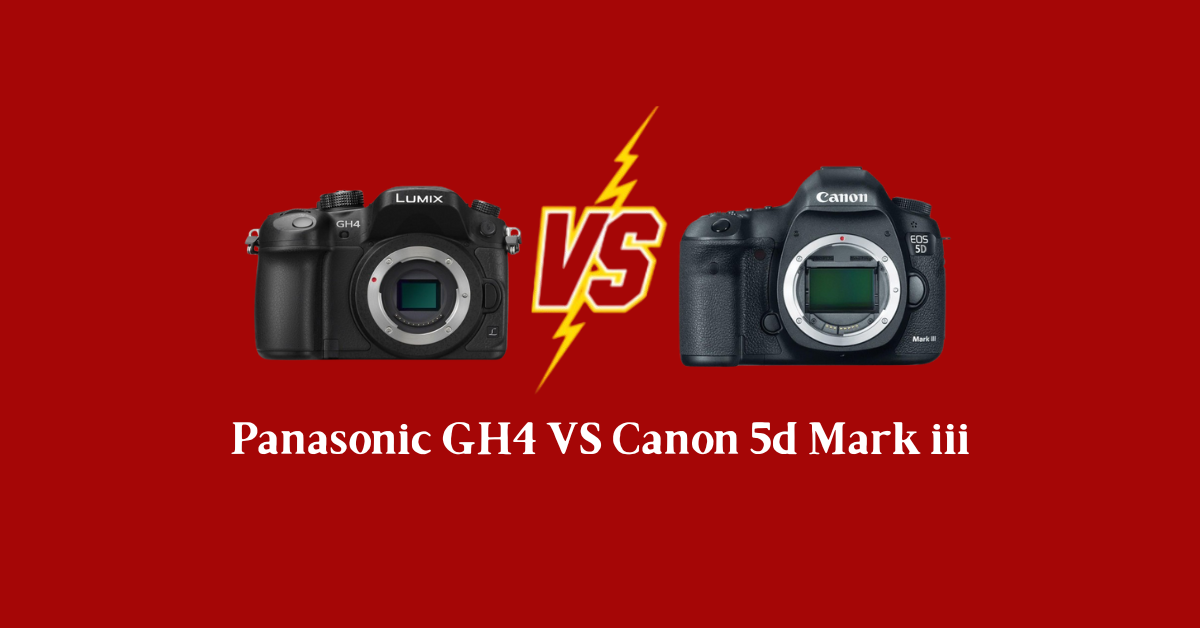
Panasonic GH4 vs Canon 5D Mark III: Old-School Power or Modern Precision?
Panasonic’s GH4 and Canon’s 5D Mark III represent two distinct eras in camera design. The GH4 marked a bold move toward mirrorless versatility, delivering 4K video, fast performance, and a compact form that fits the needs of modern creators.
The 5D Mark III stands as a DSLR legend, known for its strong full-frame sensor, rich color science, and durable build that professionals trust. Each camera brings a unique set of strengths, shaping how photographers and videographers approach their craft.
The GH4 excels in speed, portability, and video flexibility, while the 5D Mark III dominates with image depth, low-light control, and classic handling. Both models still hold their ground despite newer releases, proving that great tools never lose relevance.
Comparing their performance and usability highlights two distinct creative paths—one defined by innovation, the other by timeless photographic power.
Panasonic GH4 vs Canon 5D Mark III: Which Camera Fits Your Style Better?
The Panasonic GH4 and Canon 5D Mark III are two iconic cameras that helped shape the world of photography and filmmaking. Both have earned strong reputations among professionals and enthusiasts alike. One focuses on versatility and compact design, while the other leans on classic full-frame power. This comparison will break down their features, strengths, and weaknesses. By the end, you’ll know which one fits your creative style best.
Panasonic LUMIX GH4

About This Tool
The Panasonic LUMIX GH4 is a professional mirrorless camera that blends photo and video excellence in one compact body. It’s designed for creators who demand strong 4K performance, fast autofocus, and solid build quality.
This camera uses a Micro Four Thirds sensor, which makes it lighter and easier to handle compared to bulky DSLRs. Despite its smaller size, the GH4 packs a punch for both photography and cinematography.
Features
-
16.05 Megapixel Digital Live MOS Sensor – Captures sharp, detailed images with low noise.
-
4K Video Recording – Shoots in both UHD 4K (3840×2160) and Cinema 4K (4096×2160) formats.
-
49-Point Autofocus System – Delivers quick and accurate focusing in both photo and video modes.
-
Magnesium Alloy Body – Durable and weather-sealed for outdoor and professional use.
-
3-Inch OLED Touch Screen – Fully articulating display that helps with flexible shooting angles.
-
Wi-Fi with NFC – Enables easy sharing and remote control through compatible devices.
-
12 fps Burst Mode – Perfect for action photography or capturing fast-moving subjects.
-
Venus Engine IX Processor – Ensures smooth operation and fast image processing.
What We Like
-
Shoots professional-quality 4K video.
-
Lightweight and portable design.
-
Excellent autofocus speed and accuracy.
-
Reliable in tough weather conditions.
-
Fully rotating screen ideal for vlogging or filming.
-
Long battery life for mirrorless standards.
What We Didn’t Like
-
Lacks in-body image stabilization.
-
Smaller sensor than full-frame rivals.
-
Low-light performance could be better.
-
Menus can be complex for new users.
My Opinion
The GH4 stands out as a hybrid tool for both photographers and filmmakers. It’s compact, rugged, and delivers strong performance for its size. The 4K recording quality and customizable controls make it an appealing choice for content creators who shoot both stills and video. For travel, documentary, or YouTube work, this camera remains a strong contender even today.
Canon EOS 5D Mark III

About This Tool
The Canon 5D Mark III is a full-frame DSLR built for serious photographers and filmmakers. Known for its outstanding image quality, solid build, and reliable performance, it quickly became a favorite among wedding and studio professionals.
Its larger sensor allows for beautiful depth, clean low-light shots, and smoother tonal transitions. The Mark III continues the 5D legacy with major upgrades in autofocus and video performance.
Features
-
22.3 Megapixel Full-Frame CMOS Sensor – Produces rich, detailed images with wide dynamic range.
-
DIGIC 5+ Processor – Delivers faster image processing and reduced noise.
-
61-Point Autofocus System – Tracks subjects precisely, even in complex scenes.
-
ISO Range 100–25600 (Expandable to 102400) – Handles bright daylight and dim lighting with ease.
-
1080p Full HD Video Recording – Includes manual controls and multiple frame rates.
-
HDR and Multiple Exposure Modes – Enhances creativity directly in-camera.
-
Dual Memory Card Slots – Supports Compact Flash and SD cards for reliable storage.
-
Magnesium Alloy Body – Offers durability and weather resistance for professional use.
What We Like
-
Superb image quality with full-frame depth.
-
Strong performance in low light.
-
Accurate and fast autofocus system.
-
Excellent color tone and skin reproduction.
-
Rugged and professional build.
-
Clear optical viewfinder with 100% coverage.
What We Didn’t Like
-
Heavy compared to modern mirrorless cameras.
-
No 4K video support.
-
Limited screen flexibility (fixed LCD).
-
Shorter battery life during video use.
My Opinion
The Canon 5D Mark III is a powerhouse for still photography. Its color science, full-frame sensor, and autofocus precision make it ideal for portraits, weddings, and studio work. It also performs well in low-light conditions, giving images a natural and rich tone.
For serious photographers who value depth and texture over portability, the 5D Mark III remains a strong and trusted camera.
Detailed Comparison Of Panasonic GH4 vs Canon 5D Mark III
The Panasonic GH4 and Canon 5D Mark III serve different audiences, though they share professional-grade performance. The GH4 shines in video production. Its 4K recording capability, lightweight build, and articulating screen make it perfect for vloggers, filmmakers, and hybrid creators.
It’s smaller but still rugged, with a magnesium alloy body that can handle tough environments. The Canon 5D Mark III leans toward traditional photography. Its full-frame sensor produces smoother bokeh, better depth, and stronger low-light results.
The autofocus system with 61 points makes it ideal for fast-moving subjects like weddings, sports, or wildlife. The GH4 offers faster burst shooting at 12 fps, while the 5D Mark III captures at 6 fps.
For still shooters, the Canon’s full-frame advantage provides better dynamic range. For video shooters, the GH4’s 4K capability and lighter body win the race. Both have professional build quality, but the GH4 feels more modern with its touchscreen and Wi-Fi connectivity.
The Canon’s lack of 4K and heavier design make it less travel-friendly, though it still delivers stunning photos. In short, the GH4 fits creators who value video flexibility and portability, while the 5D Mark III suits photographers who prioritize image depth and detail.
FAQs
1. Which camera offers better image quality?
The Canon 5D Mark III provides better image quality due to its full-frame sensor. It captures more detail, smoother gradients, and performs better in low light.
2. Which one is better for video shooting?
The Panasonic GH4 is better for video work. It records in true 4K resolution with advanced manual controls, making it great for filmmaking.
3. Does the GH4 have image stabilization?
No, the GH4 does not have in-body image stabilization. You need lenses with built-in stabilization for steady shots.
4. Can the Canon 5D Mark III shoot 4K video?
No, it records in Full HD (1080p) only.
5. Which is more beginner-friendly?
The GH4 is easier for beginners due to its touch screen, lighter body, and flexible menu system.
6. Which camera is better for travel photography?
The Panasonic GH4 is better for travel because it’s smaller, lighter, and easier to carry for long hours.
Conclusion
The Panasonic GH4 and Canon 5D Mark III represent two paths in professional photography. One embraces mirrorless innovation, while the other stands firm with DSLR reliability.
The GH4 suits filmmakers and content creators who need 4K, portability, and flexibility. The 5D Mark III fits photographers who seek the depth and quality of full-frame imagery.
Each has its strengths, and the right choice depends on what you value most — mobility and 4K video power, or traditional image excellence with full-frame charm. Both still hold their ground as dependable tools for serious creators.


