Sony RX10 III vs Panasonic FZ2500: Which Superzoom Camera Wins?
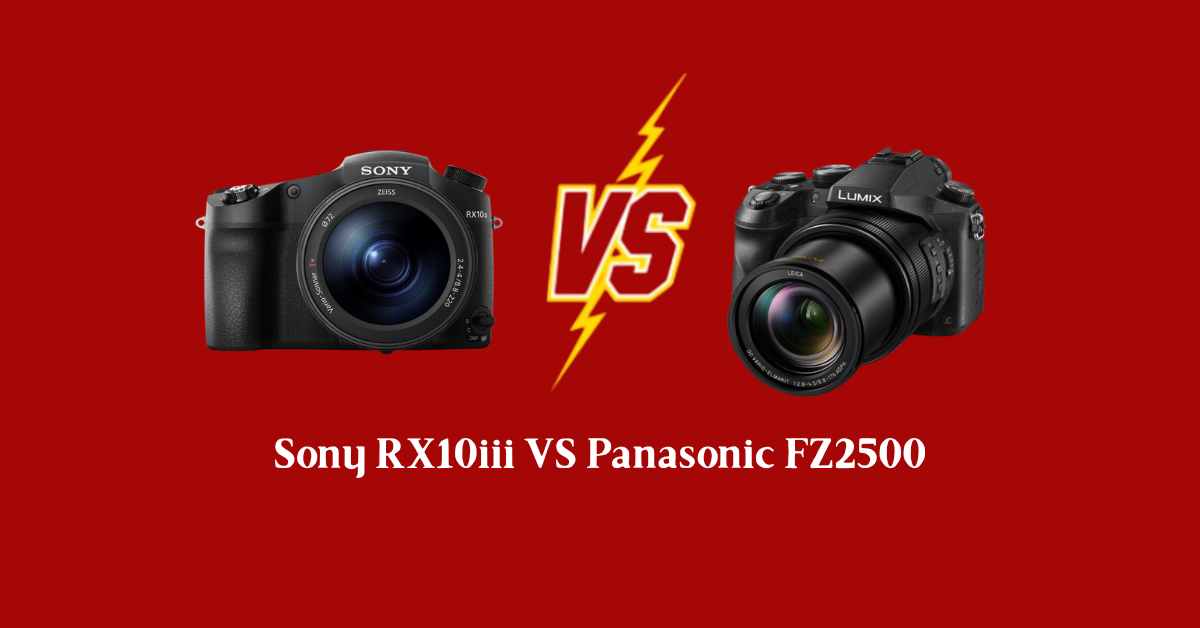
Sony RX10 III vs Panasonic FZ2500: Which Camera Rules?
Two bridge cameras stand tall among advanced all-in-one shooters — the Sony RX10 III and the Panasonic Lumix FZ2500. Both come packed with large one-inch sensors, long zoom lenses, and impressive 4K video abilities. They aim to replace bulky DSLR setups with a single camera that does it all — landscapes, portraits, wildlife, and even professional-grade video.
Yet they take different paths. The RX10 III is a zoom powerhouse built for reach and speed, while the FZ2500 leans toward cinematic video control and creative versatility. Both cost around the same range, both promise pro-level performance, but their strengths fit different users.
This comparison explores every detail — design, lens range, image quality, video performance, usability, and more — to help you decide which bridge camera truly fits your creative style.
Sony RX10 III
About This Tool
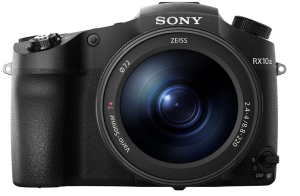
The Sony RX10 III is a premium bridge camera aimed at serious photographers who want high zoom power in a compact body. It uses a 20.1-megapixel one-inch Exmor RS CMOS sensor and a bright 24–600mm ZEISS Vario-Sonnar T* lens. That means you can shoot wide landscapes and tight telephoto wildlife without changing lenses.
Its solid magnesium-alloy body, weather-resistant design, and advanced image processor (BIONZ X) make it dependable in almost any shooting condition. From fast sports to smooth 4K footage, the RX10 III delivers DSLR-like quality in a single fixed-lens package.
Features
-
Lens and Zoom:
24–600mm ZEISS Vario-Sonnar T* lens with f/2.4–4 aperture. Excellent reach and brightness for varied lighting. -
Sensor:
1-inch, 20.1MP stacked CMOS sensor with DRAM chip for faster processing and reduced rolling shutter. -
Autofocus & Speed:
Fast Intelligent AF system locks in as quick as 0.09 seconds. Supports 14fps burst shooting with full resolution. -
Video:
Shoots 4K (UHD) video with full pixel readout and no pixel binning. Records high-speed slow motion up to 960fps for creative effects. -
Viewfinder & Screen:
Bright 2.35M-dot OLED electronic viewfinder and a tilting 3-inch LCD. -
Connectivity:
Built-in Wi-Fi and NFC for quick sharing and remote control via smartphone. -
Build & Handling:
Dust- and moisture-resistant magnesium alloy body with three dedicated rings for focus, zoom, and aperture — perfect for manual control.
What We Like
-
Superb 25x optical zoom — among the longest in its class.
-
Excellent sharpness from the ZEISS lens.
-
Fast autofocus and high burst rate for sports and wildlife.
-
Slow-motion capture up to 960fps looks cinematic.
-
Bright, large viewfinder for comfortable composition.
-
Sturdy and professional build.
-
Beautiful color and detail straight out of camera.
What We Didn’t Like
-
Heavier than most bridge cameras (around 1.1kg).
-
Limited touchscreen functionality.
-
No log video profiles for advanced grading.
-
Rolling shutter visible in some fast 4K scenes.
-
Battery drains quickly during 4K recording.
My Opinion
The Sony RX10 III is a beast for photographers who want reach and quality without carrying multiple lenses. Its zoom range from 24mm to 600mm covers everything — portraits, landscapes, sports, and distant wildlife. The sharp ZEISS optics and quick autofocus make it reliable in almost any shooting situation.
For video, it’s sharp, colorful, and detailed. The 4K output looks great, and the slow-motion feature adds fun creative options. Yet, its video controls feel limited compared to Panasonic’s more professional setup.
So, this camera shines for travelers, nature photographers, and hybrid shooters who prefer simplicity with reach. It’s not a full pro video camera, but it’s excellent for high-quality clips and photography in one tough package.
Panasonic Lumix FZ2500
Product Details
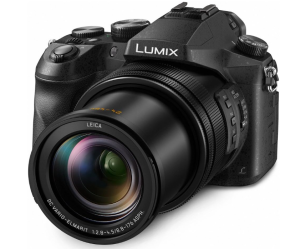
The Panasonic Lumix FZ2500 is a hybrid bridge camera built for creators who shoot both photos and professional video. It uses a 20.1-megapixel 1-inch sensor paired with a LEICA DC Vario-Elmarit 24–480mm f/2.8–4.5 lens.
While its zoom doesn’t reach as far as the Sony, it adds advanced video functions that filmmakers love — internal ND filters, unlimited 4K recording, time code, and optional V-Log L. It’s like a compact cinema camera disguised as a still camera — perfect for those who want total control over exposure, color, and focus during video shoots.
Features
-
Lens and Zoom:
24–480mm equivalent focal range with a bright constant aperture (f/2.8–4.5). Designed by LEICA, known for color accuracy and sharpness. -
Sensor:
1-inch 20.1MP High Sensitivity CMOS sensor that captures clean detail in low light. -
Video Capabilities:
Shoots 4K UHD (2160p) at multiple frame rates with 10-bit 4:2:2 HDMI output. Includes Cinelike D/V profiles, V-Log L support, and built-in ND filters for smooth exposure control. -
Image Stabilization:
5-axis hybrid optical + digital stabilization system keeps handheld shots steady. -
Controls:
Full manual control dials, custom function buttons, and smooth zoom control for video transitions. -
Display & Viewfinder:
3-inch fully articulated LCD and 2.36M-dot OLED viewfinder. -
Connectivity:
Micro HDMI, microphone and headphone jacks, and Wi-Fi for remote control and sharing.
What We Like
-
Rich video options — 4K 10-bit, timecode, ND filters, V-Log L upgrade.
-
Smooth zoom and focus control for professional filmmaking.
-
Excellent color science from the LEICA lens.
-
Great image stabilization system.
-
Fully articulated touchscreen LCD.
-
Clean audio monitoring with headphone jack.
-
Long continuous recording — no time limit.
What We Didn’t Like
-
Slightly shorter zoom range than Sony (20x vs 25x).
-
Bulkier than most compact cameras.
-
Autofocus slower than Sony in fast subjects.
-
Video menu can feel complex for beginners.
-
Shorter battery life for long shoots.
My Opinion
The FZ2500 feels built for creators who prioritize video storytelling. Its image quality is lovely — crisp details, smooth tones, and excellent color balance. But what stands out is its deep video control. The built-in ND filter, manual exposure tools, and log gamma options give it an edge for filmmaking.
For photographers, it’s still very capable. The 20MP sensor delivers clean JPEGs and flexible RAW files. The LEICA lens adds character, and its color output feels natural and cinematic.
It’s ideal for YouTubers, filmmakers, and hybrid content creators who want DSLR-like video tools without the hassle of switching lenses or using external gear.
Detailed Comparison Of Sony RX10 III VS Panasonic FZ2500
Both the Sony RX10 III and the Panasonic FZ2500 sit in the same premium bridge camera category, yet their focus differs.
Image Quality:
Both use a 1-inch 20MP sensor, delivering sharp, clean photos with good dynamic range. The Sony leans toward deeper contrast and punchy color, while the Panasonic produces a more neutral, cinematic tone. The RX10 III’s ZEISS lens gives excellent corner-to-corner clarity, while the FZ2500’s LEICA lens offers soft, pleasing bokeh.
Zoom Power:
Sony wins here — its 24–600mm lens reaches further than Panasonic’s 24–480mm. That extra 120mm matters for wildlife or sports. If you often shoot distant subjects, the RX10 III is the better pick.
Autofocus & Speed:
The RX10 III locks onto subjects faster, especially in burst mode (14fps vs 12fps). Panasonic’s autofocus feels slower in stills but more accurate during video tracking.
Video Performance:
This is where Panasonic takes the crown. The FZ2500 supports unlimited 4K recording, professional gamma profiles, ND filters, and 10-bit HDMI output — features found in higher-end cinema cameras. The RX10 III’s 4K looks sharp, but it lacks advanced profiles and has a recording limit. Its high-speed slow motion is fun, but not as flexible for pro editing.
Stabilization:
Both cameras perform well in handheld shots, but Panasonic’s 5-axis hybrid system handles walking and handheld panning better.
Ergonomics & Handling:
The RX10 III feels denser, with dedicated rings that mimic a DSLR experience. The FZ2500, though larger, offers more buttons and a fully articulating touchscreen, making it friendlier for vlogging and video work.
Battery Life:
Sony lasts a bit longer for stills; Panasonic drains quicker when recording long 4K clips.
Price & Value:
Both retail around the same range (roughly $800–$900), but the value depends on use. The RX10 III gives more reach for photographers, while the FZ2500 provides more creative flexibility for filmmakers.
FAQs
1. Which camera is better for video?
The Panasonic FZ2500 clearly leads in video. It offers unlimited 4K recording, V-Log L, ND filters, and better color control.
2. Which camera has better zoom?
The Sony RX10 III. Its 25x optical zoom (24–600mm) easily outperforms Panasonic’s 20x range.
3. Do both cameras shoot RAW photos?
Yes, both cameras can shoot in RAW and JPEG formats.
4. Can I use external microphones?
Yes. Both have mic inputs, but Panasonic also includes a headphone jack for real-time audio monitoring.
5. Which is better for beginners?
The Sony RX10 III is simpler to use out of the box. The Panasonic FZ2500 has deeper menus and more professional video tools that might overwhelm casual users.
6. Which camera performs better in low light?
Both are similar thanks to their 1-inch sensors. The RX10 III’s f/2.4 aperture at wide angles gives it a small advantage.
7. Which camera is lighter?
The Panasonic FZ2500 is slightly lighter at 915g, while the Sony RX10 III weighs around 1095g.
Conclusion
The Sony RX10 III and Panasonic FZ2500 both represent the top tier of bridge cameras, each tailored to a different creative need.
The Sony RX10 III shines as a powerful stills camera with incredible zoom, fast autofocus, and excellent build quality. It’s the better travel companion for photographers who want reach and reliability in one body.
The Panasonic FZ2500 dominates the videography scene. Its 4K flexibility, ND filters, log profiles, and pro-level control make it ideal for content creators and filmmakers who value cinematic control over reach.
So, if your passion lies in capturing still moments with detail and simplicity, go with the Sony RX10 III.
If your world revolves around video, storytelling, and creative control, the Panasonic FZ2500 is the smarter choice.
Both cameras deliver serious power in a compact form — proof that bridge cameras still hold strong in the era of mirrorless giants.