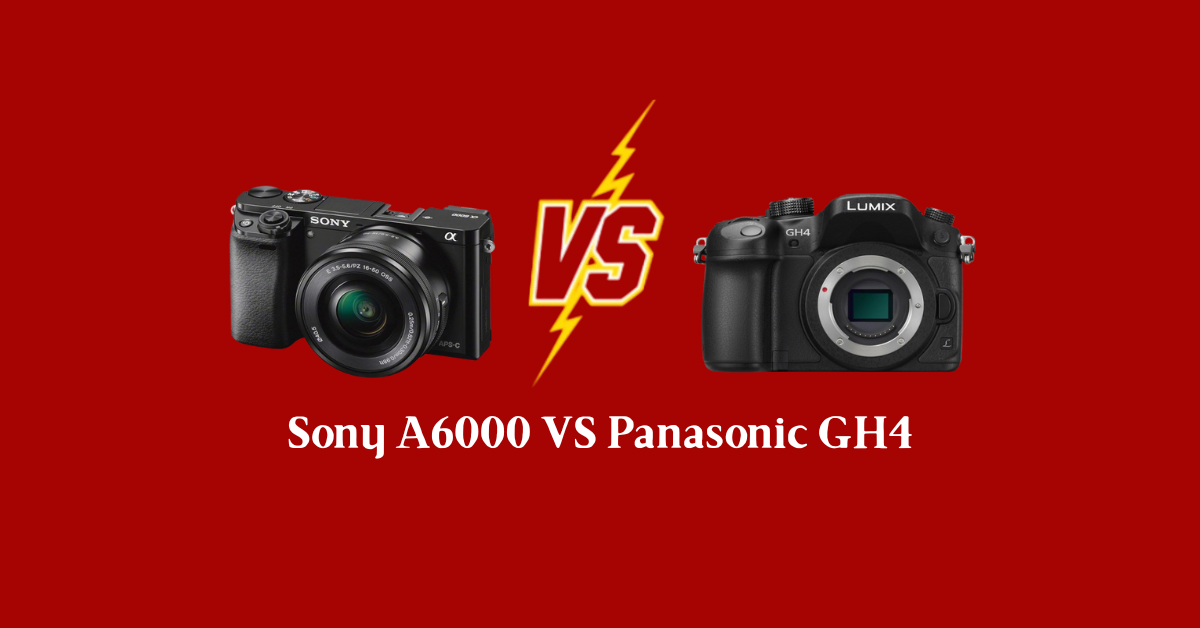
Sony A6000 vs Panasonic GH4: Compact Powerhouses Face Off
Sony and Panasonic both built strong reputations with cameras that deliver serious performance in small bodies. The Sony A6000 gained fame for its fast autofocus, crisp image quality, and lightweight design that fits perfectly for everyday shooting.
The Panasonic GH4 took a different path, focusing on professional-grade video features and solid build quality that appeals to filmmakers and hybrid creators. Each camera targets a unique audience, yet both share a mission to blend portability with impressive results.
The A6000 stands out in still photography with its sharp detail and responsive shooting speed, while the GH4 dominates the video arena with 4K recording and extensive control options.
Build quality, usability, and creative flexibility play a huge role in how these two cameras perform in real-world use. Exploring their differences reveals which model delivers the right balance of photo and video performance for your creative needs.
Sony A6000 vs Panasonic GH4: Which Mirrorless Camera Still Shines Today?
Photography lovers often debate between the Sony A6000 and Panasonic GH4. Both mirrorless cameras came out years ago, yet they remain popular among budget-conscious creators.
One focuses on fast autofocus and sharp still images, while the other delivers pro-level video performance. Each offers a mix of features that appeal to different needs. Let’s explore what makes these two cameras stand out and find out which one fits your creative style best.
Sony Alpha A6000
About This Tool
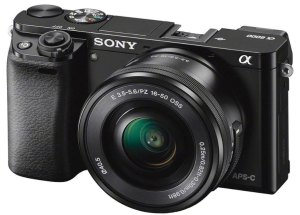
The Sony Alpha A6000 is a compact mirrorless camera designed for everyday shooting. It combines speed, detail, and versatility in a small body. The 24.3MP APS-C sensor captures clear, bright images with accurate colors. Its hybrid autofocus system is known for speed and precision. For travelers, vloggers, and hobby photographers, it’s a reliable choice that balances performance with portability.
Features
The Sony A6000 uses a 24.3-megapixel APS-C CMOS sensor paired with the BIONZ X image processor. This combo produces high-quality photos with rich tones and low noise, even in dim light.
It supports continuous shooting at 11 frames per second, making it easy to capture moving subjects. The 179 phase-detection and 25 contrast-detection points ensure accurate autofocus in nearly any situation.
The camera includes a 3-inch tilting LCD screen and a 0.39-inch electronic viewfinder for flexible shooting angles. Users can record Full HD 1080p videos at 24 or 60 frames per second.
It doesn’t shoot 4K, but the footage remains smooth and detailed. For control, it features dual dials and a responsive menu system. Built-in Wi-Fi lets users transfer photos to a phone or control the camera remotely.
What We Like
-
Excellent autofocus speed — still among the fastest in its class.
-
Compact and lightweight design for travel and street photography.
-
Sharp images with great color and contrast.
-
Continuous shooting at 11 fps handles moving subjects well.
-
Wi-Fi and NFC for quick sharing and remote operation.
-
Customizable controls make it easier to shoot in manual modes.
What We Didn’t Like
-
No 4K video support — limited to Full HD.
-
No image stabilization, so handheld shots may blur in low light.
-
Menu system feels complex for beginners.
-
Short battery life compared to newer mirrorless cameras.
-
No touchscreen, which slows down quick settings adjustments.
My Opinion
The Sony A6000 remains a strong camera for photography even today. Its autofocus system is fast, and the image quality easily competes with more recent entry-level models. For travel, family photos, or casual portraits, it performs beautifully.
Still, it’s not ideal for professional video shooters or low-light handheld use. It focuses more on speed and still image quality than advanced video features. If your main goal is to capture sharp, clean photos in different situations, the A6000 delivers excellent value.
Panasonic Lumix GH4
Product Details
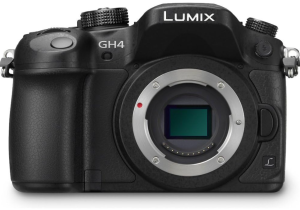
The Panasonic Lumix GH4 targets creators who need both high-quality photos and professional video tools. It’s built with a solid magnesium alloy body that feels strong and reliable. Inside, it features a 16.05MP Micro Four Thirds sensor and the Venus Engine IX processor.
This combination allows both DCI 4K (4096×2160) and UHD 4K (3840×2160) recording — a huge advantage for filmmakers. Its fast 49-point autofocus system makes it a versatile hybrid camera suitable for both video and photography.
Features
The GH4 supports 4K video recording at 24p or 30p and Full HD at higher frame rates. It offers several file formats, including AVCHD and MP4, for flexible editing options.
The body includes weather sealing to protect it from dust and moisture. The articulating 3-inch OLED touchscreen helps in shooting from low or high angles.
Its 49-area autofocus system works efficiently for both stills and video, and manual focus assist gives precise control.
You’ll find many advanced options like focus peaking, zebra patterns, and timecode output — features professionals value for video work. The GH4 also includes Wi-Fi with NFC for easy image transfer.
What We Like
-
4K video recording with strong detail and color.
-
Durable magnesium alloy body built for long use.
-
Articulating touchscreen makes it easy to compose shots.
-
High-speed autofocus in both still and video modes.
-
Professional video tools like timecode, focus peaking, and zebra display.
-
Weather-sealed design suitable for outdoor shooting.
-
Long battery life compared to similar mirrorless cameras.
What We Didn’t Like
-
Smaller Micro Four Thirds sensor gives less depth of field than APS-C.
-
Low-light performance isn’t as strong as larger-sensor cameras.
-
Menu system can feel overwhelming at first.
-
No in-body stabilization — tripod or lens stabilization is needed.
-
The camera is heavier and bulkier than compact mirrorless models.
My Opinion
The Panasonic GH4 is a solid camera for serious video creators and hybrid shooters. Its 4K quality, durable build, and flexible controls make it stand out.
While it’s older, it still provides professional-level video options that many budget cameras lack. For photographers focused mainly on stills, it may feel complex. But for videographers who also shoot photos, the GH4 remains a reliable tool.
Detailed Comparison: Sony A6000 vs Panasonic GH4
The Sony A6000 and Panasonic GH4 serve different creative needs. The A6000 focuses on photography, while the GH4 aims at video production. Both deliver great image quality, but the experience they offer is quite different.
The A6000 uses a larger APS-C sensor, producing better dynamic range and shallower depth of field. This makes portraits and low-light shots look more natural. The GH4’s Micro Four Thirds sensor captures less light, but its smaller size helps keep the camera stable and quick during video recording.
For video, the GH4 clearly wins. It records 4K footage with strong detail and professional features, while the A6000 limits you to Full HD. The GH4 also includes microphone and headphone ports, which the A6000 lacks, making it better for controlled audio setups.
Autofocus performance is a strong point for both. The A6000’s 179 phase-detection points make it faster for action and moving subjects. The GH4’s contrast-based system is slower in stills but performs well in continuous video focus.
Build quality also differs. The GH4’s magnesium alloy frame feels professional and rugged, ready for outdoor work. The A6000 is lighter and smaller, which makes it easier to carry all day. Battery life goes to the GH4, lasting longer during long video or photo sessions.
In short:
-
For photography, the Sony A6000 gives better image depth, sharpness, and portability.
-
For video work, the Panasonic GH4 offers 4K power, better controls, and more customization.
FAQs
1. Which camera has better photo quality?
The Sony A6000 takes the lead in photo quality due to its larger APS-C sensor. It captures more light and detail, especially in portraits and low-light scenes.
2. Does the Panasonic GH4 have better video features?
Yes. The GH4 records true 4K video and includes pro-level tools like focus peaking, zebra stripes, and timecode, which are missing in the A6000.
3. Can both cameras shoot fast-moving subjects?
Both handle motion well. The A6000’s 11 fps burst rate is ideal for sports or action, while the GH4’s autofocus speed works well for continuous video.
4. Which is easier for beginners?
The Sony A6000 is simpler to learn and lighter to handle. The GH4 is better for users with some experience who want advanced video settings.
5. Do these cameras have image stabilization?
No. Neither has in-body stabilization, so it’s best to use lenses with built-in optical stabilization or a tripod.
6. Can they connect to smartphones?
Yes. Both offer Wi-Fi and NFC for transferring photos or using a phone as a remote control.
7. Which camera lasts longer on one battery?
The Panasonic GH4 offers better battery life, lasting roughly 500 shots per charge compared to the A6000’s 360.
Conclusion
Both the Sony A6000 and Panasonic GH4 remain strong choices for their age.The A6000 is the better option for those who prioritize sharp still images, travel-friendly design, and fast autofocus. The GH4 suits creators focused on filmmaking or hybrid shooting who want professional 4K options and a durable body.
Choosing between them depends on your goal.
For photography — Sony A6000.
For video — Panasonic GH4.
Both stand as proof that great performance doesn’t always require a brand-new camera.