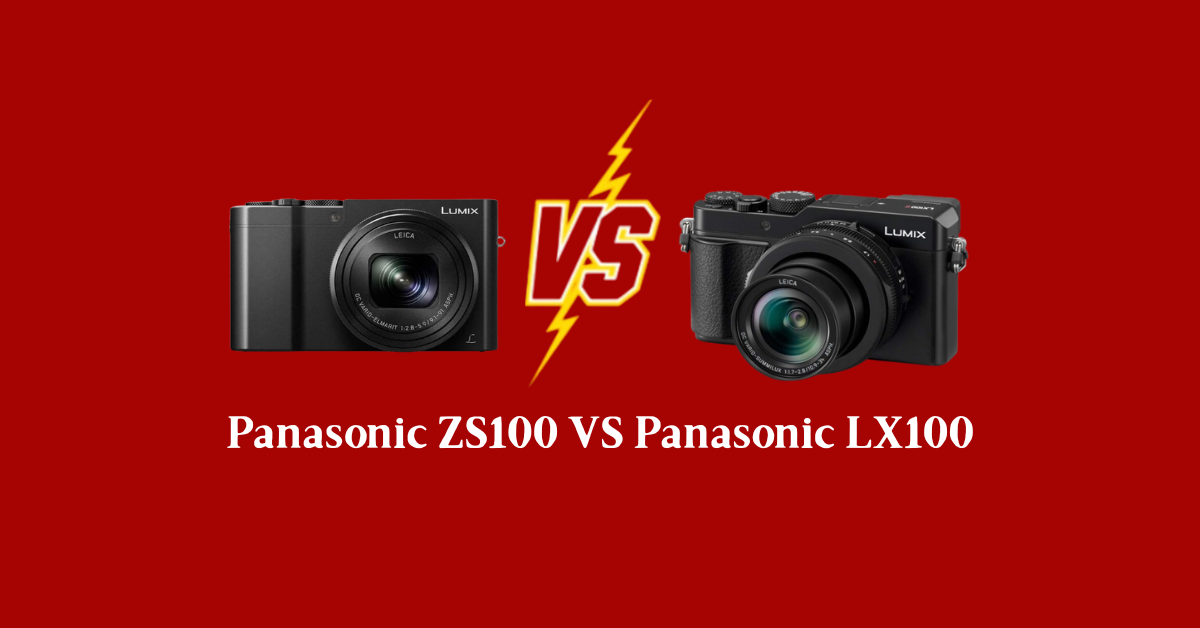
Panasonic ZS100 vs LX100: Which Compact Camera Wins?
Panasonic built two compact powerhouses that cater to photographers who want image quality without bulk. The ZS100 focuses on versatility with its 10x zoom lens and 1-inch sensor, making it ideal for travelers who like to shoot everything from wide landscapes to distant subjects.
The Panasonic LX100 offers a larger Micro Four Thirds sensor and a bright Leica lens that captures stunning detail and rich tones, especially in low light. Both cameras deliver sharp 4K video, fast autofocus, and manual controls packed into sleek designs.
The Panasonic ZS100 shines in flexibility and portability, while the LX100 delivers superior depth and artistic control. Each model targets a different type of creator, and their unique strengths reveal what truly matters to your shooting style. Exploring their differences shows which one deserves a spot in your camera bag for everyday photography or travel adventures.
Panasonic ZS100 vs LX100: Which Compact Camera is Worth It?
Capturing the perfect moment depends on more than just timing—it depends on the right camera. Panasonic’s ZS100 and LX100 both pack serious photo power into compact bodies, appealing to travelers, hobbyists, and photography lovers alike. Both deliver sharp 4K images, solid build quality, and Leica lenses that enhance image clarity.
But under the surface, they’re very different in how they handle light, zoom range, and control.This detailed comparison breaks down everything you need to know about the Panasonic ZS100 vs LX100. From features and design to real-world performance, this guide helps you understand which model better suits your style.
Panasonic LUMIX ZS100
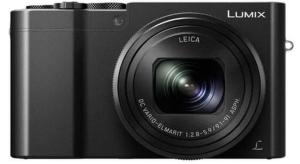
About This Tool
The Panasonic Lumix ZS100 is a pocket-sized powerhouse. It combines a 1-inch 20.1-megapixel sensor with a 10x Leica zoom lens. This camera targets users who want the control and quality of a DSLR without the bulk. Ideal for travel, street, and casual photography, it brings bright and clear photos in almost any light.
Features
-
20.1MP 1-inch MOS sensor delivers sharp images with rich color and low noise.
-
10x Leica DC Vario-Elmarit lens (25–250mm) covers wide to telephoto shots easily.
-
5-Axis Hybrid O.I.S. reduces blur for handheld and low-light photos.
-
4K video recording (3840 x 2160) captures lifelike motion and detail.
-
4K Photo & Post Focus mode allows users to refocus after shooting.
-
3-inch touch LCD and 1,166k-dot electronic viewfinder for bright and clear framing.
-
Manual control ring gives DSLR-like control for aperture, shutter, and zoom.
-
Built-in Wi-Fi and USB charging make it perfect for on-the-go shooting.
What We Like
-
Compact and lightweight design.
-
Sharp image quality from the large 1-inch sensor.
-
10x zoom covers wide travel situations.
-
4K photo and video modes are impressive for the size.
-
The control ring adds a premium touch for manual photographers.
What We Didn’t Like
-
Low-light performance could be better compared to larger sensors.
-
The menu system feels complex for beginners.
-
The touchscreen can be slow at times.
-
No external microphone port for video users.
My Opinion
The ZS100 is a travel-friendly camera that bridges the gap between a smartphone and a DSLR. It produces excellent results in daylight and does well in low light with the right settings. The 4K photo mode is great for capturing split-second moments. It’s a camera made for people who want versatility without carrying extra gear.
Panasonic LUMIX LX100
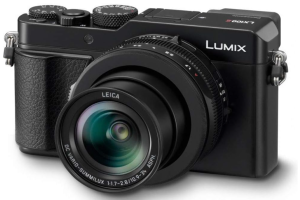
About This Tool
The Panasonic Lumix LX100 takes a different path. It’s designed for serious photographers who value image quality and manual control over long zoom reach. The large Four Thirds sensor and bright Leica lens deliver crisp detail and beautiful depth of field. Despite being compact, it feels like a professional camera in hand.
Features
-
Large Four Thirds 17MP sensor (from a total of 21.7MP) with multi-aspect capability for flexibility.
-
Leica DC Vario-Summilux 24–75mm F1.7–2.8 lens for bright and sharp images.
-
Power Optical Image Stabilization minimizes blur in handheld shots.
-
4K video and 4K Photo technology allow 30fps frame capture and image extraction.
-
Macro shooting capability up to 3cm for close-up photography.
-
2,764k-dot EVF and 3-inch touch LCD (1240k dots) for high clarity and accurate framing.
-
Wi-Fi and Bluetooth connectivity for easy sharing and control via smartphone.
What We Like
-
Bright F1.7–2.8 lens allows stunning low-light shots.
-
Large sensor produces DSLR-like image quality.
-
Excellent color depth and detail.
-
Built-in EVF and intuitive manual controls.
-
Compact yet feels solid and professional.
What We Didn’t Like
-
Only 3x optical zoom—limited reach for travel photography.
-
Fixed screen without tilt or flip function.
-
The body is heavier compared to the ZS100.
-
Autofocus can slow down in low light.
My Opinion
The LX100 is built for image purists. It favors lens speed and image quality over zoom power. The photos look rich, natural, and full of depth. It feels like a mini DSLR but with the size and simplicity of a compact. Great for street photographers, food bloggers, and anyone who loves control over every shot.
Detailed Comparison: Panasonic ZS100 vs LX100
The ZS100 and LX100 both deliver excellent images, but they target different needs. The ZS100 stands out for versatility. Its 10x Leica zoom reaches 250mm, which makes it perfect for travel, wildlife, and distant subjects. The 1-inch sensor provides better light handling than most point-and-shoots, though it still falls short of the LX100 II’s larger Four Thirds sensor.
The LX100 II, on the other hand, shines in pure image quality. Its bright F1.7–2.8 lens produces sharper and more detailed images, especially in low light. The photos show deeper contrast and smoother bokeh. But it sacrifices zoom power for image depth and artistic control.
Both cameras shoot 4K video and have 4K photo modes, but the LX100 II delivers slightly better dynamic range. The ZS100’s touchscreen and compact design make it easier for casual users, while the LX100 II’s manual dials and classic layout appeal to enthusiasts who enjoy hands-on control. For travel, the ZS100 wins due to its compact size and longer zoom. For creativity and image depth, the LX100 II is the better choice.
FAQs
1. Which camera takes better low-light photos?
The LX100 II performs better in low light thanks to its larger Four Thirds sensor and F1.7 lens. It captures more light and delivers cleaner images with less noise.
2. Is the Panasonic ZS100 good for video?
Yes, the ZS100 records in 4K resolution and offers post-focus and hybrid image stabilization, making it solid for casual video use.
3. Which model has the better zoom?
The ZS100 offers a 10x zoom (25–250mm), while the LX100 II has a 3x zoom (24–75mm). For travel or distant subjects, the ZS100 is more practical.
4. Can both cameras shoot in RAW format?
Yes, both support RAW shooting, giving you more flexibility for post-processing and professional editing.
5. Which camera is easier to carry?
The ZS100 is smaller and lighter, ideal for travelers who want power in their pocket. The LX100 II feels more solid but bulkier.
6. Are both good for beginners?
The ZS100 is more beginner-friendly with its automatic modes and touchscreen interface. The LX100 II suits users who understand manual photography.
7. Do they have Wi-Fi or Bluetooth?
Both cameras include Wi-Fi. The LX100 II also adds Bluetooth for easier pairing with mobile devices.
8. Which camera lasts longer on battery?
The ZS100 has slightly better battery life for general use, though both benefit from USB charging for convenience.
Conclusion
The Panasonic ZS100 and LX100 II each deliver impressive performance, but they serve different types of photographers. The ZS100 is the smart choice for travel lovers and casual shooters. It’s compact, easy to use, and has a powerful zoom that covers wide and far scenes. It balances quality and convenience perfectly. The LX100 II is for photographers who care about image depth and manual control. Its larger sensor, bright lens, and classic design bring out professional-level quality in every frame.
In simple terms:
-
Pick the ZS100 for travel and everyday flexibility.
-
Pick the LX100 II for creative control and premium image quality.
Both are excellent cameras from Panasonic’s lineup—your final choice depends on whether you value reach or depth.