How Long Do Ryobi Batteries Last?
Ryobi tools have become a trusted choice for homeowners and DIY users. Their cordless power tools run on rechargeable lithium-ion batteries that make work faster and easier. These batteries power everything from drills and saws to lawnmowers and trimmers.
One question many users ask is simple: how long do Ryobi batteries last?
The answer depends on how they are used, charged, and stored. A well-cared Ryobi battery can serve for several years, while poor habits can shorten its life quickly.
Let’s go deeper into how long Ryobi batteries last per charge, how many years they can work, and how to keep them healthy for as long as possible.
Understanding Ryobi Batteries
Ryobi makes two main battery types — 18V and 40V. Both use lithium-ion cells but are built for different tools. The 18V batteries power hand tools such as drills, drivers, and saws. They are light and easy to handle.
The 40V batteries power outdoor tools like blowers, lawnmowers, and trimmers. These batteries are stronger and larger. Both types perform well, but they wear differently based on use. A battery running a drill indoors may last longer than one driving a mower outdoors in the heat.
How Long a Ryobi Battery Lasts per Charge
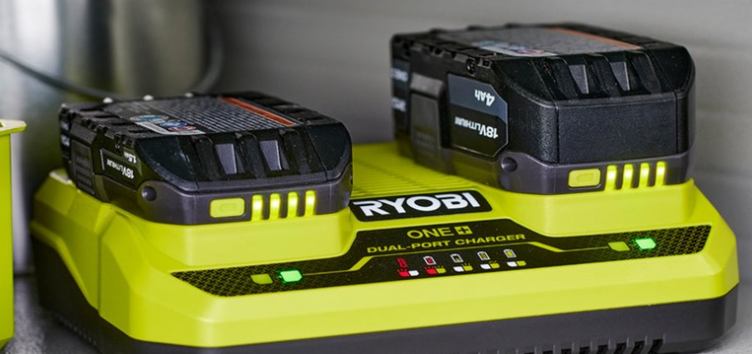
The runtime of a Ryobi battery per charge depends on several things — the size of the battery, the power of the tool, and how hard the tool works.
A small 18V compact battery usually lasts about 20 to 30 minutes under heavy use. Larger 18V batteries can last 40 to 50 minutes. For outdoor tools using the 40V system, runtime can range between 30 to 60 minutes, depending on the task.
Cutting thick branches, drilling into hard wood, or running a mower through tall grass drains power faster. Light use, like driving screws or trimming small edges, can make the same battery last twice as long.
Charging time also plays a role. Most Ryobi batteries charge in 30 to 90 minutes, depending on the charger type and battery capacity.
How Long a Ryobi Battery Lasts in Years
On average, a Ryobi battery lasts three to five years before it starts losing power. Some may last even longer if treated carefully.
Battery life depends on several key factors:
Usage Frequency
Using your battery daily for tough jobs shortens its life faster than light, occasional use.
Storage Conditions
Extreme temperatures harm batteries. Storing them in very hot or freezing places causes permanent damage. Keeping them in a cool, dry indoor spot helps them last longer.
Charging Habits
Leaving the battery on the charger for many hours after it’s full strains the cells. Disconnecting it once charged helps prevent wear.
Depth of Discharge
Running the battery until it completely dies often reduces its total life. Recharging it at around 20%–30% left is a healthier habit.
Natural Aging
Even unused batteries slowly lose performance over time. The chemical cells age naturally, which is normal for all lithium batteries.
Signs Your Ryobi Battery Is Fading
Every battery shows signs of aging before it stops working completely. Here are the most common ones:
-
The battery drains much faster than before.
-
It takes longer to charge fully.
-
The tool feels weak even with a full charge.
-
The charger flashes red and green, showing a fault.
-
It doesn’t hold any charge at all.
If you notice two or more of these signs, the battery is nearing the end of its life.
How to Make Ryobi Batteries Last Longer
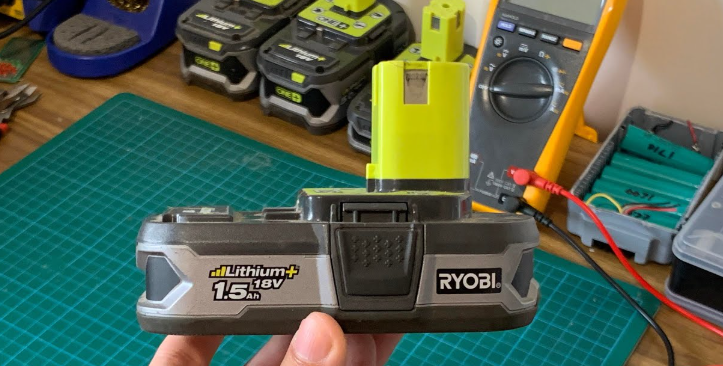
Store in the Right Place
Avoid heat, moisture, or cold storage areas. Keep batteries at normal room temperature. Do not leave them in cars, sheds, or garages during summer or winter.
Charge with Care
Use the original Ryobi charger. Unplug the charger after the battery is full. Overcharging weakens the cells and reduces lifespan.
Keep the Battery Clean
Wipe the battery contacts gently with a dry cloth. Clean contacts help transfer power smoothly between the tool and battery.
Use the Correct Battery for the Tool
Heavy tools like saws or blowers need higher capacity batteries. Using a small one for heavy work strains the battery and causes faster wear.
Avoid Full Drain
Stop using the tool before the battery runs completely empty. Recharge it before it hits zero.
Use It Regularly
Leaving a battery unused for too long causes slow chemical decay. Even a short use once every few months helps maintain strength.
Avoid Fast Recharging Too Often
Quick chargers are convenient but produce more heat. For daily use, a standard charger is safer for long-term health.
Typical Lifespan of 18V and 40V Batteries
The 18V batteries usually last between three to five years, depending on usage and care. They handle small to medium jobs and are recharged more often.
The 40V batteries last around three to four years on average. They power larger tools that draw more energy and work in tougher outdoor conditions.
Both can work beyond their average life if stored properly and used carefully.
Why Some Batteries Die Early
Some Ryobi batteries stop working sooner because of harsh conditions or wrong use. Common reasons include:
-
Continuous use in hot environments.
-
Long periods left on chargers.
-
Cheap replacement chargers that don’t match Ryobi’s power specs.
-
Moisture exposure from rain or humidity.
-
Storage in cold garages during winter months.
These factors reduce battery performance and can even damage the internal cells permanently.
Recycling Old Ryobi Batteries
Old batteries should never be thrown in the trash. Lithium-ion batteries can leak harmful chemicals. Recycling keeps the environment safe and allows useful materials to be reused. Many hardware stores and recycling centers accept old Ryobi batteries for free.
Before recycling, make sure the battery is completely discharged. Tape the metal contacts to prevent short circuits.
FAQs
Q1: How long does a Ryobi battery last on one charge?
Most Ryobi batteries last between 20 and 60 minutes, depending on the size, tool, and workload.
Q2: How many years does a Ryobi battery last before replacement?
Usually between three and five years, with proper care and normal use.
Q3: Can Ryobi batteries last more than five years?
Yes, some can last six or even seven years with gentle use, good charging habits, and proper storage.
Q4: Should I leave my Ryobi battery on the charger overnight?
No. Remove it once it’s full to prevent heat and cell stress.
Q5: Why does my Ryobi charger flash red and green?
It means the battery has a fault. This can happen if it’s too hot, too cold, or damaged inside.
Q6: Can I store my Ryobi batteries in the garage?
Only if the temperature stays mild. Extreme heat or cold shortens battery life.
Q7: What causes Ryobi batteries to lose charge quickly?
Old age, poor charging habits, or dirty contacts usually cause shorter runtime.
Conclusion
A Ryobi battery can last three to five years with good care and around 30 to 60 minutes per charge, depending on the tool and task. Small habits make a big difference — charging correctly, storing safely, and avoiding deep drains keep the cells strong for years.
Each battery has a life cycle, but smart care extends it far beyond the average. Clean contacts, cool storage, and proper charging give your Ryobi battery a longer, more reliable life — so your tools stay ready whenever you need them.