Is Makita a Good Brand? A Simple Guide for Tool Buyers
Many people ask a simple question before buying power tools. Is Makita a good brand? This question matters to homeowners, professionals, and beginners. Tools cost real money. Bad tools waste time and cause stress.
Good tools save effort and last longer. Makita appears on many job sites and home garages. Blue tools stand out on shelves. Trust does not come from color alone. Trust comes from performance, quality, and long-term use.
This article explains Makita in clear and simple words. Real strengths appear. Real weaknesses also appear. Each section focuses on facts and user experience. The goal stays clear. Honest help for smart decisions.
Brand Background and Reputation
Makita Company History
Makita began in Japan in 1915. The company started as an electric motor repair business. Growth came slowly and steadily. Power tool production followed years later. Japanese values shaped the brand early. Precision, discipline, and patience guided development.
Decades of experience built strong knowledge. Long history often signals stability. Short-lived brands struggle to match this level of learning.
Global Brand Recognition
Makita sells tools in many countries. Professionals recognize the brand quickly. Job sites often show Makita tools next to other major brands. Brand recognition grows through real use, not loud marketing.
Many contractors trust Makita for daily work. Home users also choose Makita for reliability. This wide user base strengthens reputation.
Build Quality and Durability
Materials and Construction
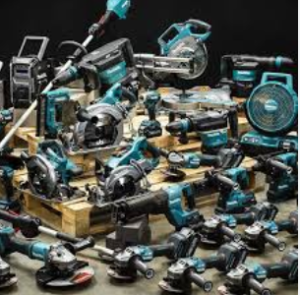
Makita tools use solid materials. Plastic housings feel thick and strong. Rubber grips improve control and comfort. Internal parts focus on long service life.
Engineers design tools for tough environments. Dust, heat, and vibration receive attention during design. This approach supports durability.
Long-Term Tool Lifespan
Many users report years of service from Makita tools. Some tools last over a decade with basic care. Longevity reduces replacement costs.
Durability matters more than extra features. A tool that works every day builds trust.
Performance in Real Use
Power and Efficiency
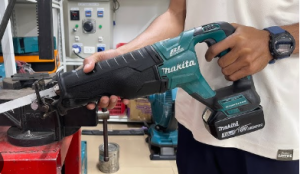
Makita tools deliver steady power. Motors provide smooth operation. Cordless tools perform well under load. Brushless motors improve efficiency.
Battery tools compete strongly with corded versions. Cutting, drilling, and fastening feel consistent.
Precision and Control
Tool balance plays a big role. Makita designs focus on weight distribution. Better balance reduces fatigue.
Triggers respond smoothly. Speed control feels natural. These small details matter during long tasks.
Battery Technology and Cordless Systems
Makita Battery Platforms
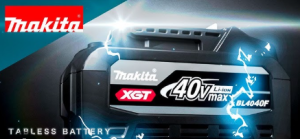
Makita offers several battery systems. The 18V LXT platform leads the lineup. Many tools share the same battery type. Compatibility saves money.
Users can build tool collections without buying new batteries each time. This system approach adds value.
Battery Life and Charging
Makita batteries deliver strong runtime. Lithium-ion cells handle frequent charging well. Fast chargers reduce downtime.
Heat management protects battery health. Proper cooling extends battery life.
Range of Tools Offered
Power Tools for Professionals
Makita covers drills, saws, grinders, sanders, and more. Professional users find tools for many trades. Carpentry, electrical work, plumbing, and metal work all receive support.
Specialty tools also appear in the lineup. Concrete and woodworking tools show strong performance.
Outdoor and Garden Equipment
Makita also produces outdoor tools. Lawn mowers, trimmers, blowers, and chainsaws use battery power. Quiet operation helps residential areas.
Gas alternatives exist in some regions. Battery options continue to expand.
Ease of Use and Ergonomics
Tool Design and Comfort
Makita focuses on user comfort. Handles feel natural. Grip texture reduces slipping. Vibration control improves comfort during long use.
Lightweight designs reduce strain. This benefit matters for overhead work.
Simple Controls and Layout
Controls remain easy to understand. Buttons and switches sit in logical positions. New users learn quickly.
Clear markings help avoid mistakes. Simplicity helps both beginners and professionals.
Reliability and Consistency
Performance Over Time
Makita tools maintain performance after long use. Power output remains stable. Components resist wear.
Consistency builds confidence. Users know what to expect each day.
Quality Control Standards
Makita controls manufacturing closely. In-house production plays a big role. Quality checks happen at many stages.
Factories follow strict standards. Defects appear less often compared to cheaper brands.
Repairability and Parts Availability
Access to Spare Parts
Makita offers replacement parts for many tools. Service centers stock common components. Online parts diagrams help identify items.
Repair options extend tool life. This support reduces waste.
Service Network Support
Authorized service centers operate in many regions. Trained technicians handle repairs. Warranty support adds peace of mind.
Support quality varies by region. Major markets usually receive strong coverage.
Price and Value for Money
Price Compared to Competitors
Makita tools cost more than budget brands. Prices often match mid to high-tier brands. Cost reflects quality and durability.
Cheap tools fail sooner. Replacement costs add up.
Long-Term Value
Long service life improves value. Fewer repairs save money. Battery compatibility reduces future costs.
Value comes from performance over time, not just initial price.
Makita for Professionals
Job Site Performance
Contractors rely on Makita daily. Tools handle heavy workloads. Reliability supports deadlines.
Many tradespeople choose Makita as primary tools. Trust grows through daily use.
Professional Feedback
Reviews from professionals often praise durability. Complaints usually focus on price or weight, not performance.
Professional loyalty reflects real-world trust.
Makita for Home Users
DIY and Home Projects
Home users benefit from Makita reliability. Tools handle occasional use easily. Power exceeds most home needs.
Ease of use helps beginners. Clear controls reduce learning time.
Suitability for Beginners
Makita tools feel user-friendly. Safety features add protection. Manuals explain functions clearly.
Beginners can grow into the brand without replacing tools.
Comparison With Other Major Brands
Makita vs DeWalt
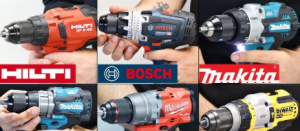
DeWalt offers strong power and wide availability. Makita often feels smoother and lighter. Battery platforms differ in compatibility.
Choice depends on personal preference and tool needs.
Makita vs Milwaukee
Milwaukee focuses on high torque and job site toughness. Makita emphasizes balance and precision. Both brands serve professionals well.
Makita often appeals to users who value control.
Makita vs Bosch
Bosch offers precision tools and good engineering. Makita provides wider cordless options. Availability varies by region.
Each brand has strengths.
Innovation and Technology
Motor and Electronics Development
Makita invests in motor technology. Brushless motors improve efficiency and lifespan. Electronics protect tools from overload.
Innovation supports reliability rather than flashy features.
Battery and Charging Advances
Battery improvements focus on runtime and safety. Charging systems manage heat well.
Steady progress defines Makita’s approach.
Environmental and Noise Considerations
Quiet Operation
Battery tools produce less noise. This benefit matters in residential areas. Workers experience less fatigue.
Noise reduction improves comfort.
Environmental Impact
Battery tools reduce emissions compared to gas tools. Energy efficiency supports sustainability goals.
Makita continues to expand battery options.
Weak Points to Consider
Higher Initial Cost
Makita tools cost more than entry-level brands. Budget buyers may hesitate.
Price reflects quality and long-term use.
Limited Marketing Presence
Makita relies less on advertising. Some users may overlook the brand.
Word-of-mouth plays a larger role.
User Reviews and Community Feedback
Positive Experiences
Many users praise durability and comfort. Long-term satisfaction appears common.
Professional forums often recommend Makita.
Common Complaints
Some users mention battery cost. Others mention tool weight in certain models.
Complaints remain limited compared to praise.
Who Should Choose Makita?
Best Fit Users
Professionals benefit the most. Serious DIY users also gain value. Users who prefer reliability over extra features fit well.
Makita suits long-term ownership.
Users Who May Look Elsewhere
Casual users with tight budgets may prefer cheaper brands. Specialty needs may require niche tools.
Choice depends on usage level.
FAQs
Is Makita a reliable brand?
Makita offers strong reliability. Long service life and steady performance support this reputation.
Do professionals use Makita tools?
Many professionals use Makita daily. Job sites around the world show strong adoption.
Are Makita tools worth the price?
Makita tools cost more upfront. Long-term durability and performance justify the price for many users.
Does Makita make good cordless tools?
Makita cordless tools perform very well. Battery platforms offer wide compatibility.
Can beginners use Makita tools?
Beginners can use Makita tools easily. Simple controls and good balance help learning.
How long do Makita tools last?
Proper care allows Makita tools to last many years. Some users report over ten years of service.
Conclusion
Makita stands as a good brand for many users. Strong build quality, reliable performance, and long history support this view. Professionals trust Makita for daily work. Home users enjoy ease of use and durability.
Higher price reflects long-term value rather than short-term savings. Honest evaluation shows more strengths than weaknesses. Buyers who value reliability and comfort often feel satisfied with Makita tools.