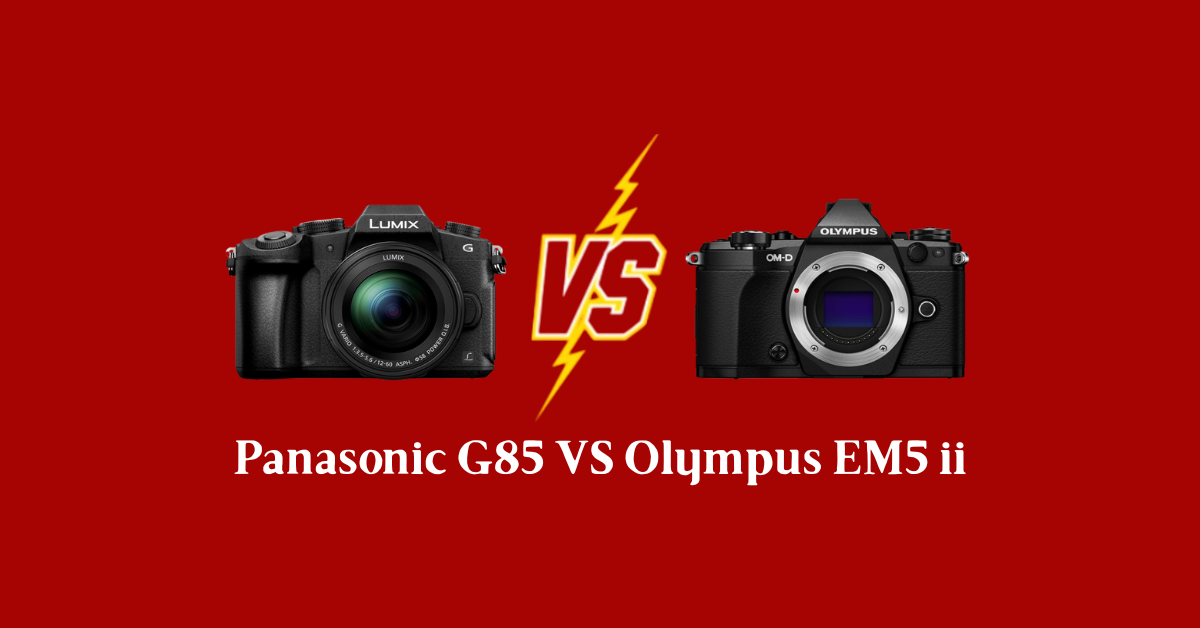
Panasonic G85 vs Olympus E-M5 II: Which Camera Delivers More Value?
Panasonic and Olympus have built strong reputations for producing compact and capable mirrorless cameras. The Panasonic G85 stands out with its solid build, 4K video support, and reliable dual image stabilization that performs well in real-world shooting.
The Olympus E-M5 II takes a different route, focusing on design elegance, advanced features, and exceptional 5-axis stabilization that keeps images sharp in challenging light. Both cameras use the Micro Four Thirds system, offering access to an impressive range of lenses while staying light enough for travel and daily use.
The Panasonic G85 delivers modern performance with video-friendly controls, while the E-M5 II adds creative shooting options that appeal to photographers who enjoy experimenting with style and composition. Comparing these two reveals how each camera caters to distinct shooting preferences, helping photographers decide which one fits their workflow and vision more effectively.
Panasonic G85 vs Olympus E-M5 Mark II: A Complete Comparison
Both Panasonic and Olympus are known for making reliable mirrorless cameras. The Panasonic Lumix G85 and Olympus OM-D E-M5 Mark II are two popular choices for photographers who want strong performance without the weight of a DSLR. Each camera brings its own unique features to the table — from 4K video recording to advanced image stabilization. This detailed comparison will help you decide which model fits your shooting style better.
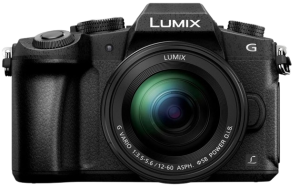
Panasonic Lumix G85
About This Tool
The Panasonic Lumix G85 is a compact and durable mirrorless camera that combines professional performance with portability. It features a 16-megapixel Micro Four Thirds sensor and a Dual Image Stabilization system that helps capture sharp photos and stable 4K videos.
Its weather-sealed body makes it perfect for outdoor adventures, while the fully articulating touchscreen adds flexibility for vlogging or low-angle photography. This camera is a great choice for photographers who want DSLR-like quality in a lighter body. It handles everyday photography, travel shots, and 4K video recording with ease.
Features
-
16MP Micro Four Thirds Sensor: Delivers crisp images with improved fine detail.
-
5-Axis Dual Image Stabilization: Reduces blur in handheld shots and during video recording.
-
4K QFHD Video (3840 x 2160): Shoots smooth and vibrant footage at 30fps.
-
OLED Live Viewfinder: 2360K-dot resolution for accurate framing and exposure.
-
3-Inch Tilt and Touch LCD: Rotates to fit different angles, ideal for vlogging or selfies.
-
Weather-Sealed Body: Protects against dust and splashes for outdoor use.
-
Built-in Wi-Fi: Enables easy sharing and remote control with a smartphone.
-
12–60mm Power O.I.S. Lens: A flexible lens that covers wide to medium zoom ranges.
What We Like
The Lumix G85 feels solid and easy to handle. Its in-body image stabilization stands out — it works so well that handheld video looks smooth even without a gimbal.
The autofocus system is quick and accurate, locking onto subjects fast even in low light. The touchscreen adds convenience, and the menu layout is beginner-friendly.
The 4K video quality is excellent, especially for a camera in this price range. Battery life is decent for mirrorless standards, and the dual stabilization makes this camera reliable for street and travel photography. The weather-sealed body adds confidence during unpredictable weather.
What We Didn’t Like
The camera body is slightly bulky compared to smaller mirrorless models. While 4K video looks great, long recording sessions can lead to minor overheating. The sensor performance in low-light situations is good, but not exceptional. Also, the EVF resolution, while sharp, could be brighter under harsh sunlight.
My Opinion
The Panasonic Lumix G85 delivers a balanced mix of image quality, build, and video features. It’s perfect for photographers who want both stills and video in one compact setup. Its stabilization system, touchscreen, and 4K video capability make it suitable for travel vloggers and content creators. Though not a top-end camera, it provides tremendous value for its price — a dependable choice for anyone ready to step into serious photography.
Olympus OM-D E-M5 Mark II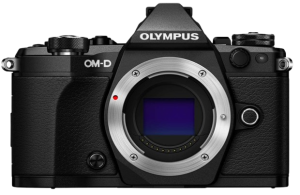
About This Tool
The Olympus OM-D E-M5 Mark II is built for photographers who want mobility without sacrificing image quality. It packs a 16.1-megapixel Live MOS sensor, 5-axis image stabilization, and cinema-quality video recording. The body design feels premium, with strong metal construction and weather sealing that can handle harsh outdoor conditions. This camera targets photographers who value stability, compactness, and creative control. The tilt touchscreen and electronic viewfinder make shooting easier in any light.
Features
-
16.1MP Live MOS Sensor: Produces sharp, detailed images with rich color.
-
5-Axis Image Stabilization: Keeps photos and videos steady, even in motion.
-
Articulating LCD Screen: Great for shooting from different angles.
-
Electronic Viewfinder: Large and bright, helping in outdoor or low-light scenes.
-
Dust, Splash, and Freeze-Proof Body: Ready for tough weather and outdoor use.
-
Full HD 1080p Video: Smooth and stable footage, even handheld.
-
Compact and Lightweight Design: Easy to carry all day.
-
Silent Super Sonic Wave Filter: Removes dust from the sensor automatically.
What We Like
The Olympus E-M5 Mark II stands out for its stabilization system — it’s incredibly effective. Even without a tripod, it produces smooth video and tack-sharp photos.
Its design and handling feel premium, with a durable build that inspires confidence. The menu system offers plenty of customization for advanced users, and color reproduction looks natural and vibrant. The compact body is perfect for travel and street photography, making it one of the most portable mirrorless options.
What We Didn’t Like
There’s no 4K video option, which feels limiting in today’s market. Autofocus performance is decent but slower than modern models, especially in low light. Battery life could be better for long shoots, and the menu system may feel complex for beginners. The small grip also makes handling tricky for users with larger hands.
My Opinion
The Olympus E-M5 Mark II remains a solid performer for photographers who prefer still photography. Its image stabilization and build quality are among the best in its class. It’s light, durable, and produces clean images in most lighting conditions. While it lacks 4K recording, it shines in stability and portability. For travel photographers who love compact gear and rich colors, this camera is a wonderful pick.
Detailed Comparison: Panasonic G85 vs Olympus E-M5 Mark II
The Panasonic G85 and Olympus E-M5 Mark II both use the Micro Four Thirds system, meaning they share compatible lenses. But they cater to slightly different audiences.
The G85 is a better all-rounder. It offers 4K video recording, dual image stabilization, and a strong autofocus system. It suits hybrid shooters who want both photo and video performance. The articulating screen and weather-sealed body also make it great for vloggers and outdoor work.
The E-M5 Mark II, on the other hand, focuses on still photography. It’s lighter and more compact, ideal for travel and street shooting. Its 5-axis stabilization remains one of the best, and the build quality feels premium. But the lack of 4K video gives the G85 an edge for modern creators.
Both cameras handle well, produce rich colors, and feel comfortable in hand. If you shoot more videos, go with the Panasonic G85. If you value portability and pure photography, the Olympus E-M5 Mark II is a solid choice.
FAQs
1. Which camera has better image stabilization?
Both cameras offer excellent stabilization, but Olympus leads slightly with its 5-axis system. It’s smoother and steadier in both photos and handheld video.
2. Does the Panasonic G85 shoot 4K video?
Yes. It captures 4K footage at 30fps, making it perfect for video creators and vloggers.
3. Is the Olympus E-M5 Mark II weather-sealed?
Yes. It’s dustproof, splashproof, and freezeproof, which makes it reliable for outdoor shoots.
4. Which camera is easier for beginners?
The Panasonic G85 offers a simpler menu and better touchscreen control, making it easier for new users.
5. Which camera is better for photography only?
The Olympus E-M5 Mark II is great for still photographers who want portability, stability, and classic image colors.
6. Which one has longer battery life?
Both are moderate, but the G85 lasts slightly longer per charge, especially in still photo mode.
7. Can both cameras use the same lenses?
Yes. Both use the Micro Four Thirds mount, so lenses are interchangeable between them.
Conclusion
Both cameras deliver excellent value and performance. The Panasonic G85 is ideal for creators who want strong video features, reliable autofocus, and advanced stabilization. The Olympus E-M5 Mark II focuses on elegant design, compact form, and solid image quality for photography lovers.
If your main goal is hybrid shooting with smooth 4K video, go for the Panasonic G85. If you prioritize portability, craftsmanship, and still photography, the Olympus E-M5 Mark II will fit perfectly. Each camera has its own strengths — it depends on how you like to shoot and what kind of stories you want to tell.