Panasonic 45-150 vs 45-175 [Which Lens Wins Your Next Shot?]
Photographers seeking versatile zoom lenses often debate the strengths of Panasonic’s 45-150 and 45-175 models, with each promising sharp images and reliable performance.
This comparison peels back the marketing blur and highlights the real-world differences that matter most to creators. Both lenses serve Micro Four Thirds shooters with appealing features, but focal range, optical stabilization, size, and price influence how well each performs across genres like portraits, landscapes, and travel photography.
Understanding these nuances empowers buyers to match the lens to their unique shooting style rather than settling for the first option that appears “good enough.”
Technical specs tell only part of the story; handling, autofocus speed, and overall value close the deal. By comparing strengths and trade-offs side by side, this guide leads readers through a clear path to the right decision based on creative goals, budget, and the types of scenes they intend to capture.
Table of Contents
TogglePanasonic 45-150 vs 45-175: A Deep and Honest Comparison for Telephoto Lovers
Telephoto zoom lenses help you bring far subjects closer. Birds in trees. Players on a field. Faces in a crowd. Details on mountains. Panasonic offers two strong options in this range. The 45-150mm and the 45-175mm.
Both work with Micro Four Thirds cameras. Both stay compact and light. Yet they feel different in real use. This guide explains every key detail in simple words. Clear facts. Short sentences. No confusion.
Panasonic Lumix G Vario 45-150mm f/4.0-5.6
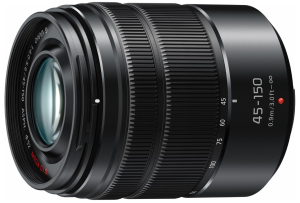
Product Details
Brand and Mount
Panasonic builds this lens for the Lumix G system. It fits all Micro Four Thirds mount cameras. Small bodies. Mirrorless design. Easy to carry.
Focal Length and Range
The focal length runs from 45mm to 150mm. On Micro Four Thirds, this equals 90mm to 300mm in full-frame terms. This range covers portraits, sports, wildlife at medium distance, and travel shots.
Optical Construction
The lens uses 12 elements in 9 groups. Two aspherical lenses help control distortion. One UHR lens improves sharpness and contrast. Multi-coating reduces flare and ghosting in bright light.
Aperture and Bokeh
The aperture range runs from f/4.0 to f/5.6. Seven aperture blades create smooth background blur. Portrait photos look soft behind the subject.
Features
Mega O.I.S. Stabilization
Panasonic adds Mega Optical Image Stabilizer. This system reduces blur from hand movement. Low light shots look sharper. Handheld photos feel safer.
Quiet Autofocus
The lens uses an inner focus system with a stepping motor. Focus moves smoothly and almost silently. Video recording feels natural. No loud motor noise.
Compact Design
The lens stays small and light. Travel photographers enjoy this size. It fits easily in small camera bags.
Everyday Zoom Flexibility
The 45-150mm range fits daily photography. Street portraits. Outdoor events. Nature walks. Simple and practical.
What Is the Good?
Lightweight body reduces fatigue.
Sharp center image quality.
Good contrast in daylight.
Smooth and quiet autofocus.
Affordable price for many users.
This lens works well for beginners and hobby photographers.
What Is the Bad?
Maximum zoom stops at 150mm.
Aperture stays limited in very dark scenes.
Plastic build feels less premium than higher-end lenses.
No power zoom for video.
Overall Opinion
Panasonic designed this lens for balance. Price. Size. Performance. It does not try to impress with extreme specs. It focuses on daily reliability. Many users choose it as a first telephoto lens. Simple. Effective. Easy to carry.
Panasonic Lumix G X Vario PZ 45-175mm f/4.0-5.6
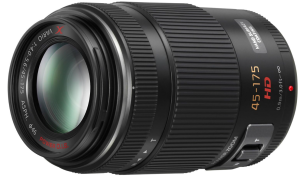
Product Details
Brand and Series
Panasonic places this lens in the Lumix G X series. The G X line targets users who want more advanced features. The lens supports Micro Four Thirds mount.
Focal Length and Reach
The focal length runs from 45mm to 175mm. In full-frame terms, this equals 90mm to 350mm. Extra 25mm on the long end helps capture distant birds or sports players.
Optical Structure
The lens includes special elements like ED lenses. ED lenses reduce color fringing. Nano Surface Coating lowers reflections across the light range. Images show fewer flares and better contrast.
Aperture
The aperture range remains f/4.0 to f/5.6. Minimum aperture reaches f/22. Background blur looks smooth, though similar to the 45-150mm.
Features
Power Zoom Control
The lens includes a zoom lever. You can zoom smoothly at a steady speed. Video shooters like this feature. Zoom movements look clean and controlled.
POWER O.I.S.
POWER Optical Image Stabilizer improves blur reduction. The system handles both small fast shakes and large slow movements. Handheld video feels more stable.
Floating Inner Focus System
A multi-actuator system controls three lens groups. This design keeps image quality high while reducing size and weight.
Compact and Light
The lens measures about 90mm in length. Weight stands near 7.4 ounces. Despite longer reach, it stays very portable.
What Is the Good?
Longer zoom range.
Better stabilization system.
Smooth power zoom for video.
Strong contrast and detail.
Compact design despite extra reach.
This lens suits travel vloggers and hybrid shooters.
What Is the Bad?
Higher price than the 45-150mm.
Aperture remains modest for night work.
Power zoom feels slower than manual zoom for fast action photos.
Overall Opinion
Panasonic built this lens for users who want more control and more reach. Video creators benefit most. Travel photographers also enjoy the extra zoom. The lens feels modern and refined. It costs more, but it offers more features.
Details Comparison Of Panasonic 45-150 vs 45-175
Panasonic 45-150mm delivers 90-300mm equivalent coverage. Panasonic 45-175mm extends that range to 350mm equivalent. That extra reach helps in wildlife and sports photography. Small difference on paper. Noticeable in the field.
Both lenses share the same aperture range. Low light ability stays similar. Neither lens performs like a fast f/2.8 telephoto. Daylight and outdoor shooting suit them best.
Stabilization systems differ slightly. Mega O.I.S. works well for casual shooting. POWER O.I.S. adds stronger correction for larger hand movement. Video users may see smoother footage with the 45-175mm.
Zoom control creates another clear difference. The 45-150mm uses a manual zoom ring. Fast and direct. The 45-175mm uses a power zoom lever. Smooth and steady. Photo shooters often prefer manual zoom. Video creators often prefer power zoom.
Build and portability feel similar. Both lenses stay small and light. Both match well with compact Lumix mirrorless cameras.
Price often becomes the final factor. Budget buyers lean toward the 45-150mm. Users who want extra features lean toward the 45-175mm.
FAQs
1. Which lens gives more zoom reach?
The 45-175mm reaches 350mm equivalent. The 45-150mm reaches 300mm equivalent.
2. Are both lenses good for beginners?
Yes. Both lenses offer easy handling and good image quality for new photographers.
3. Which lens works better for video recording?
The 45-175mm works better for video because it offers power zoom and advanced stabilization.
4. Do both lenses produce good background blur?
Yes. Both lenses use seven aperture blades and create smooth background blur at longer focal lengths.
5. Which lens is better for travel?
Both lenses suit travel due to small size. The 45-175mm offers more reach. The 45-150mm costs less and keeps things simple.
Conclusion
Panasonic 45-150mm fits users who want affordable telephoto reach in a compact body. Panasonic 45-175mm fits users who want extra zoom and smoother control for video work. Both lenses perform well in daylight and outdoor settings. Both stay light and easy to carry.
Your shooting style matters most. Photo-focused users may prefer the simple manual zoom of the 45-150mm. Hybrid shooters and vloggers may prefer the smoother power zoom of the 45-175mm. Clear needs lead to the right choice.