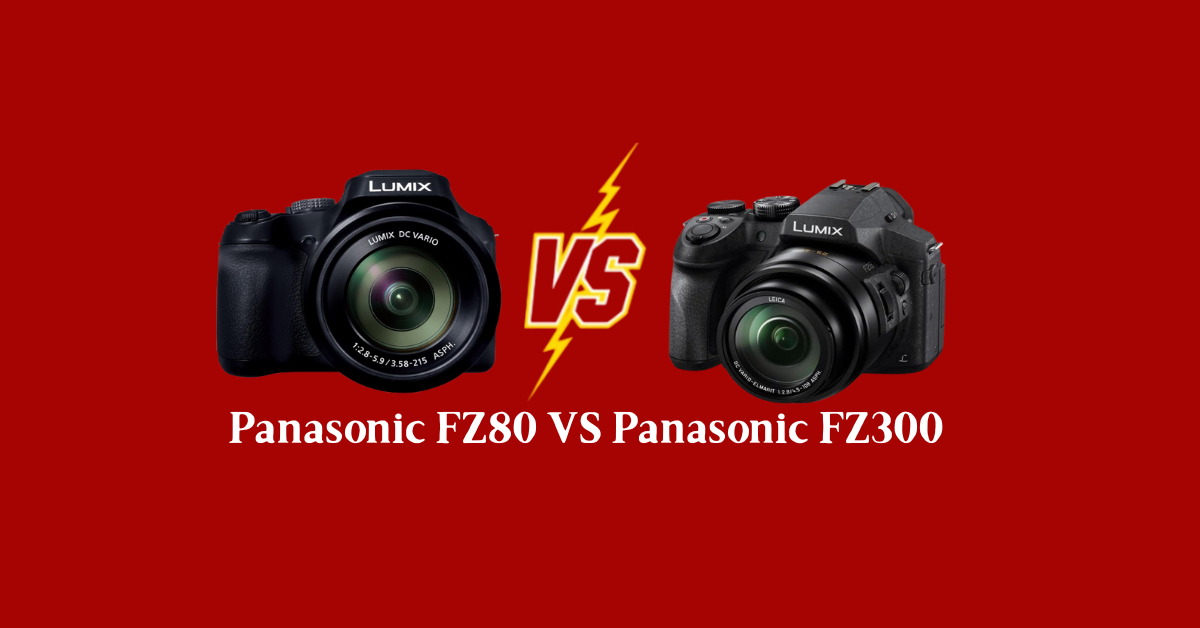
Panasonic FZ80 vs FZ300: Which Superzoom Wins the Race?
Panasonic’s superzoom cameras bridge the gap between compact simplicity and DSLR-style control. The FZ80 and FZ300 sit at the heart of this category, offering impressive zoom ranges, 4K capabilities, and solid handling for photographers who crave versatility.
The FZ80 grabs attention with its massive 60x zoom lens and excellent value, making it a great travel companion for distant subjects and sweeping landscapes. The FZ300 takes a different route with a constant f/2.8 aperture, providing sharper results and better performance in low light.
Both cameras share features like 4K photo modes, electronic viewfinders, and intuitive menus, but they cater to slightly different shooting needs. The FZ80 focuses on reach and affordability, while the FZ300 emphasizes control and consistency. Exploring how these strengths match your photography goals reveals which model offers the best blend of power, precision, and creative freedom for your adventures.
Panasonic FZ80 vs FZ300: Two Versatile Zoom Cameras for Everyday Creators
Finding a camera that captures distant subjects clearly without switching lenses can be tough. That’s why bridge cameras like the Panasonic FZ80 and FZ300 remain so popular. Both models give users a long zoom range, solid image quality, and 4K video recording — all in a compact design.
The Panasonic Lumix FZ80 is built for travelers, beginners, and hobbyists who want reach and convenience in one package. It offers a massive 60x zoom, fast autofocus, and an upgraded OLED viewfinder. On the other side, the Panasonic Lumix FZ300 focuses more on durability and consistent performance. It features a rugged, weather-sealed body, constant f/2.8 aperture, and a high-quality Leica lens.
Both cameras can record crisp 4K videos and sharp stills, making them reliable tools for wildlife, sports, and travel photography. Yet, each serves a slightly different type of user. The FZ80 aims to provide excellent value and easy use, while the FZ300 focuses on control and durability. This comparison will explore every detail so you can decide which one suits your needs best.
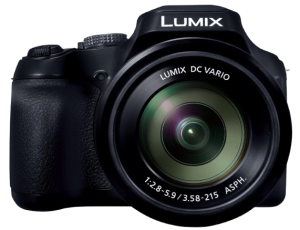
Panasonic Lumix FZ80
About This Tool
The Panasonic Lumix FZ80, also known as the FZ82 in some regions, is a budget-friendly superzoom camera designed for travelers and casual photographers. It combines simplicity, speed, and a massive zoom range of 20–1200mm (35mm equivalent). This makes it perfect for subjects that are far away — from wildlife to city skylines.
It includes a 2,360k-dot OLED electronic viewfinder that gives a bright and clear preview, even under strong sunlight. The new USB-C charging option and 4K photo features make it practical for daily shooting.
Features
-
18.1MP MOS sensor with Venus Engine processor
-
60x optical zoom (20–1200mm equivalent)
-
4K Ultra HD video recording at 30fps
-
4K Photo mode to extract 8MP stills from videos
-
Post Focus and Focus Stacking options
-
Power Optical Image Stabilizer (O.I.S.) for handheld shots
-
OLED electronic viewfinder (2.36M dots)
-
USB-C charging and Wi-Fi connectivity
What We Like
The biggest advantage of the FZ80 is its zoom range. You can capture landscapes, portraits, and wildlife with one lens. The 4K video quality is excellent for the price, and the 4K Photo mode makes it easy to pick perfect moments from action scenes. The camera feels lightweight and portable, making it great for travel. The Power O.I.S. does a solid job of reducing shake, even when zoomed in to 1200mm.
The OLED viewfinder is bright and sharp, which helps in outdoor shooting. The touch interface is responsive, and features like Post Focus allow you to select the focus area after taking a shot — an impressive function at this price point.
What We Didn’t Like
Low-light performance is limited because of the smaller sensor size and variable aperture lens. Images can show noise in darker scenes. The fixed LCD screen lacks flexibility, and the camera body is not weather-sealed. Continuous shooting is decent but not the fastest. It’s best suited for bright environments or daytime use.
My Opinion
The Panasonic FZ80 is a great entry-level bridge camera for users who want power and convenience in one device. It delivers sharp images, useful zoom power, and simple controls. While it’s not a professional camera, its 4K features and long zoom make it a reliable companion for vacations, outdoor events, and everyday adventures.
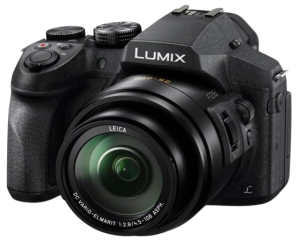
Panasonic Lumix FZ300
Product Details
The Panasonic Lumix FZ300 stands a step higher in Panasonic’s bridge camera lineup. It features a 12.1MP sensor, 24x zoom lens (25–600mm equivalent), and a constant f/2.8 aperture throughout the zoom range. The lens is developed in partnership with Leica, ensuring crisp and detailed image quality.
What truly sets the FZ300 apart is its build. It’s splash-proof and dustproof, with weather sealing across buttons and dials. The camera is designed to handle outdoor conditions, making it a favorite among adventure and wildlife photographers.
Features
-
12.1MP High Sensitivity MOS sensor
-
24x optical zoom (25–600mm equivalent)
-
Constant f/2.8 aperture for consistent brightness
-
Leica DC Vario-Elmarit lens
-
4K video and 4K Photo modes
-
5-Axis Hybrid Optical Image Stabilizer
-
Rugged splash-proof and dustproof body
-
Wi-Fi connectivity and vari-angle touchscreen
What We Like
The FZ300 delivers stable performance in almost every condition. The constant f/2.8 aperture helps keep images bright even in low light or at full zoom. The rugged design makes it perfect for outdoor trips and shooting in unpredictable weather. Its image stabilization is outstanding, reducing blur in both photos and videos.
The autofocus is quick, and the vari-angle screen allows flexible shooting angles for vlogging or creative shots. The Leica lens produces clear images with pleasant contrast and color accuracy. The unlimited 4K video recording time also makes it reliable for longer sessions.
What We Didn’t Like
The FZ300 has a smaller zoom range compared to the FZ80. Its 12.1MP resolution may feel limited for users who like to crop their images. Also, while the body feels solid, it’s heavier and bulkier than the FZ80. Battery life could be better, especially during 4K recording.
My Opinion
The Panasonic FZ300 is designed for photographers and filmmakers who want control, reliability, and strong performance outdoors. It handles tough environments, delivers consistent image quality, and provides a professional feel in a compact size. It’s a great choice for creators who need a rugged camera for travel, nature, or sports.
Detailed Comparison: Panasonic FZ80 vs FZ300
The FZ80 and FZ300 share Panasonic’s reliable 4K technology but target different users. The FZ80 focuses on simplicity and extreme zoom reach, while the FZ300 prioritizes control, durability, and image consistency.
The FZ80’s 60x zoom lens reaches an incredible 1200mm, double the FZ300’s 600mm limit. That makes it ideal for distant wildlife or faraway subjects. Yet, the FZ300’s constant f/2.8 aperture gives it a big advantage in low light and ensures faster shutter speeds across the zoom range.
In terms of build quality, the FZ300 wins easily. It’s weather-sealed and built for outdoor challenges. The FZ80 lacks that rugged protection, making it better for travel or general use rather than harsh conditions.
For video creators, both offer 4K recording, but the FZ300 provides more control and stability with its 5-axis stabilization and longer recording durations. The FZ80 is easier to use and lighter, but the FZ300 gives more professional flexibility.
Image quality on both cameras is good for their sensor class. The FZ80’s higher resolution gives slightly more detail in daylight, while the FZ300’s lens and aperture produce cleaner results in low light.
If you want a camera for family trips, landscapes, and occasional wildlife shots, the FZ80 gives more reach and value. If you shoot often outdoors, in variable weather, or want better control over exposure and light, the FZ300 is the smarter pick.
FAQs
1. Which camera has better zoom power?
The Panasonic FZ80 has a 60x optical zoom that reaches 1200mm, while the FZ300 has a 24x zoom reaching 600mm. The FZ80 wins in zoom range.
2. Does the FZ300 perform better in low light?
Yes. The FZ300’s constant f/2.8 aperture lets in more light at all zoom levels, giving it better low-light performance.
3. Are both cameras good for 4K video?
Yes. Both can record 4K video at 30fps and include 4K Photo modes for capturing frames as stills.
4. Can I use these cameras for vlogging?
The FZ300 works better for vlogging because of its flip screen and constant aperture, while the FZ80’s screen is fixed.
5. Which camera is more durable?
The FZ300 is weather-sealed and can handle rain or dust, while the FZ80 is not designed for rough environments.
6. Do both cameras have image stabilization?
Yes. Both include Panasonic’s Power O.I.S. system, but the FZ300 adds a 5-axis hybrid stabilizer for smoother handheld videos.
7. Which camera is lighter?
The FZ80 is lighter and more compact, making it ideal for travel and everyday carry.
8. Is there a big difference in price?
Yes. The FZ80 is more affordable, while the FZ300 costs more due to its rugged build and better lens.
9. Which one is better for beginners?
The FZ80 is easier to use, offering simple menus and auto modes suited for beginners.
10. Which camera lasts longer for heavy use?
The FZ300’s weather-sealed body and constant lens make it more reliable for regular or professional use.
Conclusion
The Panasonic FZ80 and FZ300 both deliver impressive versatility in compact bodies. The FZ80 offers more zoom power and easier handling at a lower price. It’s perfect for travelers, beginners, and casual photographers. The FZ300 focuses on durability, consistent performance, and better control. Its weather-sealed design and f/2.8 lens make it a reliable partner for serious outdoor work.
For users who value reach, simplicity, and affordability — go for the FZ80. For those who need dependable performance in all conditions and better low-light control — the FZ300 stands out as the smarter investment. Both cameras continue to show Panasonic’s strong focus on quality and usability, proving that even compact zoom cameras can deliver powerful results.