
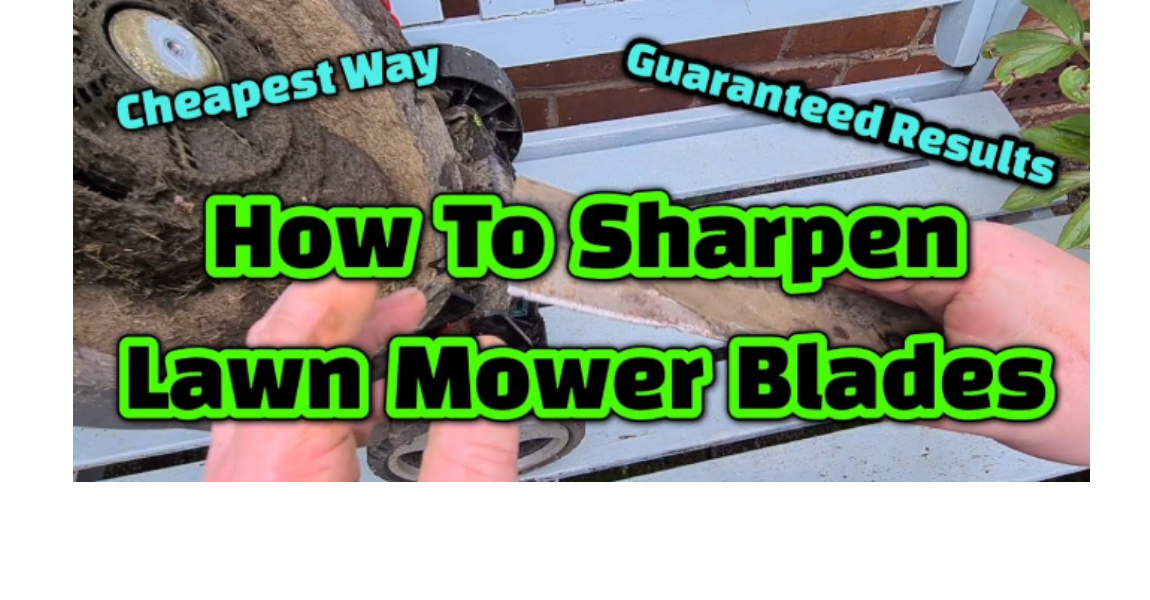
How To Sharpen Ryobi Lawn Mower Blades?
A sharp lawn mower blade cuts grass cleanly. A dull blade tears grass. Torn grass turns brown. The yard looks rough and weak. Many homeowners face this problem without knowing the reason. Sharp blades fix it. Clean cuts protect the grass. Smooth cuts help the lawn grow evenly.
A Ryobi lawn mower needs the same care as any other mower. The blade works hard every time it cuts. Dirt, small stones, and rough patches reduce sharpness. The blade becomes dull after weeks of mowing. A simple sharpening process brings it back to life. The job looks hard, but the steps stay simple with clear instructions.
Good sharpening gives better results. The mower uses less effort. The battery or motor works smoother. The grass looks neat. The mower lasts longer. This guide explains everything in a slow and clear way. Each step stays easy to follow. Every important detail appears in simple words. You can learn the full process without stress.
Why Sharp Blades Matter
A sharp blade cuts grass in one clean movement. A dull blade hits the grass many times before cutting. This pulls the grass blades. The lawn starts to look uneven. The color changes. The mower makes more noise. The motor works harder.
Sharp blades also protect the mower. A clean cut needs less power. The battery lasts longer in each session. The mower does not strain. Smooth cutting also improves safety. The mower moves easily across the yard. You keep better control. A dull blade can cause vibration and rough movement.
The yard also benefits. Clean cuts help the grass stay healthy. The grass heals fast. The lawn grows thick. A sharp blade improves the full appearance of the yard.
Tools Needed for Sharpening
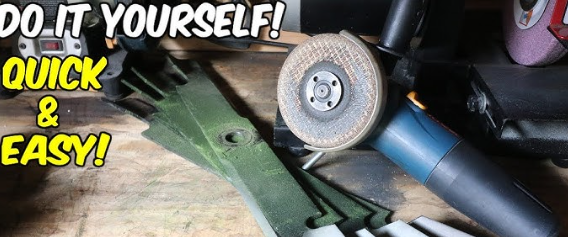
A few simple tools complete the job. Nothing complex. These items help you remove, sharpen, and reinstall the blade.
Basic Tools
-
Socket wrench
-
Work gloves
-
Safety glasses
-
Steel brush
-
File or angle grinder
-
Vice grip or clamp
Extra Support Items
-
Old cloth
-
Small marker
-
Sandpaper
-
Blade balancer
Each item helps one part of the process. Gloves protect your hands. A wrench removes the blade. A file or grinder sharpens the cutting edge. A vice holds the blade steady. Sandpaper cleans the surface. A blade balancer checks the weight on both sides.
Here is a simple table for quick reference:
Tool Purpose Table
| Tool | Main Purpose |
|---|---|
| Socket Wrench | Removes the blade bolt |
| File / Grinder | Sharpens the blade edge |
| Vice / Clamp | Holds the blade steady |
| Steel Brush | Cleans dirt and rust |
| Blade Balancer | Checks weight balance |
| Gloves & Glasses | Protect your hands and eyes |
How To Remove the Blade
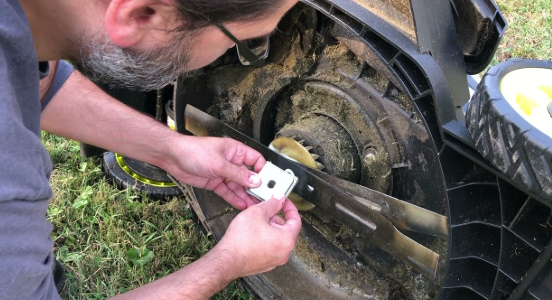
Preparation keeps you safe. A mower blade stays sharp even before sharpening. Gloves protect you from cuts.
The mower must stay turned off. A cordless Ryobi mower uses a battery. Remove the battery. A corded mower uses electricity. Unplug the cord. A gas mower uses a spark plug. Disconnect the wire. The goal is to stop any chance of the mower starting.
Tilt the mower on its side. Make sure the air filter stays on top if you use a gas model. This stops oil leaks. A battery mower does not have this issue. Keep the mower steady. Use a block of wood to stop blade movement.
Place the wrench on the bolt in the center of the blade. Turn the bolt counterclockwise. The blade comes loose. Mark the bottom side of the blade with a marker. This helps during installation.
How To Clean the Blade
A clean blade sharpens better. Dirt causes uneven sharpening. Rust reduces the strength of the blade. A clean surface helps you see the metal edge clearly.
A steel brush removes dry grass and mud. Sandpaper removes rust spots. Work across the full surface. The blade should look smooth. No dirt. No rough buildup.
This cleaning also helps you check for cracks. A cracked blade must not be sharpened. Replace it. Cracks weaken the blade. A weak blade creates danger. A clean blade gives a clear view of the metal. You can check the cutting edges. You can see the angles better.
How To Sharpen the Blade (Step-by-Step)

Sharpening needs slow and steady strokes. The blade should not lose too much metal. A simple file works well. A grinder works faster but needs more control.
Step 1: Secure the Blade
Place the blade in a vice. Tighten the vice. The blade should not move. A moving blade makes sharpening hard and risky.
Step 2: Follow the Original Angle
Every mower blade has a set angle. Follow that angle. A flat file slides with simple motions. Move the file in one direction. Make long strokes. The file removes small bits of metal. This sharpens the edge.
A grinder needs short and soft passes. Do not hold the grinder in one spot for a long time. This heats the metal. Hot metal becomes weak. Slow and steady grinding works best.
Step 3: Keep Both Sides Even
Each blade has two cutting sides. Sharpen both sides. Count the same number of strokes on each side. This keeps the blade balanced. An uneven blade creates vibration inside the mower.
Step 4: Smooth the Edge
After sharpening, use a fine file or sandpaper. This smooths the edge. A smooth edge gives cleaner cuts.
Step 5: Check the Sharpness
The blade should not feel razor sharp. A mower blade needs a strong edge. The edge should feel firm. It should not feel rough.
How To Balance the Blade
Balance helps the mower run smoothly. A heavy side makes the mower vibrate. A balanced blade gives clean and quiet cuts.
A blade balancer checks weight. Place the blade on the balancer. Check which side dips down. The heavy side needs a few more file strokes. Remove a little metal. Place the blade back on the balancer. Both sides should stay level.
A simple nail on a wall also works. Hang the blade through the center hole. If one side drops, file that side lightly. A balanced blade protects the motor. A balanced blade makes mowing easy.
How To Reinstall the Blade
Reinstallation looks simple but details matter. The marked side helps you place the blade correctly.
Place the blade back on the mower. Align the holes. Insert the bolt. Tighten the bolt clockwise with the wrench. The blade should feel firm but not over-tightened. Too much pressure can damage the bolt threads. Too little pressure lets the blade slip.
Keep the mower steady during tightening. Use a wood block to stop blade movement. Test the blade by turning it with your hand. It should not wobble.
Reconnect the battery or spark plug. The mower is ready.
Extra Tips for Long-Lasting Sharpness
Extra care keeps the blade sharp for a longer time. Small habits make a big difference.
Simple Tips
-
Clear small stones from the yard
-
Keep the grass dry before mowing
-
Clean the blade after each mow
-
Sharpen the blade every 20–25 hours of use
-
Replace the blade every season if you mow large yards
Dry grass cuts easier. Wet grass sticks to the blade. Stones damage the edges. Clean blades last longer. Regular sharpening helps the mower work smoothly.
Common Problems and Easy Fixes
Blade Feels Rough After Sharpening
This means uneven filing. Use sandpaper to smooth the edge.
Blade Vibrates During Mowing
The blade is unbalanced. Use a balancer and adjust.
Grass Looks Torn After Mowing
The blade needs more sharpening time.
Blade Bolt Feels Too Tight
Use a little force with the wrench. Do not add oil to the bolt.
Blade Makes Loud Noise
Something hits the blade under the mower. Clear the bottom area.
FAQs
How often should I sharpen a Ryobi mower blade?
Most yards need sharpening every 20 to 25 hours of mowing.
Can I sharpen the blade without removing it?
This creates safety risks. Removing the blade gives better control and better results.
Should the blade feel razor sharp?
No. A mower blade works best with a firm but not razor-thin edge.
What tool works best for sharpening?
A flat metal file works well for beginners. A grinder works faster but needs more control.
How do I know the blade is dull?
The lawn looks brown, uneven, or torn. The mower needs more passes to cut.
What happens if I skip sharpening?
The mower strains. The battery drains faster. The lawn looks weak.
Can I balance the blade without a balancer?
Yes. A nail on the wall works for checking weight tilt.
Does a new Ryobi mower blade need sharpening?
Fresh blades come ready to use. Sharpening is not needed.
How long does sharpening take?
A simple sharpen takes 10–15 minutes.
Should I replace the blade after a crack?
Yes. A cracked blade is unsafe.
Conclusion
A sharp Ryobi mower blade creates a clean and healthy lawn. The mower works smoothly. The yard looks fresh. The sharpening steps stay simple with careful hands. Each stage needs basic tools and a little patience. A well-sharpened blade saves time, power, and effort. Regular maintenance protects the mower and keeps the lawn in good shape.


