How to Reset Ryobi Pressure Washer?
A Ryobi pressure washer removes deep dirt with ease. It cleans driveways, decks, walls, and cars fast. It pushes water at high pressure, so the pump, motor, and power system work under load.
This load creates small faults at times. The washer may stop. The pressure may drop. The plug may trip. A button may freeze.
A reset brings the washer back. A simple click. A small pause. A fresh start. It works for most electric Ryobi models, from compact units to high-pressure versions.
This long guide explains everything you need. Clear steps. Easy words. Direct action. You do not need advanced skill. You only need patience and a little care.
By the end, you will understand:
-
How the reset works
-
Why the reset helps
-
What causes shutdowns
-
How to fix pressure loss
-
How to clean nozzles and filters
-
What parts control power
-
How to keep the washer healthy
-
Safety rules
-
Troubleshooting tables
-
Extra reset methods that many beginners forget
Simple. Complete. Clear.
Why Your Ryobi Washer Stops Working
Most Ryobi electric pressure washers shut off for two main reasons:
-
Electrical interruption
-
Water supply issue
Small issues inside these two areas create big problems. A GFCI trips. A motor overloads. A pump fills with air. A nozzle blocks up. The washer stops and the user feels confused.
This guide tackles all of these issues through proper reset steps, deeper checks, and realistic solutions.
What You Need Before Resetting
A few items and conditions make the reset safe and easy.
-
A dry outdoor outlet
-
A steady water source
-
No sharp bends in the hose
-
A clean spray nozzle
-
Dry hands
-
A stable surface
-
No children or pets near the work area
These basics prevent sudden shock, slips, or leaks.
Why Resets Fix Many Ryobi Issues
A reset clears electrical confusion. It tells the motor and pump to restart clean. Many pressure washer faults are temporary. They appear because a sensor reacts to something small.
Resets help because:
-
They end overload cycles
-
They refresh the GFCI control
-
They clear internal switches
-
They give the pump time to balance pressure
-
They allow the motor to cool
-
They remove false error conditions
Sometimes the washer stops not because of damage, but because a safety feature did its job.
Main Reset Steps
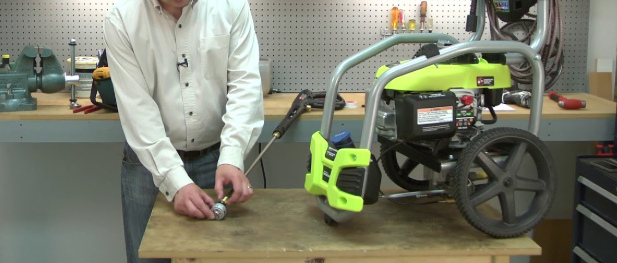
Here is the deep, expanded reset process with more guidance and explanation so beginners understand each step.
Step 1 — Turn Off the Pressure Washer
Flip the main power switch to OFF.
This step protects the motor and pump. The machine stops the cycle and releases internal tension.
A running motor should never be reset. A reset must start from a full stop.
Step 2 — Unplug the Washer
Remove the plug from the outlet.
This clears all electrical memory inside the GFCI system. The washer rests without current. This prevents sparks and saves the plug from damage.
Step 3 — Press the GFCI Reset Button
The GFCI plug sits on the power cord. It has two buttons:
-
TEST
-
RESET
Press RESET firmly.
You may hear a soft click. This means the GFCI is active again.
If the button does not stay in place, the outlet may be wet or the power supply may be low.
Step 4 — Plug the Washer Back In
Insert the plug back into the outlet.
Make sure the plug fully enters the socket. Loose plugs trigger GFCI trips and unstable power.
Outdoor outlets must be dry and grounded.
Step 5 — Connect Garden Hose
Connect your hose tightly to the water inlet.
Turn the hose clockwise until snug. A loose connection pulls air into the pump, which leads to low pressure and sudden shut-offs.
Step 6 — Turn Water Flow On
Open the spigot all the way.
Let water run for a few seconds before starting the washer. This pushes trapped air out of the hose.
The pump needs a full stream of water. Not half flow. Not interrupted flow. Strong and steady.
Step 7 — Turn the Washer On
Now flip the power switch again.
The washer should start clean and stable. Your reset is complete.
A Second Reset Method (Motor Protection Reset)
Ryobi washers have a motor that stops itself if it becomes too stressed. This self-protection is normal. A short reset fixes it.
Steps:
-
Switch the washer off
-
Release the trigger on the spray wand
-
Wait 20–40 seconds
-
Press the GFCI reset button
-
Turn the washer on again
-
Squeeze the trigger to build pressure
This method works for sudden shut-offs caused by overheating or overload.
Why the GFCI Plug Trips
The GFCI plug keeps you safe. It cuts power fast. Very fast. But sometimes it becomes too sensitive.
Main reasons for GFCI tripping:
-
Moisture in the outlet
-
Weak power supply
-
Thin extension cord
-
Loose wiring inside the outlet
-
High motor load
-
Sudden voltage change
-
Damaged cord
-
Dirt inside nozzle causing back pressure
A reset helps if the cause is minor. Bigger problems need inspection.
Detailed Troubleshooting Before You Reset
Sometimes the washer fails not because of electrical problems but because of water or pressure issues. These checks prevent repeated resets.
Check Water Supply Strength
Weak water flow causes sudden stop or weak pressure.
Make sure:
-
Spigot is fully open
-
Hose has no bends
-
Hose is not too long
-
Filter is clean
-
Water pressure from house is enough
Strong water flow is the heart of pressure washing.
Check the Spray Nozzle
Dirt blocks the tiny hole in the nozzle. This leads to sudden shut-off or heavy vibration.
Steps to clean:
-
Remove the nozzle
-
Insert the cleaning pin
-
Rotate pin gently
-
Rinse under water
-
Attach the nozzle again
Simple cleaning boosts pressure and protects the motor.
Check the Filter Screen
Ryobi washers have a small filter where the hose attaches.
-
Remove the filter
-
Rinse it under strong water
-
Put it back in place
A dirty filter slows the pump. The pump strains. The motor stops. A reset helps but cleaning is the real fix.
Check for Air in the Pump
Air pockets cause the pump to run unevenly. This leads to motor stop.
Fix:
-
Turn water on
-
Release trigger
-
Let water flow until air escapes
-
Start washer after this
Water must fill the pump fully before pressure builds.
Troubleshooting
| Problem | Cause | Fix |
|---|---|---|
| Washer stops | Motor overload | Turn off & reset |
| Weak pressure | Clogged nozzle | Clean nozzle |
| Washer trips power | Wet outlet | Dry outlet |
| Vibrating washer | Air in pump | Purge air with water |
| Motor hums but no pressure | Blocked filter | Rinse filter |
| Washer leaks | Loose hose | Tighten hose |
| Sudden drop in pressure | Worn nozzle | Replace nozzle |
| Trigger stiff | Dirt inside wand | Flush wand |
| GFCI clicks repeatedly | Faulty outlet | Try new outlet |
| Pressure spikes | Wrong nozzle size | Swap nozzle |
Reset Areas of the Washer
| Area | Purpose | Reset Method |
|---|---|---|
| Power switch | Starts motor | Turn off, wait, turn on |
| GFCI plug | Safety cut-off | Press RESET button |
| Motor | Drives pump | Cool for 5–10 minutes |
| Pump | Builds pressure | Run water through |
| Nozzle tip | Controls spray | Clean or swap |
| Filter | Catches debris | Rinse under water |
| Wand trigger | Controls flow | Release pressure |
Signs Your Ryobi Washer Needs a Reset
These signs show the washer is stuck and needs a quick reset.
-
Washer makes clicking sound
-
Motor starts then stops
-
Pressure drops suddenly
-
GFCI light goes off
-
No motor sound
-
Wand trigger does nothing
-
Washer jerks but will not run
-
Button lights fade
-
Washer runs but pressure disappears
A reset often solves these problems in seconds.
Deep Reasons Behind Ryobi Washer Shutdown
For better understanding, here are detailed explanations of why shutdowns occur.
Thermal Overload
The motor protects itself.
Heat builds from long use. The system shuts down. A reset cools and restarts it.
Pump Back Pressure
If the nozzle blocks, pressure rises inside the pump.
The motor shuts down to avoid damage. Cleaning and resetting helps.
Voltage Drop
Outdoor outlets have unstable voltage at times.
The GFCI cuts power. A reset restores it.
Air Block in Pump
Air interrupts pressure flow.
Motor gets confused. Pump does not build pressure. A reset helps once air is removed.
Water Filter Blockage
Debris stops water.
Pump gets starved. Motor stops. Reset helps but cleaning is the real fix.
Advanced Reset Tips Many Beginners Miss
These extra tricks often restore stubborn washers.
Try a Different Outlet
Some outlets provide weak current. A fresh outlet gives better power flow.
Release All Pressure Before Reset
Squeeze the trigger to remove leftover pressure inside the pump.
This reduces motor load when restarting.
Keep Hose Short
Long hoses drop water pressure.
Shorter hose gives stronger flow. Stronger flow prevents overheat.
Use Correct Nozzle Angle
Some users push the nozzle tip too close to the surface.
This strains the pump and causes shutdown.
Keep a small distance. The washer runs smoother.
Safety Tips Before Resetting
Safety matters at all stages.
-
Keep hands dry
-
Stand away from puddles
-
Wear eye protection
-
Do not spray toward people
-
Check cord for cuts
-
Keep washer at your side, not behind you
-
Keep pets away
-
Turn off washer when switching nozzles
These basic steps prevent shock or injury.
How to Prevent Future Shutdowns
A reset helps today. Good care helps every day.
Clean Nozzle Weekly
Small dirt creates big problems.
Rinse Filter Often
Debris builds fast.
Store Washer in a Dry Area
Moisture damages plugs and motor parts.
Use Heavy-Duty Extension Cord Only
Thin cords overheat and trip the GFCI.
Avoid Long Uninterrupted Use
Rest the washer every 20–30 minutes.
FAQ’s
1. Why does my Ryobi washer turn off after a few minutes?
The motor overheats or water flow is weak. A reset fixes this issue.
2. Where is the reset button?
On the GFCI plug attached to the power cord.
3. Can low water pressure cause shutdown?
Yes. The pump needs strong flow.
4. Why does the washer vibrate?
Air inside the pump causes this.
5. Can a clogged nozzle stop the washer?
Yes. The pump builds too much pressure and stops.
6. Why does the GFCI trip often?
Weak outlet or moisture in the plug.
7. Do I need tools for a reset?
No. Only your hands.
8. Can I reset during heavy rain?
No. Water near power is unsafe.
9. Should I press the test button?
No. Use the reset button only.
10. What do I do if reset does not work?
Try a new outlet, clean filter, or cool the motor.
Conclusion
A Ryobi pressure washer helps clean many areas fast. It works under pressure, so it stops at times. Small faults cause shutdowns, low pressure, or GFCI trips. A reset brings the washer back. Turn the unit off. Unplug it. Press the reset button on the GFCI. Plug it back in. Turn the water on. Start the washer again.
A reset often fixes electrical faults, overload problems, and mild pressure issues. Cleaning the nozzle, keeping strong water flow, and checking the filter also help. Safety and good maintenance keep the washer strong for a long time.