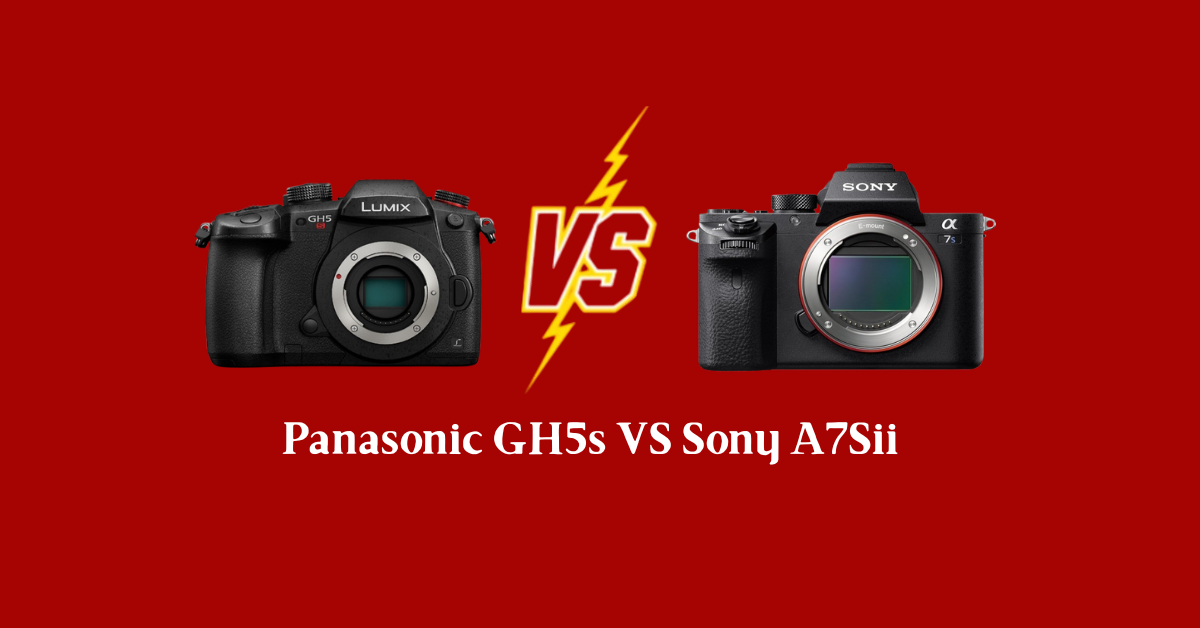
Panasonic GH5S vs Sony A7S II: Low-Light Legends Face Off
Two cameras stand out for filmmakers and low-light shooters: the Panasonic GH5S and the Sony A7S II. Both models built loyal followings for their outstanding video capabilities and ability to perform in challenging lighting conditions.
The Panasonic GH5S delivers impressive 4K footage with rich detail and strong color science, all packed inside a durable, lightweight body. The A7S II offers a full-frame sensor that captures stunning low-light scenes with incredible clarity and depth.
Each camera serves a different creative style—Panasonic focuses on versatility and advanced video tools, while Sony prioritizes dynamic range and sensitivity. The GH5S appeals to content creators who value flexibility, while the A7S II attracts professionals chasing cinematic quality.
Understanding the strengths of each helps determine which one brings your vision to life with sharper details, smoother footage, and better performance in every lighting situation.
Panasonic GH5S vs Sony A7S II: Let’s Us Find Which Is The Best For You?
Capturing moments in perfect clarity takes more than just skill — it requires the right camera. The Panasonic GH5S and Sony A7S II are two powerful mirrorless options known for their video performance and low-light capability. Both target filmmakers, content creators, and serious photographers who value image quality and control. Yet, they serve slightly different needs. This detailed comparison breaks down their key features, pros, and cons to help you decide which camera fits your creative style best.
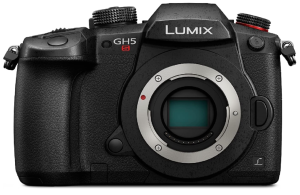
Panasonic Lumix GH5S
About This Tool
The Panasonic Lumix GH5S is designed for professionals who focus on video production. It features a 10.2-megapixel Micro Four Thirds sensor that excels in low light. Its dual native ISO and 4K recording abilities make it a favorite among filmmakers. With solid build quality and professional connectivity, the GH5S delivers excellent performance even in tough conditions.
Features
-
10.2MP Micro Four Thirds MOS sensor
-
Dual Native ISO for clean low-light images
-
4K and Cinema 4K recording in 10-bit 4:2:2 internally
-
Up to 240fps in Full HD slow motion
-
Weather-sealed magnesium alloy body (splash, dust, and freezeproof)
-
Timecode in/out for multi-camera sync
-
Anamorphic video support for cinematic production
-
Dual SD card slots (UHS-II compatible)
-
Wi-Fi and USB-C connectivity
What We Like
The GH5S stands out for its low-light performance and versatility in video recording. Its 10-bit 4:2:2 capture ensures vibrant color depth. The rugged body inspires confidence for outdoor or field shooting. The dual card slots are a nice touch for extended projects. It also has a wide range of frame rates, giving creators flexibility for slow motion or cinematic visuals.
What We Didn’t Like
Its 10.2MP sensor, while great for video, is less ideal for high-resolution photography. The lack of in-body image stabilization might disappoint users who shoot handheld often. The autofocus performance feels a little slower compared to some newer cameras.
My Opinion
The GH5S is made for professionals who shoot video first and photos second. Its color science, bitrate control, and creative tools make it a strong choice for filmmakers. It’s not the camera for everyone, but for serious video work, it’s hard to beat at this level.
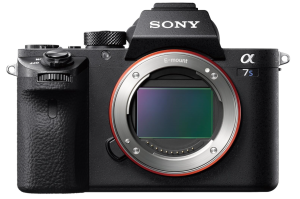
Sony A7S II
Product Details
The Sony A7S II continues Sony’s legacy of full-frame excellence. With a 12.2MP Exmor CMOS sensor, it offers stunning low-light performance and wide dynamic range. It’s designed for creators who want full-frame depth and strong image quality without needing heavy post-processing.
Features
-
12.2MP full-frame Exmor CMOS sensor
-
5-axis optical image stabilization
-
ISO range up to 409,600 for extreme low light
-
4K internal recording with full pixel readout (no pixel binning)
-
120fps in Full HD for smooth slow motion
-
BIONZ X processor for fast image processing
-
S-Log2 and S-Log3 picture profiles for color grading
-
Articulating 3-inch LCD screen
-
Electronic viewfinder with 0.78x magnification
-
Wi-Fi and NFC connectivity
What We Like
The A7S II is outstanding in low-light conditions. Its 5-axis stabilization gives smooth footage, even handheld. The color depth and dynamic range provide excellent post-production control. The full-frame sensor adds beautiful background blur and superior depth of field. It’s compact and well-built, suitable for both handheld and tripod shooting.
What We Didn’t Like
Battery life could be better, especially during 4K recording. The menu system feels complex, especially for beginners. It’s not the fastest camera for stills, and the autofocus, though reliable, is slower than more modern systems.
My Opinion
The Sony A7S II shines in cinematic storytelling. It captures emotion and detail in low light where many cameras fail. It’s ideal for content creators, videographers, and photographers who demand top performance from a compact full-frame system.
Detailed Comparison: Panasonic GH5S vs Sony A7S II
Both cameras target professionals but approach imaging differently. The GH5S uses a Micro Four Thirds sensor while the A7S II offers a full-frame one. The GH5S focuses heavily on video tools, color grading flexibility, and frame rate options. It can record Cinema 4K at 10-bit 4:2:2 internally — a big plus for professionals needing detailed color control.
The Sony A7S II takes the lead in low-light performance thanks to its larger full-frame sensor and ISO range up to 409,600. It also includes 5-axis stabilization, giving it an advantage for handheld shots.
In terms of design, both cameras feel solid, but the GH5S is slightly tougher, built to resist dust, splash, and freezing temperatures. Sony’s ergonomics are comfortable, and the electronic viewfinder is bright and sharp.
For video shooters, the GH5S offers more professional features, such as anamorphic support, timecode synchronization, and unlimited recording time. For hybrid shooters, the A7S II gives more flexibility between photography and video with that full-frame look.
Ultimately, the choice depends on your workflow. The GH5S wins in flexibility and customization for filmmakers, while the A7S II delivers unmatched full-frame low-light performance.
FAQs
1. Which camera is better for low-light video?
The Sony A7S II performs better in extreme low light due to its full-frame sensor and higher ISO range.
2. Does the Panasonic GH5S have in-body stabilization?
No. It relies on lens-based stabilization, while the GH5 model includes IBIS.
3. Can both cameras shoot in 4K?
Yes. Both record 4K internally, but the GH5S offers 10-bit color depth for richer tones.
4. Which is more durable for outdoor use?
The GH5S has a tougher build with full weather sealing, making it more reliable for outdoor shooting.
5. Which one is better for photography?
The A7S II’s full-frame sensor provides better still image quality and shallower depth of field. The GH5S is more video-oriented.
6. Do both cameras support external recording?
Yes, both have HDMI output for external recorders, allowing higher bitrates and extended workflows.
7. Which one has a better autofocus system?
Sony’s hybrid autofocus is slightly faster and more accurate than Panasonic’s contrast-detection system.
Conclusion
The Panasonic GH5S and Sony A7S II are both excellent tools for serious creators. The GH5S focuses on versatility, professional-grade recording formats, and reliability in the field. The A7S II shines in cinematic image quality, full-frame performance, and low-light strength.
If your work centers on professional filmmaking and color control, the GH5S is a smart pick. If you want full-frame depth, stunning night shots, and simplicity in post-production, the A7S II fits perfectly. Both deliver excellent results — your creative needs decide the winner.