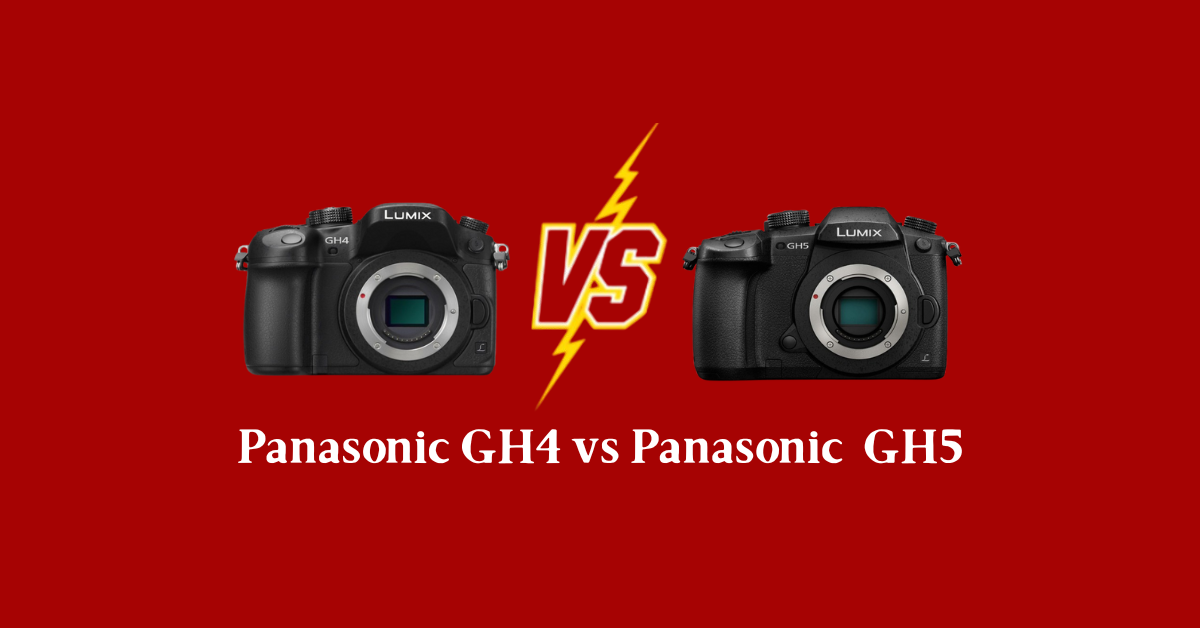
Panasonic GH4 vs GH5: The Evolution of a Filmmakers Favorite
Panasonic’s GH series has long stood out among mirrorless cameras for its video performance and reliability. The GH4 made waves as one of the first affordable cameras to offer 4K recording, setting a new standard for content creators.
The Panasonic GH5 built on that success with advanced features that pushed video quality and control even further. Both cameras deliver professional-level results in compact bodies, appealing to filmmakers, vloggers, and hybrid shooters who value flexibility.
The Panasonic GH4 remains a strong option for those who prioritize value and simplicity, while the GH5 introduces higher frame rates, improved stabilization, and superior color depth for demanding productions. Each model reflects Panasonic’s focus on performance and innovation in video-centric mirrorless design.
Understanding how their strengths differ helps photographers and videographers pick the right tool for their creative work and budget. The GH4 started a legacy; the GH5 refined it to near perfection.
Panasonic GH4 vs GH5: A Complete Comparison for Hybrid Creators
The Panasonic GH series has long been a favorite among filmmakers, vloggers, and photographers. The GH4 marked a turning point for mirrorless video cameras, and the GH5 built on that success with stronger features, better stabilization, and higher image quality.
Both cameras share the same Micro Four Thirds mount, making them compatible with a wide range of lenses. But their real difference lies in performance, usability, and creative control. The GH4 offers excellent 4K video at a lower cost, while the GH5 raises the bar for both stills and video with its new sensor, faster processor, and 5-axis stabilization. Let’s explore both cameras side by side to help you decide which one fits your style best.
Panasonic LUMIX GH4
About This Tool
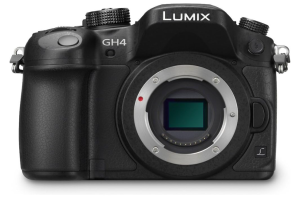
The Panasonic GH4 is a hybrid camera designed for both professional photographers and videographers. It features a 16.05-megapixel Digital Live MOS sensor powered by a Venus Engine IX processor. This setup captures detailed photos and 4K cinematic video.
The GH4 was one of the first affordable cameras to shoot both DCI 4K (4096×2160) and UHD 4K (3840×2160) internally. Its magnesium alloy body is built for heavy use, and it’s weather-sealed for durability. The 49-point autofocus system is fast and accurate, whether shooting stills or recording video.
It also includes Wi-Fi and NFC connectivity for easy file transfer and remote shooting. The fully articulating OLED touchscreen and electronic viewfinder make framing shots simple from any angle.
Features
-
16.05MP Digital Live MOS Sensor
-
Venus Engine IX Processor
-
DCI 4K (4096×2160) and UHD 4K (3840×2160) recording
-
49-point contrast-detection AF system
-
12 fps continuous shooting
-
1/8000-second maximum shutter speed
-
3-inch OLED touchscreen display
-
Electronic OLED viewfinder
-
Wi-Fi and NFC connectivity
-
Durable magnesium alloy body
What We Like
The GH4 stands out for its video quality. The internal 4K recording was rare at its release, and it still produces sharp, cinematic footage today. The autofocus system is quick, and the range of customizable settings gives professionals full control.
The build quality feels solid and reliable. It’s lightweight yet rugged enough for outdoor or event shooting. The flexible screen and high-resolution viewfinder make composing easy in all conditions.
The camera’s menu is straightforward, and the controls are well-placed for fast access during shooting. It’s a strong performer in both photography and video.
What We Didn’t Like
The GH4 lacks in-body image stabilization, which limits handheld video recording. Low-light performance is average compared to newer models. Noise appears at higher ISO levels, especially above ISO 3200.
Battery life is decent, but the single SD slot limits backup options during long shoots. The absence of sensor-shift stabilization also means you’ll need stabilized lenses for smooth handheld shots.
My Opinion
The GH4 remains an excellent entry-level option for filmmakers and hybrid creators. It’s reliable, easy to use, and offers impressive 4K performance for its price. While it shows its age in stabilization and ISO handling, it still delivers quality results in capable hands. If you’re starting in video production or need a budget-friendly camera that still performs like a pro, the GH4 is a solid choice.
Panasonic LUMIX GH5
About This Tool
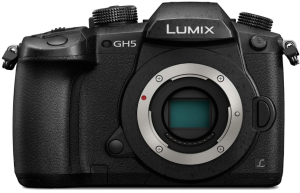
The Panasonic GH5 took everything great about the GH4 and made it even better. It features a new 20.3-megapixel Digital Live MOS sensor with no low-pass filter, producing sharper images and improved color depth. The Venus Engine 10 processor offers faster readout, better noise control, and more realistic textures.
The GH5 adds 5-axis Dual I.S. 2.0 stabilization, allowing handheld shooting with minimal shake. It records 4K 60p video internally, supports 10-bit 4:2:2 color, and offers advanced recording modes like 6K Photo. Its magnesium alloy body is splash-proof, dust-proof, and freeze-proof, making it a tough companion for outdoor use.
Connectivity has been upgraded too. With twin SD card slots, full-size HDMI output, and Bluetooth and Wi-Fi, it’s ready for both studio and field work.
Features
-
20.3MP Micro Four Thirds sensor (no low-pass filter)
-
Venus Engine 10 processor
-
5-axis Dual I.S. 2.0 stabilization
-
4K 60p and 4:2:2 10-bit internal recording
-
6K Photo mode for 18MP stills
-
Dual SD card slots (UHS-II compatible)
-
Splash, dust, and freeze-resistant body
-
Full-size HDMI and 3.5mm mic/headphone jacks
-
OLED electronic viewfinder (3680k dots)
-
Bluetooth and Wi-Fi connectivity
What We Like
The GH5’s image and video quality are exceptional. The higher resolution sensor produces crisp stills, and the 5-axis stabilization allows smooth handheld footage. The 4K 60p recording is silky and professional-grade, making it perfect for filmmakers.
Dual card slots add reliability, while the magnesium body gives confidence during long or harsh shoots. The touchscreen is larger and brighter than before, and the viewfinder is one of the clearest in its class.
Color reproduction is vibrant yet natural, and the GH5 handles high ISO better than the GH4. The improved autofocus system is faster, especially during video capture.
What We Didn’t Like
The GH5 is heavier than the GH4, which may affect long handheld sessions. Its price is higher too, though it matches the features you get. Autofocus in low light can still struggle occasionally, and the menus might feel complex to beginners.
Battery life is solid but can drain quickly during 4K or 6K shooting. It’s a professional camera, so beginners might find it more advanced than necessary.
My Opinion
The GH5 is one of the best hybrid cameras Panasonic has made. It blends professional-grade photo and video performance in one tough, compact body. It’s ideal for creators who shoot both formats and need consistent results across all conditions.
Its 5-axis stabilization and 4K 10-bit recording make it a favorite among vloggers, wedding filmmakers, and YouTube content creators. The GH5 truly bridges the gap between mirrorless and cinema cameras.
Detailed Comparison: Panasonic GH4 vs GH5
Both cameras share the same Micro Four Thirds mount and design philosophy, but the GH5 is clearly a more refined version.
Sensor and Image Quality:
The GH4 uses a 16MP sensor, while the GH5 jumps to 20.3MP without a low-pass filter. The GH5 produces sharper images with better color depth and dynamic range. It also handles noise better at high ISO levels.
Video Recording:
The GH4 records 4K up to 30p, while the GH5 pushes to 4K 60p with 10-bit color. This means smoother motion and richer color grading options for filmmakers. The GH5 also adds 6K Photo mode, which lets you extract 18MP stills from video clips.
Stabilization:
The GH4 has no in-body stabilization, while the GH5 features 5-axis Dual I.S. 2.0. This is a major upgrade for handheld shooting, reducing blur in both stills and videos.
Autofocus:
Both cameras use contrast-detection autofocus, but the GH5’s system is faster and more accurate. It tracks subjects better, especially during continuous video recording.
Body and Build:
Both have durable magnesium-alloy bodies, but the GH5 adds full weather sealing. It’s splash-proof, dust-proof, and freeze-proof down to -10°C, making it more suitable for outdoor professionals.
Connectivity:
The GH5 introduces twin SD card slots and a full-size HDMI output, both missing on the GH4. It also includes Bluetooth for easier pairing.
Ease of Use:
The GH4 is simpler and lighter, making it ideal for beginners. The GH5, while heavier, offers a more complete toolset for professionals.
Price and Value:
The GH4 remains an affordable choice for creators on a budget. The GH5, though pricier, delivers professional-grade features that justify the cost.
Overall Difference:
The GH4 is a great start for those entering 4K production. The GH5 is the next level, offering better stabilization, higher quality, and pro-level flexibility.
FAQs
1. Is the GH5 better than the GH4 for video?
Yes. The GH5 records 4K 60p with 10-bit color depth, offering smoother motion and more detail in color grading.
2. Does the GH5 have image stabilization?
Yes. The GH5 includes 5-axis Dual I.S. 2.0, which stabilizes both stills and videos, even with non-stabilized lenses.
3. Can the GH4 still record high-quality 4K video?
Absolutely. The GH4 still delivers excellent 4K footage up to 30p. It’s reliable for most creative projects, though it lacks stabilization.
4. Which camera performs better in low light?
The GH5 performs better due to its newer sensor and improved noise handling.
5. Are GH4 and GH5 lenses interchangeable?
Yes. Both use the Micro Four Thirds mount, so any compatible lens will work on both cameras.
6. Is the GH5 suitable for beginners?
It can be, but it’s more advanced. Beginners may find the GH4 easier to start with, while the GH5 suits users ready to explore manual and professional controls.
7. Does the GH5 have dual card slots?
Yes. The GH5 features two UHS-II SD slots for backup or extended recording.
Conclusion
Both the Panasonic GH4 and GH5 are strong cameras that blend photo and video capabilities in one system. The GH4 remains a dependable option for creators who want professional 4K video at a lower cost. It’s simple, durable, and still delivers quality results.
The GH5, on the other hand, refines everything the GH4 started. It offers sharper images, smoother video, in-body stabilization, and advanced recording formats. It’s designed for professionals who demand flexibility and top performance. In short, the GH4 is the smart starter. The GH5 is the professional upgrade. Your choice depends on how far you want to go in your creative journey.