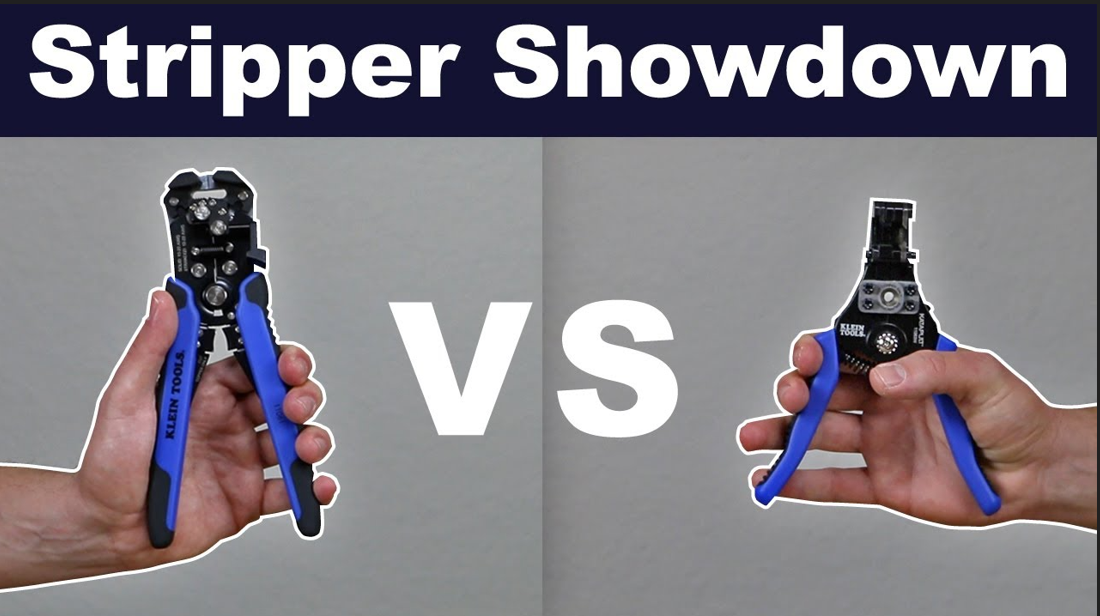
Klein Tools 11061 vs 11063 [Which Wire Stripper Delivers Better Control and Precision?]
Electricians demand clean cuts, tight grips, and consistent performance from every tool in their pouch. The debate between the Klein Tools 11061 and the Klein Tools 11063 often centers on precision, comfort, and versatility.
Both models target professionals who handle solid and stranded wire daily, yet each one brings distinct strengths to the jobsite. The 11061 focuses on straightforward stripping tasks with reliable tension and a compact frame.
The 11063 expands functionality with added cutting and looping features that speed up repetitive work. Grip design, jaw capacity, and durability also influence long-term performance.
This comparison breaks down real-world usability, build quality, and value so you can decide which model fits your workflow and wiring demands without guesswork.
Klein Tools 11061 vs 11063 – Complete Comparison for Electricians and DIY Users
Wire stripping stands at the center of electrical work. Every connection depends on clean copper exposure and accurate insulation removal. A poor strip creates loose terminals, heat buildup, or unreliable circuits.
Professionals understand that the right stripping tool saves time while protecting wire quality. Beginners often discover this lesson after damaging several wires with cheap tools.
Klein Tools has built a strong reputation among electricians for durable hand tools designed around real jobsite needs. Two popular models often compared are the Klein Tools 11061 Self-Adjusting Wire Stripper and the Klein Tools 11063 Katapult Wire Stripper.
Both tools aim to simplify stripping tasks, yet they approach the job differently. One focuses on versatility and automation. The other focuses on mechanical strength and precision control.
This guide explains every detail in depth so you can decide which tool fits your daily work style.
Klein Tools 11061 Self-Adjusting Wire Stripper / Cutter
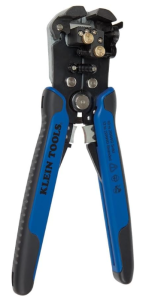
The 11061 targets users who deal with many wire types during one job. Electricians moving between outlets, panels, and HVAC wiring need flexibility. This model attempts to remove adjustment steps and speed up workflow.
Product Details
Klein Tools designs the 11061 with a blue and black finish and an ergonomic handle shape that supports long working sessions. The tool measures about 8.25 inches long and provides enough leverage without feeling overly heavy.
A blended material construction keeps weight manageable while maintaining strength for daily electrical work. The stripping range covers 10–20 AWG solid wire and 12–22 AWG stranded wire.
The tool also strips 12/2 and 14/2 Romex cable, which makes it useful for residential wiring projects. An adjustable stopper allows users to control strip length, while an integrated cutter adds convenience during repetitive installations.
Electricians working across multiple systems often appreciate tools that reduce constant adjustments. The 11061 tries to accomplish exactly that.
Features
Self-Adjusting Stripping Mechanism
The self-adjusting head removes the need to select wire gauge manually. You insert the wire and squeeze the handle. The jaws automatically adapt to wire size and remove insulation in one smooth motion. This design reduces setup time and helps beginners avoid common stripping errors.
Repeated stripping tasks become faster because the tool adapts instantly to changing wire gauges. Panel wiring often involves several sizes of wire in a short period. Manual adjustment slows productivity, while automatic adjustment keeps work moving steadily.
Adjustable Strip Length Stopper
Consistency matters during outlet and switch installations. The adjustable stopper allows identical strip lengths across multiple wires. Electricians no longer need to measure each wire individually. Over dozens of connections, this small feature saves significant time and ensures professional results.
Uniform stripping also improves connection reliability since terminals receive equal copper exposure every time.
Tension Adjustment Thumb Wheel
Smaller gauge wires require gentle handling. Excess pressure can nick copper strands and weaken conductivity. The tensioning thumb wheel allows users to fine-tune stripping force. HVAC technicians working with thermostat wires benefit greatly from this control.
Precision adjustment turns the tool into a flexible solution for both delicate and standard wiring.
Integrated Wire Cutter
Switching tools repeatedly interrupts workflow. The built-in cutter allows quick trimming without reaching for another tool. Electricians performing repetitive cuts notice faster progress throughout the day.
Romex Jacket Stripping Capability
Residential electricians often strip outer cable jackets before working with internal conductors. The 11061 supports this task directly. Many standard wire strippers cannot remove NM cable jackets effectively, which makes this feature highly practical for home wiring projects.
What We Like
Versatility stands out immediately during real use. One tool handles multiple wire types without constant adjustments. Electricians who move between different tasks appreciate fewer interruptions.
The adjustable stopper improves speed during repetitive installations such as outlets or lighting circuits. Ergonomic grips help reduce hand fatigue during long work sessions. HVAC users gain extra control thanks to the tension adjustment feature.
Romex stripping capability adds another layer of usefulness rarely found in similar tools.
What We Didn’t Like
Plastic components reduce overall rugged feel compared to all-metal tools. Heavy industrial environments may cause faster wear over many years of hard use. The longer body size can feel slightly bulky inside tight electrical boxes.
Precision sometimes requires minor tension adjustment when working with very thin wires. Users expecting perfect results without adjustment may need a short learning period.
My Opinion
The 11061 works best for electricians who value flexibility over raw durability. Residential wiring, maintenance work, and HVAC installations benefit greatly from its automatic design.
Beginners learn faster because the tool removes guesswork. Professionals save time because adjustments become unnecessary. Daily workflow feels smoother with fewer interruptions. That advantage matters more than raw strength for many users.
Klein Tools 11063 Katapult Wire Stripper / Cutter
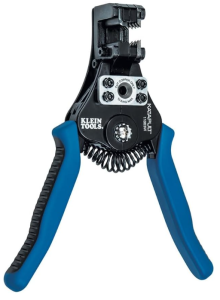
The 11063 Katapult takes a different path. Instead of automation, it focuses on mechanical efficiency and durability. This tool appeals to professionals who prefer strong construction and predictable performance.
Product Details
The 11063 features a compact body measuring about 6.63 inches long. A cast alloy chassis provides durability and resistance against jobsite wear. Klein Tools applies a heavy-duty Ecoat finish that protects against corrosion and environmental exposure.
The stripping range includes 8–20 AWG solid wire and 10–22 AWG stranded wire. A compound action mechanism multiplies hand force, allowing easier stripping with less effort. Precision-machined stripping holes protect copper conductors while removing insulation cleanly.
This model emphasizes reliability and mechanical consistency.
Features
Compound Action Stripping Design
Compound action means the mechanism amplifies squeezing force. Less hand strength produces stronger stripping power. Electricians working long hours notice reduced fatigue compared to traditional strippers.
Repeated stripping tasks become easier because effort remains consistent throughout the day.
Precision Machined Stripping Holes
Accurate stripping holes grip insulation tightly without cutting into copper. Clean stripping prevents electrical resistance problems and ensures solid connections. Professionals value repeatable results, especially in panel wiring where reliability matters most.
Tension-Loaded Wire Grip
The gripping system holds wire securely while maintaining cable shape. Stranded wire often deforms under excessive pressure. The tension-loaded system prevents flattening and keeps conductors intact.
Durable Metal Construction
Cast alloy construction creates a strong, long-lasting tool. Service technicians who carry tools daily benefit from increased durability. The Ecoat finish protects against rust and wear in humid or outdoor environments.
Compact Form Factor
Shorter length improves maneuverability in crowded electrical panels. Control feels precise during detailed work inside tight spaces.
What We Like
The tool feels solid and professional immediately. Metal construction inspires confidence during heavy use. Compound action reduces hand strain during large projects. Compact size improves access inside panels and junction boxes.
Clean stripping results reduce rework and improve connection quality.
What We Didn’t Like
The tool lacks Romex jacket stripping capability. Residential electricians may need an additional tool for that task. No adjustable length stopper exists, which slows repetitive installations slightly.
The heavier metal feel may not appeal to users who prefer lighter tools.
My Opinion
The 11063 suits electricians who prioritize durability and consistent mechanical performance. Panel wiring and service work highlight its strengths. Professionals who prefer traditional control over automated systems will likely enjoy this model more.
Strength and reliability define this tool.
Detailed Comparison: Klein Tools 11061 vs 11063
Both tools perform wire stripping effectively, yet their design philosophy differs greatly. The 11061 focuses on adaptability, while the 11063 focuses on mechanical efficiency. Understanding daily workflow helps determine the better option.
Electricians working in residential construction often encounter multiple wire types within minutes. Switching between solid wire, stranded wire, and Romex cable becomes common.
The self-adjusting system of the 11061 reduces interruptions and speeds overall productivity. Adjustable strip length also improves consistency during repetitive outlet installations.
Service electricians and panel specialists often work with consistent wire gauges. Precision and durability become more important than versatility.
The 11063 compound action mechanism reduces fatigue while delivering predictable stripping performance. Metal construction also survives rough handling better over time.
Comfort differences also appear during long projects. The 11061 feels lighter and easier for beginners, while the 11063 feels more controlled and sturdy for experienced professionals.
Neither tool replaces the other completely. Each serves a different workflow style.
FAQs
Which tool is better for beginners?
The 11061 works better for beginners because the self-adjusting head removes guesswork.
Which model lasts longer?
The 11063 typically lasts longer due to its cast alloy metal construction.
Can both tools strip stranded wire?
Yes. Both tools handle stranded wire within their specified AWG ranges.
Which tool works best for residential electricians?
The 11061 works better because it strips Romex cable jackets and supports mixed wiring tasks.
Does compound action really reduce fatigue?
Yes. The mechanism multiplies force, which reduces hand strain during repetitive work.
Which tool offers more versatility?
The 11061 offers greater versatility across different wire types and applications.
Conclusion
Klein Tools designed the 11061 and 11063 for different types of users rather than direct replacement models. The 11061 emphasizes speed, adaptability, and convenience. Residential electricians, HVAC technicians, and DIY users gain the most benefit from its automatic features and Romex capability.
The 11063 emphasizes strength, precision, and durability. Service electricians and professionals working inside panels will appreciate its compound action performance and rugged metal construction.
Think about daily tasks before choosing. Tools perform best when matched to workflow, not specifications alone. A versatile tool improves speed in mixed environments, while a durable mechanical tool improves consistency in focused electrical work.
Right choice depends on how you work each day.