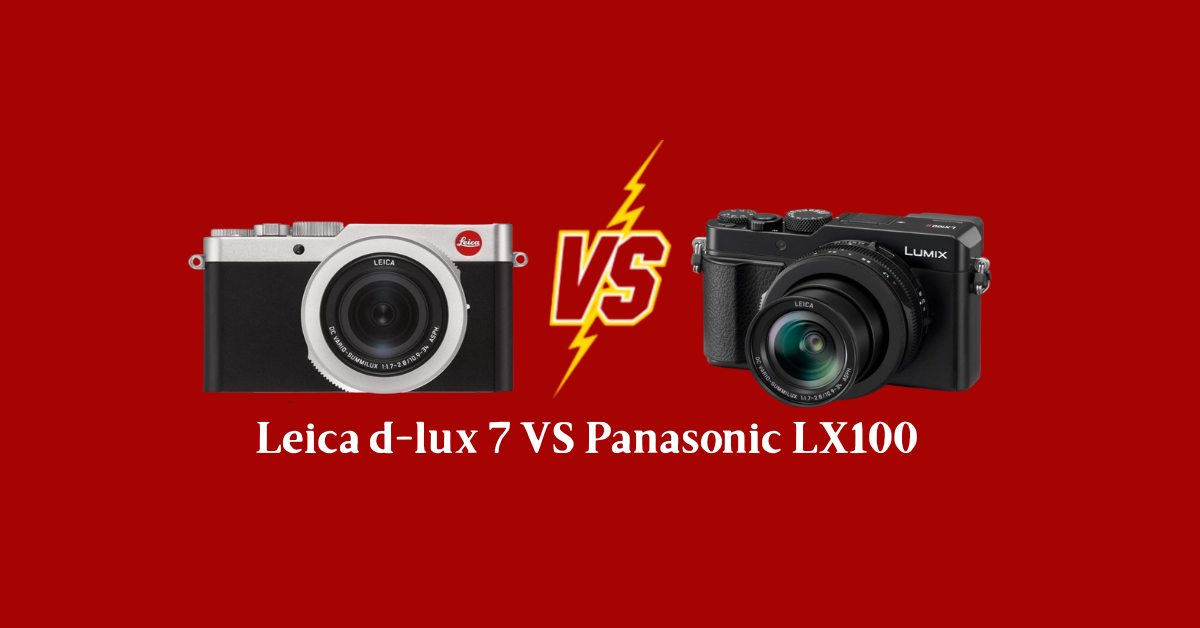
Leica D-Lux 7 vs Panasonic LX100 II: Compact Cameras Face Off
Leica D-Lux 7 and Panasonic LX100 II attract photographers who demand premium performance in a compact package. Both cameras share the same Micro Four Thirds sensor and fast Leica-branded lens, offering versatility for street, travel, and everyday photography.
The D-Lux 7 emphasizes refined design, intuitive controls, and color rendering that reflects Leica’s signature style. Panasonic LX100 II focuses on speed, customization, and advanced video capabilities, giving hybrid shooters an edge in capturing both stills and motion.
Differences in ergonomics, menu layout, and electronic viewfinder experience shape how each camera feels in hand. Battery life, autofocus performance, and low-light handling also vary, influencing shooting comfort during extended sessions.
Evaluating these features side by side highlights strengths that suit different creative needs. Photographers who value tactile experience and image aesthetics may lean toward the Leica, while those seeking speed, versatility, and control will find the Panasonic more compelling.
Leica D-Lux 7 vs Panasonic LX100 II: Full Comparison
Both the Leica D-Lux 7 and Panasonic LX100 II are premium compact cameras. They belong to the Micro Four Thirds system and offer 4K video, large sensors, and fast lenses. The Leica focuses on style, image quality, and portability. The Panasonic emphasizes versatility, high-resolution photos, and hybrid photography modes. This article breaks down each camera’s details, features, pros and cons, and compares them to help choose the best one.
Leica D-Lux 7
About This Tool
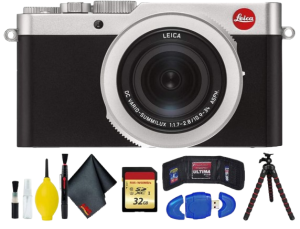
The Leica D-Lux 7 is a compact, stylish camera designed for photographers who want high-quality images on the go. Its 17MP Four Thirds MOS sensor produces clear photos, even in low light. The DC Vario-Summilux lens covers 24-75mm (35mm equivalent) with a bright f/1.7-2.8 aperture. The camera records 4K UHD video at 30 fps and supports 11 fps continuous shooting. Optical image stabilization helps reduce blur from hand shake.
Features
-
17MP Four Thirds MOS sensor
-
24-75mm F1.7-2.8 DC Vario-Summilux lens
-
2.76m-dot electronic viewfinder
-
4K UHD video recording
-
11 fps continuous shooting
-
Optical and digital image stabilization
-
ISO 100–25,600
-
Compact and lightweight body
-
Bundled 32GB memory card and flexible tripod
What We Like
The Leica D-Lux 7 delivers crisp, vibrant images in a small package. Its fast lens works well in low light. Optical stabilization and continuous shooting make action shots easier. The camera bundle includes useful accessories like a tripod and memory card. 4K video provides flexibility for multimedia projects.
What We Didn’t Like
The camera has limited zoom (1x optical on some listings), which may restrict framing options. Price is higher than similar cameras. Menu controls may be complex for beginners.
My Opinion
The Leica D-Lux 7 is ideal for travelers, street photographers, and anyone who wants high-quality photos in a pocketable camera. It balances style, performance, and convenience but comes at a premium cost.
Panasonic Lumix LX100 II
Product Details
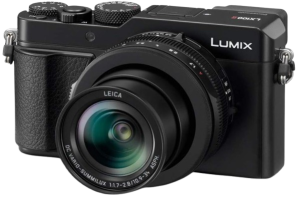
The Panasonic LX100 II is a compact digital camera with a large Four Thirds sensor. It features a 24-75mm F1.7-2.8 Leica DC Vario-Summilux lens and provides a near DSLR-like experience in a small body. Its multi-aspect sensor produces detailed photos, and 4K video and 4K photo modes allow capturing moments precisely. Optical image stabilization helps reduce blur during handheld shooting. The camera supports Wi-Fi and Bluetooth for easy sharing.
Features
-
21.77MP multi-aspect Four Thirds MOS sensor
-
24-75mm F1.7-2.8 Leica DC Vario-Summilux lens with O.I.S.
-
3-inch touch-sensitive LCD and hybrid EVF (2,764K dots)
-
4K UHD video and 4K photo modes
-
Macro shooting: 3cm wide, 30cm telephoto
-
ISO 100–25,600
-
11 fps continuous shooting
-
Wi-Fi and Bluetooth connectivity
-
Aperture priority, manual, program, and shutter priority modes
What We Like
The LX100 II captures fine details with high clarity. Its fast lens handles low-light situations well. Optical image stabilization ensures sharper handheld shots. 4K photo and video modes let you capture split-second moments. Compact size makes it easy to carry for travel or street photography.
What We Didn’t Like
The fixed lens cannot be changed, limiting flexibility. Some users may find the camera heavy for long shoots. Lack of advanced image stabilization compared to some mirrorless cameras.
My Opinion
The Panasonic LX100 II is a versatile, high-quality compact camera. It is suitable for photographers who want a lightweight camera without carrying extra lenses. It balances portability with excellent image and video quality.
Detailed Comparison
Both cameras offer similar sensor sizes and focal length (24-75mm), but their designs differ. Leica D-Lux 7 emphasizes style, portability, and bundled accessories. Panasonic LX100 II focuses on multi-aspect shooting, high-resolution 4K photos, and connectivity features.
Image quality is comparable in daylight, but LX100 II has a slightly higher effective resolution and advanced multi-aspect sensor, producing better corner-to-corner detail. Low-light performance is strong in both, thanks to fast f/1.7-2.8 lenses.
Leica includes a tripod, memory card, and accessories, adding value for on-the-go shooting. Panasonic provides Wi-Fi and Bluetooth for remote control and quick sharing. Continuous shooting speed is equal (11 fps), but Panasonic offers extra 4K photo modes for precise moment capture.
Price is a key difference. Leica D-Lux 7 is more expensive, targeting premium users. Panasonic LX100 II offers high-end performance at a lower price. Portability favors Leica for pocket use, while LX100 II is slightly larger but still travel-friendly.
FAQs
Q1. Can both cameras shoot 4K video?
Yes, both the Leica D-Lux 7 and Panasonic LX100 II record 4K UHD video.
Q2. Do they have interchangeable lenses?
No, both cameras have fixed lenses covering 24-75mm (35mm equivalent).
Q3. Which camera performs better in low light?
Both perform well, but LX100 II’s multi-aspect sensor slightly improves detail and clarity.
Q4. Are they suitable for beginners?
Yes. Leica D-Lux 7 is simpler with fewer modes. LX100 II offers more settings for learning and creative control.
Q5. Which camera is more portable?
Leica D-Lux 7 is slightly smaller and lighter, making it easy to carry in a pocket.
Conclusion
The Leica D-Lux 7 and Panasonic LX100 II both offer excellent image quality, fast lenses, and compact designs. Leica excels in portability, style, and bundled accessories. Panasonic provides higher resolution, multi-aspect sensor options, and connectivity features.
Leica is perfect for travelers and street photographers who want a sleek, ready-to-shoot camera. Panasonic is ideal for photographers who want advanced shooting modes, 4K photo functions, and a high-quality lens in a small but slightly larger body. Choice depends on budget, portability, and shooting style.