Are Ryobi Batteries Interchangeable?
Ryobi tools are popular for their power and reliability. One of their best features is their cordless design. A single battery can power a wide range of tools — from drills to saws and blowers. Many users ask a common question: Are Ryobi batteries interchangeable?
The short answer is yes, but with some limits. Not every Ryobi battery works with every Ryobi tool. The company has different systems for different voltage ranges. Knowing which batteries work together saves money and keeps your tools running safely.
This guide explains everything you need to know about Ryobi battery compatibility — how they work, which models fit together, and what to avoid.
Understanding Ryobi Battery Systems
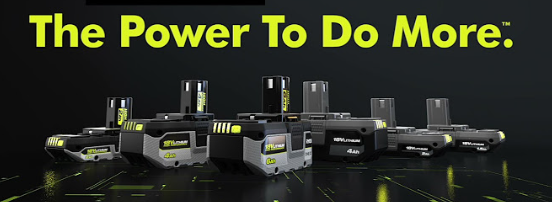
Ryobi uses two main cordless tool systems: 18V ONE+ and 40V. Each system has its own batteries and chargers. They are not cross-compatible because of voltage differences.
Let’s look at them in detail.
Ryobi 18V ONE+ System
The 18V ONE+ line is Ryobi’s most popular system. It includes over 200 tools that use the same type of 18-volt battery. These tools cover a wide range — drills, impact drivers, saws, lights, and even small outdoor equipment.
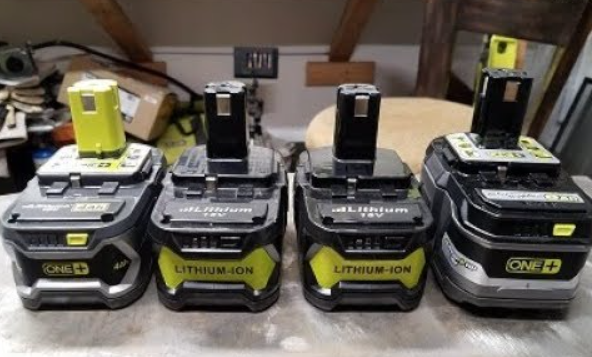
Every new 18V ONE+ battery works with older 18V ONE+ tools, and every older battery fits newer 18V ONE+ tools. Ryobi designed this system to stay compatible over time.
This means a battery from ten years ago can still power a brand-new 18V ONE+ drill. That’s real convenience.
Ryobi 40V System
The 40V system powers larger outdoor tools — such as lawnmowers, chainsaws, hedge trimmers, and pressure washers. These tools need more power, so they use a 40-volt battery.
40V batteries only fit 40V tools. They do not fit 18V ONE+ tools because the voltage and connector design are different.
Even within the 40V line, Ryobi keeps the batteries interchangeable. So, a 40V battery from an older trimmer can fit a newer 40V mower.
Ryobi 80V System
Ryobi recently introduced 80V tools for heavy-duty outdoor work. These tools use a completely separate battery platform. The 80V batteries are not interchangeable with 18V or 40V systems.
This higher-voltage system is built for advanced power and longer run times, suitable for professional users.
Are All Ryobi Batteries Interchangeable?
Not all Ryobi batteries are interchangeable across systems. Compatibility depends on voltage and series type.
Here’s a breakdown:
| Battery Type | Works With | Does Not Work With |
|---|---|---|
| 18V ONE+ | All 18V ONE+ tools (old and new) | 40V and 80V tools |
| 40V | All 40V outdoor tools | 18V and 80V tools |
| 80V | Only 80V outdoor tools | 18V and 40V tools |
So, while Ryobi batteries are interchangeable within the same voltage family, they do not cross over between different voltage systems.
Battery Compatibility Explained
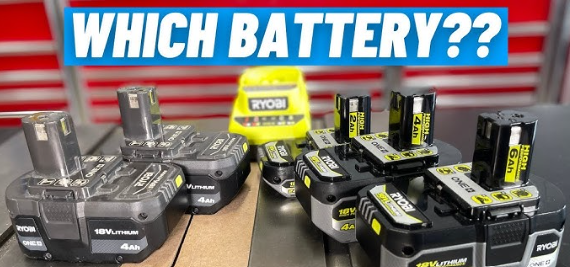
Each battery has a different connector shape and power output. The design prevents users from putting the wrong battery in a tool that can’t handle it.
For example:
-
An 18V battery will not fit a 40V tool because the connection ports are different.
-
The tool also needs the right voltage to work safely and efficiently.
This design protects both the battery and the tool from electrical damage.
How to Identify Your Ryobi Battery Type
It’s easy to check which Ryobi battery you have.
-
Check the label: It clearly shows “18V,” “40V,” or “80V.”
-
Look at the color: Most 18V ONE+ batteries are bright green. 40V batteries are darker gray or black.
-
Check the connector shape: Each voltage line has a unique connector pattern.
Never force a battery into a tool that doesn’t fit. It can damage both.
Different Ryobi Battery Types in Each System
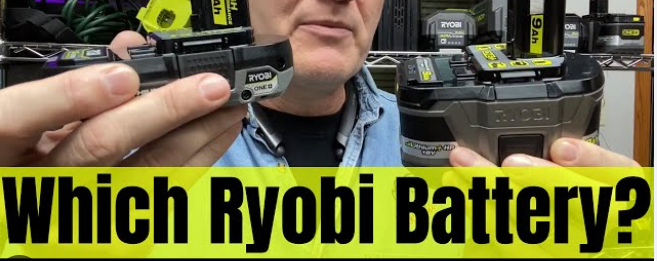
Each voltage line offers different battery types for various needs.
18V ONE+ Batteries
-
Lithium+ Compact (2.0Ah): Lightweight and best for short tasks.
-
High Capacity (4.0Ah–9.0Ah): Longer runtime for heavy-duty tools.
-
HP Batteries: Deliver extra power for brushless tools.
40V Batteries
-
Standard Lithium (2.6Ah–4.0Ah): Ideal for smaller yard tools.
-
High Capacity (5.0Ah–7.5Ah): More runtime for mowers or chainsaws.
-
HP 40V Batteries: Designed for higher performance tools.
Even within these groups, all batteries in the same voltage family are interchangeable.
Using Older Batteries in New Ryobi Tools
Ryobi made sure the 18V ONE+ system stays backward compatible. That means you can use old NiCad or early lithium batteries in newer tools.
But note:
-
Older batteries might not last as long.
-
Performance can be weaker than modern lithium models.
-
Charging time can be slower with older chargers.
If you still have older 18V tools, upgrading to newer lithium batteries can improve performance without replacing your whole tool set.
Can You Use Ryobi Batteries on Other Brands?
No. Ryobi batteries are designed only for Ryobi tools. Each brand uses different designs for connectors and voltages.
You may find third-party adapters online, but using them is risky.
They can cause short circuits, overheating, or void your warranty.
For safety and best performance, use only Ryobi batteries with Ryobi tools.
How to Care for Ryobi Batteries
Proper care helps your batteries last longer and stay efficient.
1. Store at Room Temperature
Avoid extreme heat or cold. Batteries work best between 50°F and 80°F (10°C–27°C).
2. Keep Them Clean
Wipe dust and dirt off the contacts. Dirty connectors reduce power flow.
3. Don’t Leave on Charger
Remove the battery once it’s fully charged to prevent overcharging.
4. Charge Before Storing
If you won’t use the battery for months, charge it to about 50–70%.
5. Use Regularly
Regular use keeps the battery cells active and prevents loss of capacity.
Benefits of Ryobi Interchangeable Batteries
-
Saves money: One battery can power many tools.
-
Less clutter: No need for multiple chargers.
-
Easy upgrades: You can buy new tools without replacing batteries.
-
Eco-friendly: Fewer batteries end up in the trash.
This design makes Ryobi a favorite for homeowners and DIY users.
Common Problems and Fixes
| Problem | Cause | Solution |
|---|---|---|
| Battery not charging | Dirty or faulty charger contacts | Clean contacts or use a different charger |
| Battery drains fast | Old or worn-out cells | Replace the battery |
| Battery doesn’t fit tool | Wrong voltage system | Check for 18V, 40V, or 80V marking |
| Charger light blinking red/green | Battery overheated | Let it cool before charging again |
Simple checks often solve small issues quickly.
Frequently Asked Questions
1. Are Ryobi 18V and 40V batteries interchangeable?
No. Each system uses a different voltage and connector design.
2. Will old Ryobi batteries fit new tools?
Yes, as long as they are both from the 18V ONE+ system.
3. Can Ryobi batteries work with other tool brands?
No. Each brand has its own battery design.
4. Are 18V ONE+ lithium and NiCad batteries interchangeable?
Yes, but NiCad batteries have less power and shorter runtime.
5. Do Ryobi chargers work with all batteries?
Each charger is made for a specific system 18V chargers for 18V batteries, 40V chargers for 40V batteries, and so on.
6. What does “HP” mean on Ryobi batteries?
It means “High Performance.” HP batteries deliver more power for brushless tools.
7. Can I use a higher Ah battery in my tool?
Yes. A higher Ah (amp-hour) battery gives longer runtime but doesn’t damage the tool.
8. Why doesn’t my Ryobi battery fit my new tool?
You might be mixing 18V with 40V or 80V tools. Check the labels.
9. Are all Ryobi 40V batteries the same size?
No, but they all fit 40V tools. The size only affects capacity.
10. How long do Ryobi batteries last?
Most last 3 to 5 years, depending on use and care.
Conclusion
Ryobi batteries are interchangeable within the same voltage family. The 18V ONE+ batteries fit all 18V tools, old and new. The 40V and 80V systems also work within their own lines. But you can’t mix voltages an 18V battery won’t power a 40V tool.
This smart system helps users build a full tool collection using fewer batteries. With the right care, your Ryobi batteries will stay strong, reliable, and ready for every project.
Simple rule: same voltage, same system — full compatibility.