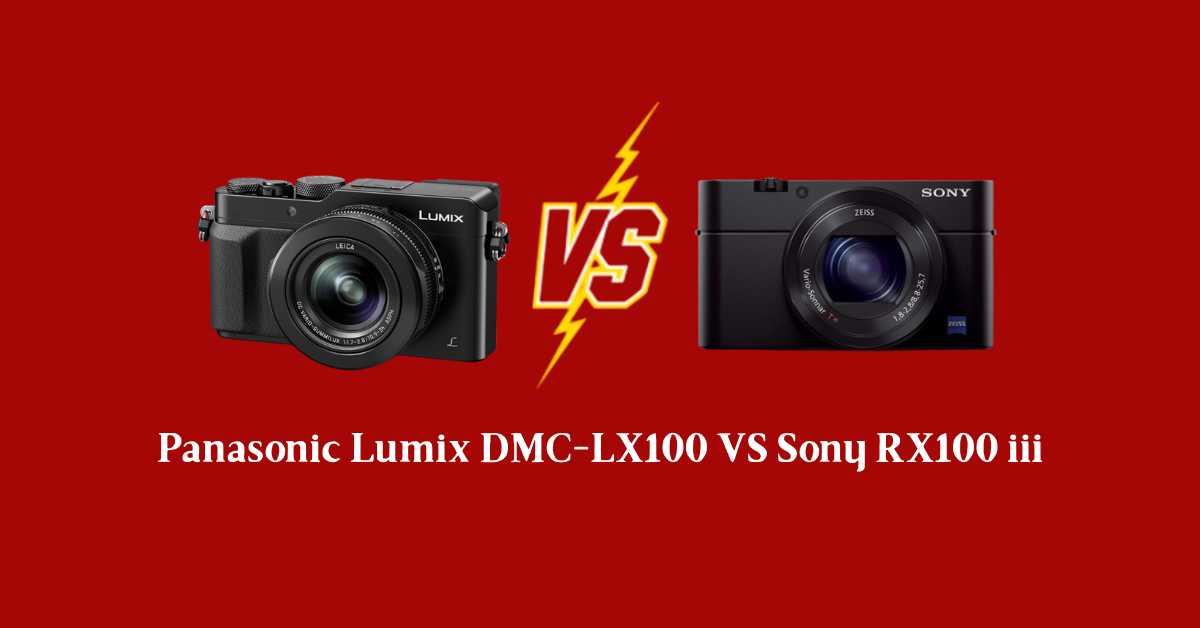
Panasonic LX100 vs Sony RX100 III: Which Compact Camera Wins for You?
Which compact camera delivers the perfect balance of performance and portability? The Panasonic Lumix DMC-LX100 and Sony RX100 III both promise impressive image quality in small, travel-friendly bodies, but they approach photography differently.
The Panasonic LX100 uses a larger Micro Four Thirds sensor and a bright Leica lens to create sharp, detailed shots with beautiful depth and low-light performance. Its manual controls appeal to enthusiasts who enjoy fine-tuning every setting.
The RX100 III emphasizes speed and convenience, packing a 1-inch sensor, fast Zeiss lens, and a pop-up electronic viewfinder into a pocketable frame. Both cameras shoot crisp photos, smooth video, and cover versatile focal ranges, making them excellent for travel, street photography, and everyday moments.
Understanding the strengths of each model helps photographers decide which camera matches their style, whether prioritizing manual control, portability, or creative flexibility.
Panasonic Lumix DMC-LX100 VS Sony RX100 III: Full Comparison Guide
Compact cameras continue to appeal to photographers who want high-quality results without the bulk of DSLRs. The Panasonic Lumix DMC-LX100 and Sony RX100 III are two premium compact cameras that deliver strong image quality, portability, and advanced features. Both models are designed for enthusiasts and professionals who value speed, detail, and convenience.
The LX100 features a Micro Four Thirds sensor and a versatile zoom lens, offering more control over depth of field. The RX100 III uses a 1-inch BSI CMOS sensor and a ZEISS zoom lens, balancing image quality with compact size. This guide breaks down their specifications, strengths, weaknesses, and real-world performance to help you choose the right camera for your photography or video needs.
Panasonic Lumix DMC-LX100

About This Tool
The Panasonic LX100 is a premium compact camera equipped with a 4/3-inch Micro MOS sensor. It captures detailed images with wide tonal range and performs well in low light. The camera features a 24–75mm f/1.7–2.8 DC Vario-Summilux lens with optical image stabilization. Its solid build, full manual controls, and Micro Four Thirds sensor make it suitable for enthusiasts who want DSLR-like image quality in a pocketable body.
Features
Large Sensor
The 4/3-inch MOS sensor provides 12.8 effective megapixels, allowing better low-light performance and richer colors compared to conventional compact cameras.
Versatile Lens
The 24–75mm lens with f/1.7–2.8 aperture covers wide-angle to short telephoto shots. The wide aperture helps capture images with blurred backgrounds and improved low-light performance.
Manual Controls
Dedicated dials for aperture, shutter speed, and exposure allow precise control over images. A ratio switch enables quick selection of formats like 16:9 for creative framing.
Image Stabilization
Optical and digital stabilization reduces blur when shooting handheld or in low light, enhancing overall sharpness.
Video Capability
The LX100 records 4K UHD video at 30fps, supporting both still and video capture in high-quality MP4 format.
Connectivity
Built-in Wi-Fi allows easy transfer to smartphones or computers, enabling remote shooting and sharing.
What We Like
-
Large 4/3-inch sensor for better low-light performance
-
Fast f/1.7–2.8 lens enhances depth of field control
-
Compact and durable design
-
Full manual control with dedicated dials
-
4K video recording with clear image quality
What We Didn’t Like
-
Limited zoom range (3x optical) compared to competitors
-
No built-in flash
-
Slightly heavier than some pocket compacts
My Opinion
The LX100 is ideal for photographers who want control and image quality in a compact package. Its large sensor and bright lens make it better than most small cameras for portraits and low-light photography. While the zoom range is limited, its manual control and optical quality deliver professional results.
Sony RX100 III

Product Details
The Sony RX100 III is a premium 1-inch sensor compact camera. It offers 20.1MP resolution and a 24–70mm f/1.8–2.8 ZEISS Vario-Sonnar T* lens. This camera features a pop-up electronic OLED viewfinder, 180-degree tiltable screen, and full HD video recording. Its small form factor and advanced BIONZ X processor deliver fast, accurate performance for both stills and video.
Features
1-Inch Sensor
The 20.1MP Exmor R CMOS sensor provides high-resolution images with good dynamic range. Backside illumination improves low-light sensitivity.
ZEISS Lens
The 24–70mm f/1.8–2.8 lens captures sharp images with smooth bokeh. The optical zoom allows versatile shooting from wide-angle to short telephoto.
Fast Autofocus and Shooting
Continuous shooting up to 10 fps and advanced autofocus modes capture moving subjects efficiently.
Pop-Up Viewfinder
A 1,440,000-dot OLED electronic viewfinder offers eye-level framing, while the tiltable 3-inch LCD supports low-angle or selfie shots.
Image Stabilization
SteadyShot optical stabilization reduces blur for handheld photos and videos, making it easier to shoot in challenging light.
Connectivity
Built-in Wi-Fi and NFC simplify file transfer and remote camera control.
What We Like
-
High-resolution 1-inch sensor for compact form
-
ZEISS 24–70mm lens with wide aperture
-
Pop-up OLED viewfinder for precise framing
-
Fast autofocus and 10 fps continuous shooting
-
Compact and travel-friendly design
What We Didn’t Like
-
Smaller sensor than the LX100
-
Limited zoom compared to larger cameras
-
No 4K video; only Full HD
My Opinion
The RX100 III is perfect for travelers and casual professionals who need a compact yet capable camera. Its fast lens, good low-light performance, and pop-up viewfinder make it versatile. While it cannot match the LX100’s sensor size or 4K video, it delivers excellent image quality in a pocket-sized body.
Detailed Comparison: LX100 vs RX100 III
Both cameras offer premium image quality in compact packages but cater to slightly different users. The LX100’s 4/3-inch sensor is larger than the RX100 III’s 1-inch sensor, providing better low-light performance and control over depth of field. Its lens is wider at the long end (75mm vs 70mm) and offers faster maximum aperture at f/1.7, allowing more creative flexibility in shallow depth of field photography.
The RX100 III has a slight advantage in portability. Its smaller body, pop-up viewfinder, and tiltable screen make it easy to carry and shoot on the go. Autofocus and burst shooting are faster, which is useful for action shots.
Video performance favors the LX100, supporting 4K UHD recording. The RX100 III records Full HD video but remains capable for high-quality casual or travel videography. Both cameras include optical stabilization to reduce blur, but the LX100’s larger sensor and lens combination gives it an edge in image quality.
For professionals needing manual control and depth of field flexibility, the LX100 stands out. For travelers or casual photographers prioritizing compact size and fast shooting, the RX100 III is more convenient.
FAQs
Which camera is better in low light?
The LX100’s larger 4/3-inch sensor and fast lens give it superior low-light performance.
Does RX100 III support RAW format?
Yes, it supports RAW, JPEG, and RAW + JPEG for full post-processing flexibility.
Which camera is more portable?
The RX100 III is smaller and lighter, making it easier to carry every day.
Can both cameras shoot video?
Yes. The LX100 supports 4K UHD video, while the RX100 III records Full HD 1080p video.
Which camera has better lens versatility?
The LX100’s 24–75mm lens covers more focal length and a slightly faster aperture. The RX100 III has a 24–70mm lens, which is compact and sharp but with slightly less range.
Are both suitable for beginners?
Yes. Both cameras are compact and easy to use. The LX100 offers more manual control, while the RX100 III is simpler for casual photography.
Conclusion
The Panasonic Lumix DMC-LX100 and Sony RX100 III each excel in their own way. The LX100 prioritizes image quality, sensor size, and manual control, making it ideal for enthusiasts who want creative flexibility and 4K video.
The RX100 III focuses on portability, fast autofocus, and versatile shooting for travelers and everyday photography. Decision-making depends on priorities: choose the LX100 for superior sensor performance and creative control, or the RX100 III for compact convenience without sacrificing image quality.