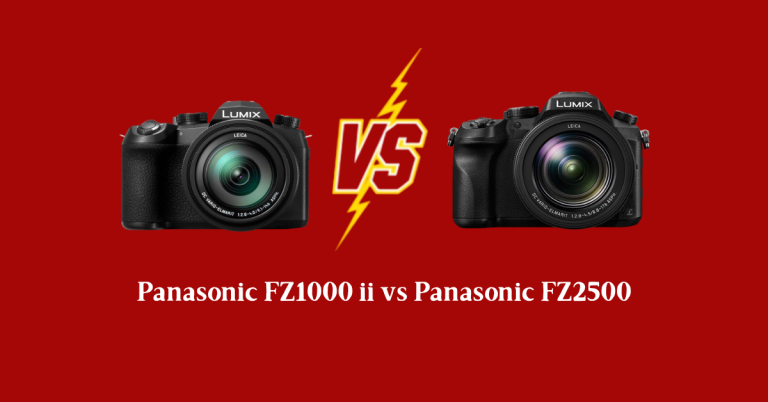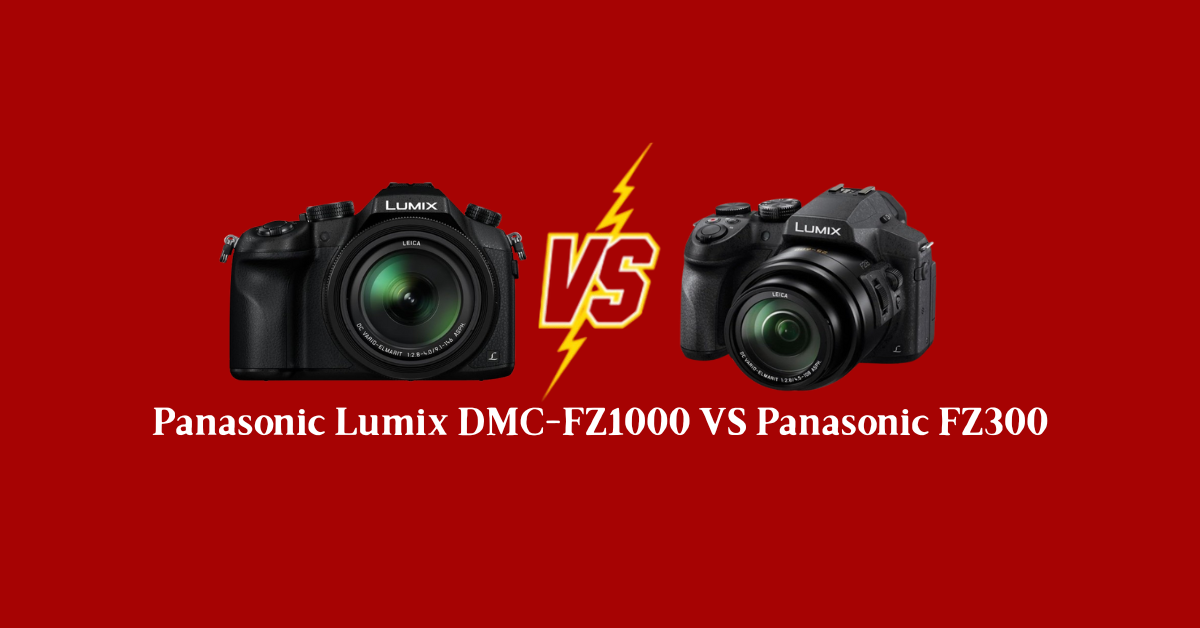
Panasonic FZ1000 vs FZ300: Superzoom Showdown
Panasonic built both the FZ1000 and FZ300 for photographers who want power, reach, and portability in one camera. Each model packs strong zoom performance and advanced features that appeal to travel shooters and hobbyists.
The FZ1000 stands out with its larger one-inch sensor that delivers sharper detail and cleaner images in low light. The FZ300 focuses on consistency with a bright f/2.8 lens across its entire zoom range, making it perfect for action and outdoor scenes. Both cameras shoot 4K video, include fast autofocus, and feature solid stabilization for steady handheld shots.
The FZ1000 leans toward image quality and dynamic range, while the FZ300 offers rugged design and all-weather reliability. Comparing their strengths side by side helps photographers see which camera offers the right balance of performance, zoom capability, and handling for their creative goals.
Panasonic Lumix DMC-FZ1000 vs FZ300: Which One Fits Your Style?
Panasonic has long been a favorite for travel photographers and content creators. Both the Lumix DMC-FZ1000 and Lumix FZ300 offer strong zoom lenses, great image quality, and advanced video options. Yet, they serve slightly different types of users. The FZ1000 brings a large sensor and 4K video, while the FZ300 focuses on durability and an all-weather design. Let’s explore each model closely before comparing them side by side.
Panasonic Lumix DMC-FZ1000

About This Tool
The Panasonic Lumix DMC-FZ1000 is a bridge-style digital camera built for people who love both stills and videos. It carries a powerful 1-inch 20.1MP sensor, which is much larger than most compact cameras. This gives it strong detail and low-light performance. It also comes bundled with several accessories, including SD cards, tripod, microphone, LED light, and a carrying case—perfect for all-in-one shooting setups.
Features
The FZ1000’s Leica DC Vario-Elmarit lens delivers a 16x zoom range (25–400mm equivalent). The Venus Engine processor ensures fast performance and natural color tones. You can record 4K video at 30fps and even extract 8MP stills from your footage. The HYBRID O.I.S.+ system keeps shots steady, while the 0.39-inch OLED viewfinder and 3-inch rotating LCD make framing easy from any angle.
The built-in Wi-Fi and NFC connectivity allow remote control through your smartphone. The camera also includes multiple shooting modes such as landscape, panorama, and sports, offering flexibility for every scene.
What We Like
-
Large 1-inch 20.1MP sensor
-
4K recording with detailed quality
-
Sharp Leica lens with wide zoom range
-
Articulated LCD and clear OLED viewfinder
-
Great accessory bundle for beginners and vloggers
What We Didn’t Like
-
Image stabilization doesn’t work in 4K mode
-
Limited 4K recording time (about 30 minutes)
-
Slightly bulky and heavy for travel use
My Opinion
The FZ1000 feels like a semi-pro camera in a bridge body. Its sensor and lens combination deliver crisp, colorful images even in tricky lighting. It’s an excellent choice for travel, nature, and video projects. Though not ideal for extreme weather, it’s hard to beat its overall image quality in this price range.
Panasonic Lumix FZ300

Product Details
The Panasonic Lumix FZ300 is built tough and steady. It carries a smaller 1/2.3-inch 12.1MP sensor but compensates with a constant f/2.8 aperture lens that stays bright across the zoom range. It’s splashproof and dustproof, making it a strong partner for outdoor photography. Its design feels more compact and travel-friendly than the FZ1000.
Features
This camera packs a Leica DC Vario-Elmarit 24x zoom lens (25–600mm equivalent), giving you extreme reach for wildlife and sports shots. The Venus Engine processor supports 4K video and 4K photo modes, capturing 30 frames per second. It also features Panasonic’s DFD autofocus, which locks focus quickly and tracks moving subjects effectively.
The 5-axis Hybrid O.I.S.+ keeps handheld videos stable, while the articulating touchscreen adds flexibility for low or high angles. You can also control it remotely using the Panasonic Image App through built-in Wi-Fi.
What We Like
-
Constant f/2.8 aperture across full zoom range
-
Rugged splashproof and dustproof body
-
4K video and photo modes
-
Excellent stabilization system
-
Fast autofocus with DFD technology
What We Didn’t Like
-
Smaller sensor compared to FZ1000
-
Slight noise in low-light scenes
-
Limited dynamic range in RAW shots
My Opinion
The FZ300 is a practical and travel-ready camera. It may not have the FZ1000’s large sensor, but it makes up for it with speed, reliability, and a bright constant aperture. It’s perfect for outdoor explorers and vloggers who need a tough, dependable camera in all weather conditions.
Detailed Comparison: Panasonic FZ1000 vs FZ300
The FZ1000 wins in terms of sensor size and image clarity. Its 1-inch 20.1MP sensor produces richer details and better background blur. On the other hand, the FZ300 offers a constant f/2.8 lens, keeping brightness steady from wide to telephoto shots. That’s an advantage for action and wildlife scenes.
The FZ1000 handles low light better, while the FZ300 shines in rough environments thanks to its weather-sealed body. In video, both record 4K at 30fps, but the FZ1000 gives more detail and depth. Yet, the FZ300 is easier to hold for long sessions and has stronger stabilization. For beginners, the FZ300 feels simpler and more rugged. For users who want better photo quality and dynamic range, the FZ1000 is worth the extra size and price.
FAQs
1. Which camera is better for travel?
The FZ300 is lighter and weather-sealed, making it more suitable for travel and outdoor shooting.
2. Does the FZ1000 take better photos?
Yes. Its larger 1-inch sensor captures more detail and performs better in low light.
3. Can both cameras shoot 4K video?
Yes, both support 4K recording at 30fps, but the FZ1000 offers slightly sharper results.
4. Is the FZ300 waterproof?
It’s not fully waterproof, but it is splashproof and dustproof.
5. Which one has better zoom?
The FZ300 has a longer zoom range (24x vs. 16x) and maintains a bright f/2.8 aperture.
Conclusion
The Panasonic Lumix FZ1000 focuses on high-quality images, while the Lumix FZ300 aims for durability and versatility. The FZ1000 suits users who care about detail, bokeh, and image depth. The FZ300 fits those who want a lighter, rugged companion that can handle weather and action.
Both are strong performers, but your choice depends on your style—image quality vs. durability. Either way, Panasonic delivers two capable cameras that keep creativity simple and fun.