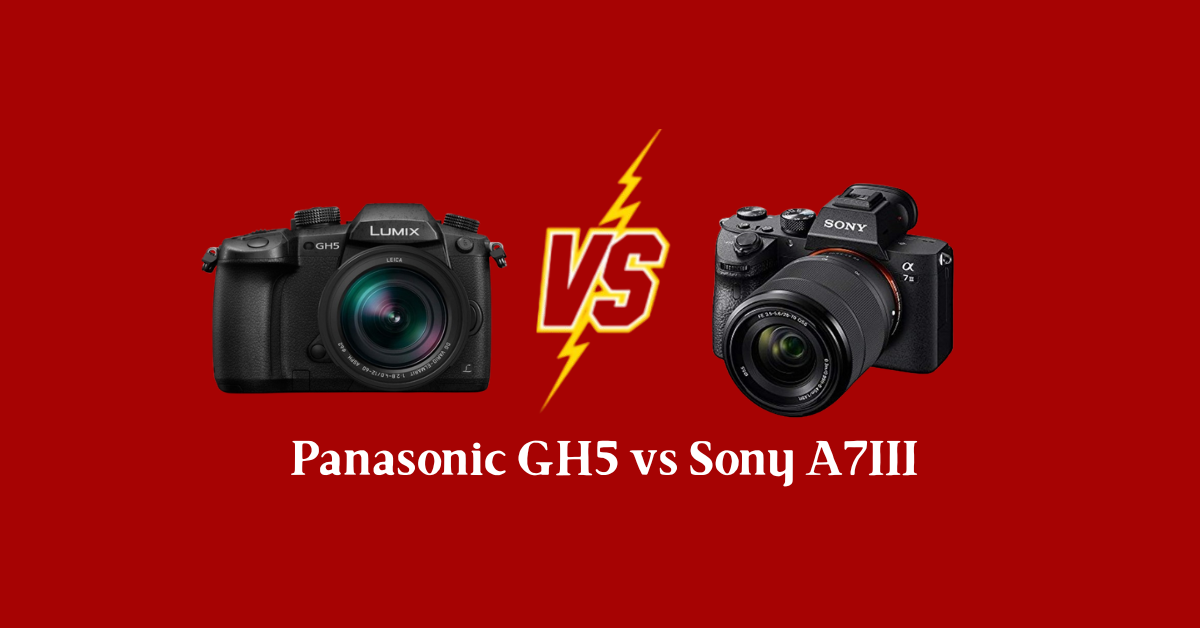
Panasonic GH5 vs Sony A7III: Which Camera Delivers More Power?
Panasonic and Sony have shaped modern hybrid shooting with cameras that excel in both video and photography. The Panasonic GH5 stands out as a Micro Four Thirds powerhouse, offering unmatched video tools, unlimited recording, and a reputation as a favorite for filmmakers.
The Sony A7III takes a different approach with a full-frame sensor, strong low-light capability, and excellent autofocus performance, making it one of the most versatile models in Sony’s Alpha series. Both cameras attract professionals and enthusiasts who want reliability and advanced features without stepping into the highest-end price tier.
The GH5 appeals to those who prioritize video flexibility and durability, while the A7III caters to photographers and videographers who value image quality and depth of field control. Comparing their strengths reveals two distinct paths: one focused on cinematic versatility and the other on full-frame power with balanced performance across stills and video.
Panasonic GH5 vs Sony A7III: A Detailed Comparison
Choosing between the Panasonic GH5 and the Sony A7III is not always easy. Both cameras are popular among photographers and videographers who want high-quality performance in a mirrorless body. The GH5 is known for its strong video features, versatile lens options, and solid build.
The Sony A7III, on the other hand, offers a larger full-frame sensor, excellent low-light results, and fast autofocus. Each model brings unique strengths that can suit different shooting styles. This comparison will help you understand the main differences in design, features, and performance so you can decide which camera fits your needs best.
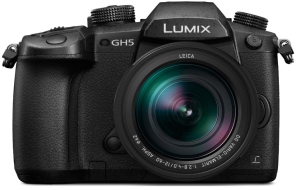
Panasonic LUMIX GH5 with 12-60mm Lens
About This Tool
The Panasonic GH5 is built for creators who want both strong photography and powerful video tools in one body. It uses a Micro Four Thirds 20.3MP sensor that balances detail and speed. The body feels durable with a magnesium alloy design, giving it strength for outdoor and professional use. This camera is trusted by videographers because it records 4K video at up to 60p with high bit rates. The dual image stabilization system makes hand-held shooting easier, even in challenging conditions.
Features
-
20.3MP Micro Four Thirds CMOS sensor
-
4K recording up to 60p with internal 10-bit 4:2:2 recording at lower frame rates
-
Dual I.S. 2.0 with 5-axis in-body stabilization
-
Dual SD card slots for extended storage
-
Weather-sealed magnesium alloy body
-
Vari-angle 3.2-inch touchscreen LCD
-
Up to 12 fps continuous shooting
-
225-area autofocus system
-
Built-in Wi-Fi and Bluetooth
What We Like
The GH5 delivers outstanding 4K video with professional recording formats that appeal to filmmakers. Its in-body stabilization is one of the best, keeping footage smooth even without a gimbal. The build quality is excellent, designed to last through heavy fieldwork. The fully articulated screen makes vlogging and multi-angle shooting simple. Dual card slots are another advantage, offering backup or extended recording time.
What We Didn’t Like
Low-light performance is limited due to the smaller Micro Four Thirds sensor. The autofocus system, while improved, is not as quick as some competitors, especially in video mode. The camera body is also larger than many mirrorless cameras, making it less compact for travel.
My Opinion
The Panasonic GH5 is a camera made for video-first creators who also value strong photography features. It works best for professional videography, documentaries, events, and projects where 4K quality and stabilization matter most. Still photographers may want more low-light strength, but for hybrid shooters and filmmakers, the GH5 remains a very capable tool.
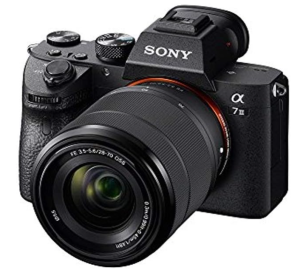
Sony A7III with 28-70mm Lens
Product Details
The Sony A7III is a full-frame mirrorless camera that has become one of the most popular options for both enthusiasts and professionals. It uses a 24.2MP back-illuminated sensor that captures excellent detail and strong dynamic range. The body design is smaller than a DSLR but still feels solid in hand. It offers impressive autofocus coverage with 693 phase-detection points that cover most of the frame. The A7III also records 4K video with sharp detail and strong color depth, making it reliable for both stills and video work.
Features
-
24.2MP full-frame back-illuminated CMOS sensor
-
15-stop dynamic range with 14-bit RAW output
-
693 phase-detection AF points with 425 contrast points
-
Up to 10 fps continuous shooting with tracking
-
4K video recording with full pixel readout and HDR support
-
Dual SD card slots
-
Tilting 3-inch LCD screen
-
ISO range 50–204,800 for strong low-light capability
-
Built-in Wi-Fi, Bluetooth, and NFC
What We Like
The A7III produces excellent image quality with strong performance in both daylight and low-light situations. Autofocus is fast, accurate, and covers most of the frame, making it very reliable for action or portraits. The full-frame sensor captures more depth and detail, with pleasing background blur. Video performance is also impressive, offering 4K with good color science and flexibility in editing. Battery life is stronger than many other mirrorless cameras, giving confidence during long shoots.
What We Didn’t Like
The body menu system can feel complex for new users, requiring time to learn. The LCD only tilts instead of being fully articulated, which may limit flexibility for vloggers. The kit lens (28-70mm) is fine for beginners, but professionals may quickly need higher-quality lenses to match the camera’s potential.
My Opinion
The Sony A7III is a balanced full-frame camera that works for many types of creators. It handles portraits, landscapes, action, and video with equal confidence. Its low-light strength and autofocus system set it apart from many competitors. For those seeking one camera that covers both photography and video at a professional level, the A7III is a safe and versatile choice.
Detailed Comparison: Panasonic GH5 vs Sony A7III
The Panasonic GH5 and Sony A7III both serve creators but approach photography and video from different angles. The GH5 is designed for video-first users, with 4K60p recording, advanced stabilization, and flexible video formats. It is ideal for filmmakers who need professional recording tools without investing in cinema cameras. The Sony A7III, on the other hand, brings full-frame power with strong low-light performance, fast autofocus, and excellent image quality. It balances both photography and video, making it more versatile for general use.
Size and weight differ too. The GH5 is heavier and larger, especially with its Micro Four Thirds system. The A7III is more compact for a full-frame but still feels solid. Autofocus is another clear difference: Sony’s 693-point system is faster and more reliable, especially for moving subjects. Panasonic relies on contrast-based autofocus, which can lag behind in video tracking.
For video shooters, the GH5 is hard to beat with its recording options and stabilization. For photographers and hybrid users who want excellent stills and strong video, the A7III is the more balanced choice.
FAQs
1. Which camera is better for video?
The Panasonic GH5 offers more advanced video features, including 4K60p recording and excellent stabilization.
2. Which camera is better for photography?
The Sony A7III is stronger for still photography, thanks to its full-frame sensor, better autofocus, and improved low-light performance.
3. Which is more portable?
The Sony A7III is more compact for its class, while the GH5 is bulkier due to its rugged body.
4. Do both have dual card slots?
Yes, both cameras offer dual SD card slots, useful for backups or extended shooting.
5. Which is better for beginners?
The Sony A7III may be easier for those who want one camera for both stills and video, while the GH5 is better for users focusing mainly on video production.
Conclusion
The Panasonic GH5 and Sony A7III are both excellent cameras but built with different priorities. The GH5 shines in video recording, offering advanced formats and rock-solid stabilization. The Sony A7III delivers superior still image quality, faster autofocus, and full-frame performance that works in both photos and video.
The right choice depends on your focus: if video production is the main goal, the GH5 is the winner. If you want balanced performance with strong photography and video, the A7III is the better fit.