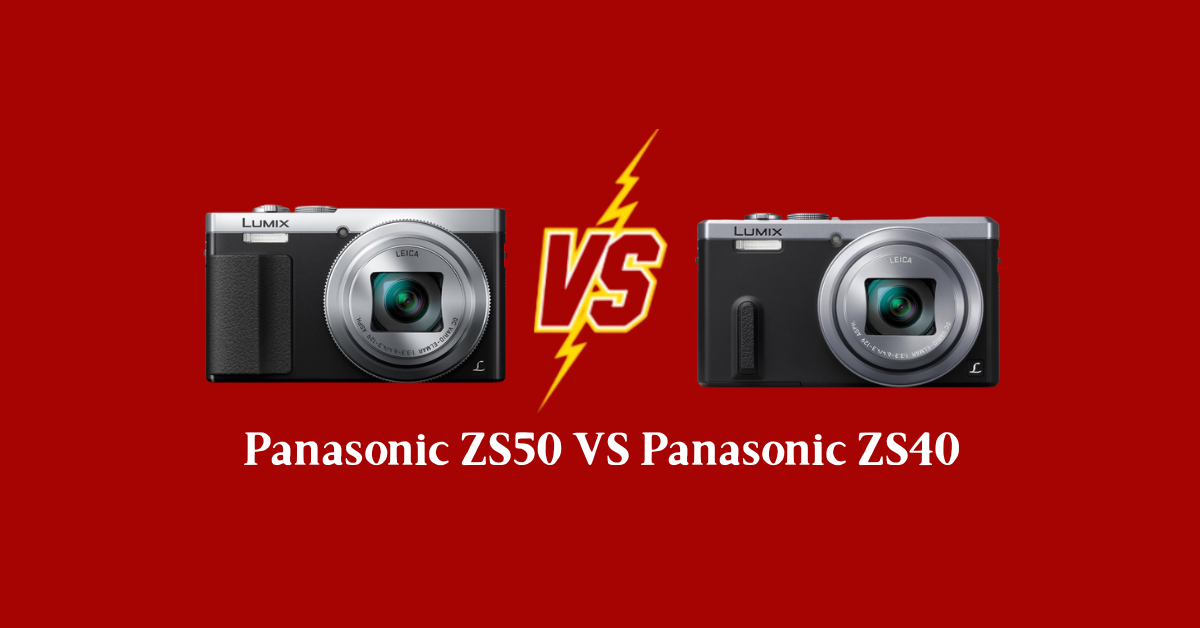
Panasonic ZS50 vs ZS40: Compact Cameras with Big Travel Potential
Travel photographers often search for a compact camera that balances portability with powerful features. Panasonic’s ZS series has long catered to this demand, and the ZS40 and ZS50 stand out as strong contenders for those who want pocket-sized convenience without giving up versatility.
The ZS40 arrived with a robust zoom range, GPS, and built-in Wi-Fi, making it an appealing tool for documenting adventures. The ZS50 followed with improvements in low-light performance, a new electronic viewfinder, and refined image processing designed to deliver better clarity.
Both cameras pack impressive zoom lenses into small bodies, ideal for travelers who prefer lightweight gear over bulky DSLR setups. Differences in handling, sensor technology, and extra features highlight how Panasonic evolved the series to meet changing demands. Comparing the ZS50 and ZS40 side by side helps determine which model delivers the right balance of control, performance, and convenience for your style of photography.
Panasonic ZS50 vs ZS40: A Detailed Comparison
Compact travel cameras remain popular for people who want strong zoom power without carrying heavy gear. Panasonic’s ZS series has been a favorite choice, with models like the ZS50 and ZS40 offering long zoom lenses, simple controls, and useful travel features. Both cameras look similar at first glance, but they differ in important ways that affect image quality, low-light ability, and overall performance. This article explores the Panasonic ZS50 and ZS40 in detail, covering features, pros, cons, and how they compare for real-world use.
Panasonic ZS50
About This Tool
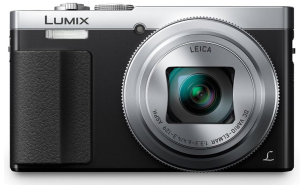
The Panasonic ZS50 is designed as a travel zoom camera. It has a compact body, a powerful 30x optical zoom lens, and an electronic viewfinder for better shooting in bright sunlight. Its main focus is versatility, giving travelers a balance of reach, portability, and simple controls.
Features
-
12.1 MP High Sensitivity MOS sensor
-
30x LEICA DC Vario-Elmar lens (24–720mm equivalent)
-
Optical image stabilization
-
Full HD 1080p video recording
-
Built-in electronic viewfinder
-
ISO range from 80 to 6400
-
Continuous shooting up to 10 fps
-
3-inch LCD screen
-
Wi-Fi and NFC connectivity
What We Like
-
Strong low-light performance compared to older ZS models
-
Long 30x zoom for capturing faraway subjects
-
Viewfinder helps in bright sunlight
-
Compact and lightweight design for travel
-
Shoots RAW for better post-processing control
What We Didn’t Like
-
Lower megapixel count at 12.1 MP
-
No 4K video recording
-
Fixed LCD screen, not tilting
-
Small sensor limits depth of field control
My Opinion
The ZS50 focuses on travel convenience. While it doesn’t have the highest resolution, it handles low-light scenes better than many compact rivals. It works well for people who want portability with enough zoom to cover landscapes, cityscapes, and distant details.
Panasonic ZS40
Product Details
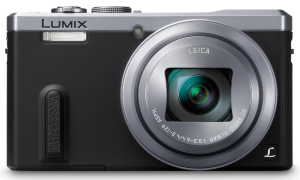
The Panasonic ZS40 is another compact travel zoom camera, slightly older than the ZS50. It offers more megapixels and adds GPS features for travelers who want location data on their photos. Like the ZS50, it includes a 30x optical zoom lens and an electronic viewfinder.
Features
-
18.1 MP MOS sensor
-
30x LEICA DC Vario-Elmar lens (24–720mm equivalent)
-
Optical image stabilization
-
Full HD 1080p video recording
-
Built-in GPS, Wi-Fi, and NFC
-
ISO range from 100 to 6400
-
Continuous shooting up to 10 fps
-
3-inch LCD screen
-
Venus Engine processor
What We Like
-
Higher 18.1 MP resolution for detailed photos
-
GPS tagging for travel photography
-
Long 30x zoom range
-
Solid build and compact size
-
Electronic viewfinder included
What We Didn’t Like
-
Higher megapixels reduce low-light performance
-
No RAW support, JPEG only
-
LCD screen not touch-enabled
-
Low-light image quality weaker than ZS50
My Opinion
The ZS40 works well for travelers who value detail and GPS tagging. It captures sharp photos in daylight and offers a wide zoom range, but it struggles more in darker scenes compared to the ZS50.
Detailed Comparison
The Panasonic ZS50 and ZS40 look similar but focus on different strengths. The ZS50 has fewer megapixels, which allows it to handle low-light scenes better with less noise. It also supports RAW shooting, which gives more editing flexibility. On the other hand, the ZS40 has a higher resolution sensor at 18.1 MP, making it better for large prints or detailed daylight shots. It also adds GPS tagging, a helpful feature for frequent travelers.
Both cameras share the same 30x LEICA zoom lens and electronic viewfinder, making them versatile for travel. For video, they both record in Full HD, but neither supports 4K. In terms of real-world use, the ZS50 is better for those who shoot in different lighting conditions, while the ZS40 is more suited for bright outdoor photography with extra detail.
FAQs
Q1: Which camera is better for low light?
The Panasonic ZS50 performs better in low light thanks to its lower-resolution sensor.
Q2: Do both cameras have GPS?
No. Only the Panasonic ZS40 has GPS tagging built-in.
Q3: Can they shoot RAW photos?
The ZS50 supports RAW shooting, while the ZS40 only captures JPEG.
Q4: Do they both have an electronic viewfinder?
Yes, both models include an EVF, useful in bright outdoor settings.
Q5: Which one is better for travel?
Both are travel-friendly, but the ZS50 is more versatile for varied lighting, while the ZS40 is better for daylight detail and GPS location tracking.
Conclusion
Both the Panasonic ZS50 and ZS40 are strong travel zoom cameras with long reach and compact designs. The ZS50 shines in low-light situations and supports RAW files, making it more flexible for photography enthusiasts.
The ZS40 offers higher resolution and GPS features, appealing to travelers who value sharp images and location data. For travelers who shoot in many lighting conditions, the ZS50 is the stronger choice. For those who prioritize detail and GPS tagging, the ZS40 remains a solid option.

![Sony RX10 IV vs Panasonic FZ2500 [Power Zoom Cameras Face Off]](https://properdiypro.com/wp-content/uploads/2025/11/Sony-RX10iv-VS-Panasonic-FZ2500-768x402.png)