Milwaukee 2763 vs 2767: Two Impact Wrenches Built for Serious Torque
Raw power, smart engineering, and jobsite reliability define the Milwaukee 2763 and 2767 impact wrenches. This comparison breaks down how these two heavy-duty tools differ in torque output, control, size, and real-world usability.
Milwaukee designed both models for professionals who demand speed and strength, yet each wrench targets a slightly different work style.
One model favors balanced performance for daily mechanical tasks, while the other pushes extreme torque for stubborn fasteners and industrial jobs.
Subtle differences in weight, handling, and power delivery shape how each tool feels during long sessions. Battery efficiency and control modes also play a major role in overall productivity.
Clear details help buyers avoid overpaying or underpowering their setup. This guide highlights practical differences that matter on the job, not marketing hype.
A closer look at these tools from Milwaukee Tool helps determine which impact wrench fits demanding work conditions and personal workflow expectations.
Milwaukee 2763 vs 2767 – Deep and Detailed Torque Comparison
Impact wrenches handle the hardest fastening jobs. Rusted bolts. Truck lug nuts. Suspension parts. Structural steel. These tasks demand torque, control, and durability.
Milwaukee builds two high-torque models that many professionals compare: Milwaukee 2763-20 and Milwaukee 2767-20. Both run on the M18 18V battery platform. Both use brushless motor systems. Both target mechanics and contractors.
Yet real differences appear once you look closer. Torque output. Control features. Build design. Practical use. This guide explains everything in long, clear sections. Simple language. Direct comparison. Real-world insight.
Milwaukee 2763
Product Details
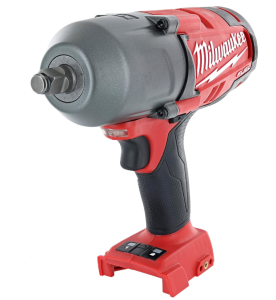
Milwaukee designed the 2763-20 as a high torque 1/2-inch impact wrench for professional use. The tool measures about 9.23 inches in length. It weighs around 6.2 pounds without a battery.
The red metal housing gives it a strong and industrial look. The body feels dense and solid in hand. This weight adds stability during heavy fastening.
The wrench uses a 1/2-inch square anvil with a friction ring. The friction ring system allows fast socket changes. Users can push sockets on and pull them off without tools. That design saves time during repeated bolt removal tasks.
The tool delivers up to 700 ft-lbs of maximum fastening torque. Breakaway torque reaches up to 1,100 ft-lbs. These numbers place it firmly in the high-torque category. Mechanics can remove stubborn suspension bolts and tight lug nuts with confidence.
The wrench operates on Milwaukee’s 18V M18 lithium-ion battery platform. The bare tool version does not include a battery or charger. Buyers who already own M18 batteries can use them immediately.
Milwaukee supports the tool with a five-year warranty. That coverage reflects its professional focus.
Features
POWERSTATE Brushless Motor System
The POWERSTATE brushless motor provides strong torque output and long tool life. Brushless design reduces internal wear. The motor runs cooler under load. Heat reduction improves performance consistency during extended use. Auto repair shops and fleet maintenance teams benefit from that reliability.
The motor maintains torque even when removing rusted or seized fasteners. Power delivery feels steady. The wrench does not struggle under pressure.
REDLINK PLUS Intelligence
Milwaukee includes REDLINK PLUS electronic protection in this model. The system communicates between the tool and battery. It prevents overload and overheating. This feature protects internal components and extends tool life.
The tool also offers DRIVE CONTROL with two fastening modes. Mode 1 delivers up to 100 ft-lbs. This setting works well for smaller bolts and controlled fastening. Mode 2 delivers up to 700 ft-lbs. This setting handles heavy-duty bolts.
Two modes may seem simple. Yet that simplicity helps users switch quickly without confusion.
High Breakaway Torque
Breakaway torque matters most when removing stuck hardware. The 2763 produces up to 1,100 ft-lbs. That force helps loosen rusted lug nuts and corroded bolts. Mechanics save time. Less strain on wrists. Less frustration.
Variable Speed Trigger
The variable speed trigger improves control. Light pressure creates slower rotation. Full pressure delivers maximum torque. This design allows better accuracy during installation.
What We Like
Strong and Reliable Torque
Seven hundred ft-lbs of fastening torque handles most automotive and construction tasks. Eleven hundred ft-lbs of breakaway torque removes stubborn fasteners without hesitation.
Balanced Power for Daily Use
The wrench delivers high torque without feeling extreme. Most mechanics find it powerful enough for trucks and heavy equipment.
Durable Construction
The metal housing resists shop abuse. Daily drops and impacts cause less worry.
Simple Drive Modes
Two torque modes make operation easy. Less complexity. Faster workflow.
Professional Warranty
Five-year tool coverage supports long-term investment.
What We Didn’t Like
Slightly Heavy for Overhead Work
At 6.2 pounds, the tool feels solid but heavy during long overhead jobs. Shoulder fatigue may increase.
Limited Speed Settings
Some competitors offer three or four speed modes. This model sticks to two.
Battery Cost Adds Up
Bare tool purchase requires separate battery investment for new users.
My Opinion
Milwaukee 2763-20 suits mechanics who want strong torque without stepping into extreme territory. It handles suspension bolts, axle nuts, and truck lug nuts confidently. It feels powerful yet manageable.
Shops that perform daily automotive repair will appreciate its balance of torque and control. Serious power. Practical design. Built for work.
Milwaukee 2767
Product Details
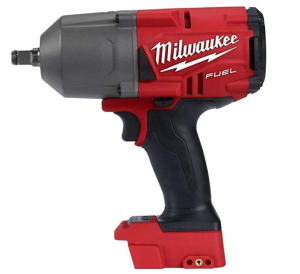
Milwaukee built the 2767-20 as a more powerful upgrade in the M18 high-torque line. The tool measures about 9.65 inches in length. It weighs close to 6 pounds without a battery. Despite higher torque numbers, the body remains compact.
The housing features rubber overmold material. This rubber layer improves grip and protects the tool from damage during drops. The black exterior gives it a rugged appearance.
This model delivers up to 1,000 ft-lbs of fastening torque. Breakaway torque reaches around 1,400 ft-lbs. These numbers exceed the 2763 by a noticeable margin.
The wrench uses a 1/2-inch anvil for socket compatibility. The bare tool version does not include a battery.
Features
Increased Fastening and Breakaway Torque
One thousand ft-lbs fastening torque allows tightening of large structural bolts. One thousand four hundred ft-lbs breakaway torque removes heavily rusted or seized hardware. Heavy truck wheel nuts feel easier to remove.
This torque difference matters in fleet maintenance, industrial repair, and construction environments.
Brushless Motor Performance
The brushless motor maintains steady output under heavy load. The wrench does not lose strength during repeated bolt removal. Heat remains controlled.
Compact High-Torque Frame
Despite higher torque, the tool remains relatively compact. Access in tight engine compartments feels manageable.
Rubber Overmold Protection
Rubber overmold improves comfort and impact resistance. The tool feels secure in hand. Grip remains stable even with oily gloves.
What We Like
Extreme Breakaway Strength
Fourteen hundred ft-lbs tackles extremely stubborn bolts. Mechanics face fewer situations where a breaker bar becomes necessary.
Slightly Lighter Tool Body
At about 6 pounds, the base tool weight feels slightly lighter than the 2763.
Durable and Protected Exterior
Rubber overmold adds drop protection and improves grip comfort.
Strong for Heavy Equipment
The torque rating suits agricultural machinery, construction equipment, and fleet vehicles.
What We Didn’t Like
High Torque Requires Control
Powerful output can over-tighten smaller bolts. Users must control trigger pressure carefully.
Battery Not Included
New users must purchase batteries separately.
Longer Tool Length
Extra length may reduce access in very tight areas.
My Opinion
Milwaukee 2767-20 fits heavy-duty professionals who demand maximum torque. It works well for truck repair, industrial maintenance, and construction jobs. The torque difference feels noticeable in stubborn bolt removal.
Users who regularly deal with seized hardware will appreciate the extra power. Strong. Aggressive. Built for the toughest tasks.
Details Comparison of Milwaukee 2763 vs 2767
Torque output creates the biggest difference. The 2763 provides 700 ft-lbs fastening and 1,100 ft-lbs breakaway torque. The 2767 increases those numbers to 1,000 ft-lbs fastening and about 1,400 ft-lbs breakaway torque. That jump gives the 2767 a clear advantage in extreme situations.
Weight difference remains small. The 2763 weighs around 6.2 pounds. The 2767 weighs about 6 pounds. Real-world difference feels minor.
Control features differ slightly. The 2763 offers two DRIVE CONTROL modes for adjustable torque. The 2767 focuses more on raw power rather than multiple settings.
Build style also separates them. The 2763 uses a metal housing with a red finish. The 2767 uses rubber overmold for extra grip and protection.
General automotive repair fits both models. Heavy equipment and industrial jobs favor the 2767 due to higher torque.
FAQs
Which model delivers more torque?
Milwaukee 2767-20 delivers higher fastening and breakaway torque than Milwaukee 2763-20.
Which tool suits truck lug nut removal better?
Both work well, but the 2767 handles extremely tight lug nuts more easily.
Do both models run on M18 batteries?
Yes. Both operate on Milwaukee M18 18V lithium-ion batteries.
Which wrench feels more balanced for daily shop use?
Many mechanics find the 2763 easier to manage for mixed tasks.
Is the 2767 too powerful for small bolts?
Yes, it can over-tighten smaller fasteners if users apply full trigger pressure.
Which model offers better value for general mechanics?
Milwaukee 2763-20 offers strong torque at a slightly lower power level, which suits most daily automotive work.
Conclusion
Milwaukee 2763-20 delivers strong torque, solid durability, and simple control. It handles most professional automotive and construction tasks with confidence.
Milwaukee 2767-20 pushes torque higher and targets heavy-duty users who face stubborn fasteners every day.
Both tools perform at a professional level. Your workload determines the better choice. Regular automotive repair may favor the 2763. Heavy industrial jobs may demand the 2767.