Milwaukee 2730 vs 2731: Key Differences That Matter on the Jobsite
Power tools shape daily productivity, and small design choices often separate a good cut from a great one. The Milwaukee 2730 and 2731 circular saws attract serious attention from professionals who demand speed, control, and long-term durability.
Both models come from Milwaukee Tool and target users who push tools hard on framing, decking, and remodel projects. Real differences appear in blade orientation, balance, and cutting visibility, all of which affect comfort during long workdays.
Cordless performance plays a major role as well, especially for crews who rely on battery power to stay mobile. Torque delivery, depth capacity, and handling also shape how each saw fits specific tasks.
This comparison breaks down those practical details in a clear way. Clear insights help buyers decide which model matches personal cutting style and jobsite demands without wasting time or money.
Milwaukee 2730 vs 2731 – Full In-Depth Comparison Guide
Cordless circular saws changed how people work on job sites. No cord. No outlet search. No long extension cables across the floor. Just battery power and full movement. Milwaukee built two strong options in the M18 FUEL line that many buyers compare: Milwaukee 2730 and Milwaukee 2731.
Both use brushless motors. Both run on M18 lithium-ion batteries. Both target serious users. Yet blade size, weight, included accessories, and cutting power create clear differences.
This guide explains everything in simple language. Long sections. Clear details. Honest comparison.
Milwaukee 2730
Product Details
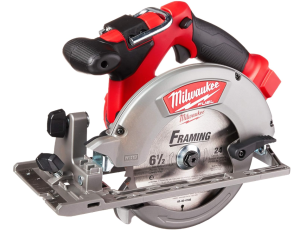
Milwaukee designed the 2730-21 as a compact 6-1/2 inch cordless circular saw. This model belongs to the M18 FUEL system. The package includes one lithium-ion battery, charger, and blade. Buyers can start work immediately after unboxing.
The saw weighs about 8 pounds. That weight includes the tool body. The size measures roughly 17.42 inches long, 6.67 inches wide, and 10.22 inches high. The frame feels solid and balanced in hand. Milwaukee uses durable materials to handle daily job site use.
The blade uses high speed steel and features 24 teeth. This configuration supports smooth cutting on engineered wood and similar materials. The saw cuts at a 90-degree angle and handles straight cross cuts and rip cuts with control.
Milwaukee backs the tool with a five-year warranty. That warranty shows confidence in durability and long-term reliability.
Features
Brushless Motor Technology
The brushless motor improves efficiency. Less internal friction allows smoother power transfer. The motor maintains steady speed during cuts. Dense wood does not slow the blade easily. Heat build-up stays lower compared to brushed motors. Longer motor life becomes a key benefit.
Compact 6-1/2 Inch Blade
The smaller blade improves maneuverability. Tight areas feel easier to handle. Overhead cutting becomes less tiring because of lower tool weight. Finish carpenters and remodelers often prefer this size for control.
M18 Battery System
The saw runs on Milwaukee’s M18 lithium-ion batteries. The included battery allows cordless operation anywhere. Users who already own other M18 tools can swap batteries between devices. This system improves convenience and reduces downtime.
Ergonomic Handle Design
Milwaukee uses thermoplastic elastomer material on the handle. This material improves grip comfort. Long cutting sessions feel less stressful on the hand. The grip shape supports better stability during straight cuts.
Durable Construction
The housing feels strong and well-built. Internal parts resist wear during daily use. Contractors can rely on this saw for repeat cutting tasks.
What We Like
Lightweight and Easy Control
Eight pounds feels manageable for most users. Less fatigue develops during long jobs. Quick adjustments feel simple and smooth.
Good Balance
The tool feels balanced in hand. Straight cuts stay steady. Beginners can adapt without much difficulty.
Battery Included
The kit version includes one lithium-ion battery and charger. No extra purchase needed for first use.
Reliable for Daily Tasks
The saw handles engineered wood and framing lumber for common projects. Remodel work, deck boards, and plywood cutting feel smooth.
Strong Warranty
Five years of tool warranty adds long-term value.
What We Didn’t Like
Limited Cutting Depth
The 6-1/2 inch blade cannot cut as deep as a 7-1/4 inch blade. Thick beams may require two passes.
Not Ideal for Heavy Framing
Large framing jobs demand more depth and torque. This model works better for light to medium tasks.
Slightly Larger Body Length
The overall tool length feels longer compared to some compact competitors.
My Opinion
Milwaukee 2730-21 suits contractors who need control and comfort. Finish carpenters, cabinet installers, and remodelers will appreciate the lighter weight. DIY users who want professional quality will also benefit.
Heavy framing crews may want more blade size. Everyday cutting tasks feel smooth and predictable. This saw focuses on balance and convenience rather than extreme power.
Milwaukee 2731
Product Details
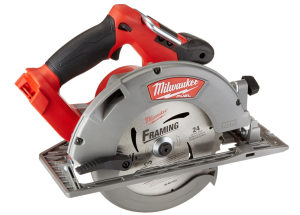
Milwaukee designed the 2731-20 for higher demand tasks. This saw uses a 7-1/4 inch blade, which matches standard corded circular saw size. Many professionals prefer this size for framing and structural cuts.
The tool weighs about 8.5 pounds without a battery. Battery weight increases total weight slightly. The body measures around 13.5 inches long, 7 inches wide, and 11 inches high. The design feels compact for its power level.
This model comes as a bare tool. The package does not include a battery or charger. Buyers must already own M18 batteries or purchase them separately.
Milwaukee includes a high speed steel blade with 24 teeth. The saw supports 90-degree cutting. The tool includes a three-year battery warranty when paired with Milwaukee batteries.
Features
POWERSTATE Brushless Motor
The POWERSTATE motor delivers high torque. Thick lumber cuts feel fast and controlled. The saw maintains blade speed during long rip cuts. Professionals notice steady performance under heavy load.
Larger 7-1/4 Inch Blade
The bigger blade increases cutting depth. One-pass cuts through 2x lumber feel easy. Framing tasks require fewer adjustments. Deep cuts reduce job time.
REDLINK PLUS Intelligence
REDLINK PLUS electronics protect the tool from overload. The system communicates between tool, battery, and charger. This technology improves performance and prevents overheating. Job site safety improves through smart power control.
Magnesium Shoe and Guards
Milwaukee uses magnesium components to reduce weight while keeping strength high. The shoe stays stable during cuts. Guards resist impact damage. Durability remains strong without excessive weight.
LED Light and Rafter Hook
The built-in LED light improves visibility in darker spaces. Basements and indoor job sites benefit from better sight lines. The rafter hook allows easy hanging between cuts. Small features. Big convenience.
What We Like
Strong Cutting Performance
The saw cuts quickly through framing lumber. Power feels close to corded models. Long rip cuts stay smooth.
Greater Cutting Depth
The 7-1/4 inch blade handles thick boards easily. One pass usually finishes the job.
Advanced Electronics
REDLINK PLUS improves reliability and tool protection.
Professional Build Quality
Magnesium parts reduce weight but maintain durability. The tool feels solid and dependable.
Ideal for Heavy Work
Framing, deck building, and structural tasks feel easier with this model.
What We Didn’t Like
Battery Not Included
New buyers must purchase batteries separately. Total cost increases for first-time users.
Slightly Heavier Feel
Extra size and blade weight increase fatigue during overhead cutting.
Less Suitable for Tight Spaces
The larger blade makes small precision cuts more difficult.
My Opinion
Milwaukee 2731-20 fits professional carpenters and framing crews. The power level supports demanding projects. The deeper cut saves time. Contractors who already own M18 batteries will find this saw practical and efficient.
Occasional DIY users may not need this level of power. Heavy tasks. Strong performance. Built for serious work.
Details Comparison of Milwaukee 2730 vs 2731
Blade size creates the biggest difference. The 2730-21 uses a 6-1/2 inch blade. The 2731-20 uses a 7-1/4 inch blade. Larger blades cut deeper and handle thicker lumber in one pass.
Weight differs slightly. The 2730-21 weighs around 8 pounds. The 2731-20 weighs about 8.5 pounds without battery. Lighter weight improves comfort during long sessions. Heavier weight improves stability in deep cuts.
Power output feels stronger in the 2731-20 due to its larger blade and professional motor tuning. The 2730-21 focuses more on balance and maneuverability.
Battery inclusion matters. The 2730-21 kit includes one battery and charger. The 2731-20 requires a separate battery purchase.
User type separates them clearly. Remodelers and DIY users benefit from the 2730-21. Framers and heavy construction workers benefit from the 2731-20.
FAQs
Which saw cuts thicker lumber in one pass?
Milwaukee 2731-20 handles thicker boards due to its 7-1/4 inch blade.
Does Milwaukee 2730-21 include a battery?
Yes. The kit includes one lithium-ion battery and charger.
Which saw feels easier for beginners?
Milwaukee 2730-21 feels easier due to lighter weight and smaller blade.
Can both models use M18 batteries?
Yes. Both operate on Milwaukee M18 lithium-ion batteries.
Which saw suits framing jobs better?
Milwaukee 2731-20 suits framing and structural work better.
Is the price higher for the 2731-20?
Initial cost may increase because the battery and charger are not included.
Conclusion
Milwaukee 2730-21 delivers balance, comfort, and ready-to-use convenience. It handles daily cutting tasks with ease.
Milwaukee 2731-20 delivers deeper cuts, stronger power, and job site durability. It fits heavy construction and framing projects.
Both tools perform well. Blade size, job type, and battery ownership should guide your decision.