Milwaukee 2703 vs 2803: Compact Power Meets Next-Gen Performance
Power drills sit at the core of every serious toolbox, and the battle between the Milwaukee 2703 and the Milwaukee 2803 draws real attention from pros and DIY users alike.
Both models carry the trusted M18 Fuel badge, yet each drill delivers a different experience in hand. The 2703 built its reputation on solid torque, rugged housing, and dependable performance across framing, metal drilling, and heavy fastening tasks.
The 2803 steps forward with a more compact body, improved efficiency, and refined ergonomics that boost control in tight spaces. Size, torque output, battery efficiency, and onboard features separate these two tools in meaningful ways.
This head-to-head breakdown highlights performance differences, real-world usability, and value so you can decide which drill earns a place in your kit with confidence.
Table of Contents
ToggleMilwaukee 2703 vs 2803 – Detailed Real-World Comparison
A drill does more than spin a bit. It carries weight all day. It pulls against your wrist. It drains batteries. It heats up. It decides how fast work gets done and how tired your arms feel at the end of the day.
Two popular drills from Milwaukee often appear in the same conversation: Milwaukee 2703-20 and Milwaukee 2803-20. Both belong to the M18 FUEL line. Both use brushless motors. Both aim at serious users.
Yet daily use tells a deeper story. This guide explains everything in detail. Long explanations. Simple words. Real job scenarios. Clear differences.
Milwaukee 2703
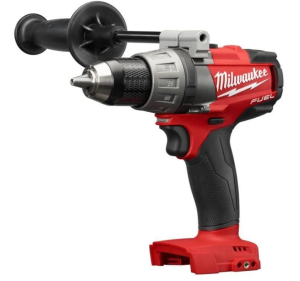
Product Details
Milwaukee designed the 2703 during an earlier phase of the M18 FUEL lineup. The focus stayed clear from the start: strength first, size second. The drill looks thick, solid, and confident. No attempt at looking slim. No focus on compact styling.
The body length measures around 7.4 inches. That length makes the drill feel full-sized. The weight reaches roughly 4.5 pounds with a battery installed. That weight comes from metal internals, a metal chuck, and a strong gear housing. In the hand, the drill feels planted and stable.
This model targets framing carpenters, builders, and heavy users who push tools hard. The drill does not feel delicate. It feels like something built to survive drops, dust, and long shifts.
Features
Powerstate Brushless Motor Performance
The heart of the 2703 is its Powerstate brushless motor. Milwaukee rated it at up to 1,200 inch-pounds of torque. Numbers matter, but feeling matters more. This drill pulls hard the moment the trigger engages.
Large spade bits bite into wood without hesitation. Auger bits continue cutting even when knots appear. Hole saws stay aggressive instead of stalling. That torque allows steady drilling through stacked lumber and pressure-treated boards.
Brushless design reduces friction inside the motor. Less friction means less heat. During long drilling sessions, the drill stays warm but controlled. That matters on framing jobs where dozens of holes appear back-to-back.
Two-Speed Gearbox for Control
Milwaukee equipped the 2703 with a two-speed transmission.
Low gear runs from 0 to 550 RPM. This range delivers control and torque. Thick bits feel safer here. Wrist twist stays manageable.
High gear runs up to 2,000 RPM. This range handles smaller bits, pilot holes, and fast drilling in plywood or metal.
Gear changes feel mechanical and solid. No soft clicking. No doubt about engagement.
Redlink Plus Intelligence
Redlink Plus electronics monitor heat, load, and power draw. The system protects the drill and battery during heavy stress. Power output adjusts automatically if resistance rises too fast.
That protection matters during tough jobs. Instead of burning out the motor, the drill limits damage and keeps running longer over its lifespan.
Chuck and Build Quality
The 1/2-inch all-metal ratcheting chuck grips bits tightly. Slipping remains rare, even during high torque work. The metal gear case adds durability and stability. Drops cause less worry.
This drill feels built for years of work, not just warranty length.
What We Like
Raw torque stands out first. The drill does not slow easily. Heavy drilling feels controlled and confident. Build quality inspires trust. The metal chuck grips firmly. Redlink electronics protect the tool during abuse.
Balance feels stable during straight drilling. Ground-level work feels comfortable. Framing holes feel easy.
What We Didn’t Like
Weight becomes noticeable during overhead drilling. Long body length makes tight corners harder. Battery drains faster under extreme load compared to newer designs. The drill feels bulky next to modern compact models.
My Opinion
Milwaukee 2703 feels like a workhorse. Strength comes first. Comfort comes second. Builders who value power over size will appreciate it. This drill suits rough environments and heavy drilling tasks.
Installers and electricians who work above shoulder height may feel fatigue sooner. For raw strength, this drill still delivers.
Milwaukee 2803
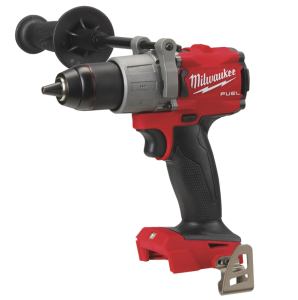
Product Details
Milwaukee released the 2803 as part of a design shift. Power stayed important, but size and balance received more attention. The drill looks shorter, tighter, and more modern.
Body length drops to about 6.9 inches. That reduction changes how the drill feels instantly. Weight feels slightly lower and better balanced. The drill sits closer to the wrist, improving control.
The design targets users who drill all day in mixed conditions. Tight spaces. Cabinets. Stud bays. Overhead work.
Features
Updated Powerstate Brushless Motor
Milwaukee kept the torque rating at 1,200 inch-pounds, same as the 2703. Real use reveals smoother delivery. Power ramps up more evenly. Sudden kickback feels reduced.
Efficiency improves. The motor wastes less energy. Battery runtime increases during light and medium tasks. Heat buildup slows during continuous drilling.
Compact Body Advantage
Shorter length matters in real life. Cabinet installation feels easier. Stud drilling between pipes feels less awkward. Electrical rough-ins benefit from better reach.
Overhead drilling becomes less tiring. Arm strain reduces. Balance improves during angled drilling.
Transmission and Trigger Feel
The two-speed gearbox remains the same on paper. Low gear and high gear match the older model.
Trigger response feels smoother. Speed increases more gradually. Control improves during delicate work like pilot holes or metal drilling.
Advanced Redlink Plus Electronics
The updated electronics communicate more efficiently with the battery. Power adjusts more precisely. Protection activates faster under stress. Battery health improves over time.
What We Like
Compact size changes daily comfort. Balance feels improved. Runtime lasts longer in real conditions. Power remains strong for heavy drilling. Overhead and tight-space work feels easier.
The drill feels refined and modern.
What We Didn’t Like
Torque numbers remain unchanged from the older model. Heavy users may expect more power. Price often runs higher. Extreme framing tasks feel similar to the 2703 rather than stronger.
My Opinion
Milwaukee 2803 suits professionals who work long hours in varied spaces. Comfort and control improve daily workflow. Power stays strong without feeling bulky.
Electricians, installers, and remodelers will notice the difference immediately. This drill feels designed for efficiency and comfort.
Deep Details Comparison
Torque output stays equal on paper. Real differences show in size, balance, and efficiency. The 2703 feels heavier and longer. The 2803 feels shorter and easier to maneuver.
Battery behavior favors the 2803. Under similar workloads, the newer drill often runs longer before needing a swap. Heat management also improves.
Tight spaces favor the 2803 clearly. Rough framing feels similar on both. Durability remains strong across both models.
User comfort becomes the deciding factor more than power.
Real-World Use Scenarios
Framing and Structural Work
Both drills handle framing well. Large bits and hole saws work without stalling. The 2703 feels more planted. The 2803 feels easier to reposition.
Electrical and Plumbing Rough-In
The 2803 shines here. Shorter body clears obstacles. Less wrist strain during repeated drilling.
Overhead Drilling
The 2803 reduces fatigue. Balance improves. The 2703 still works but feels heavier after long sessions.
Battery Management
Both use M18 batteries. The 2803 squeezes more work from each charge during moderate tasks.
FAQs
Does Milwaukee 2803 replace the 2703?
The 2803 represents an updated design, not a complete replacement. Power remains similar.
Which drill feels stronger?
Both feel strong. The 2703 feels more aggressive. The 2803 feels smoother.
Which drill suits daily professional use better?
The 2803 suits daily mixed work better due to comfort and balance.
Is Milwaukee 2703 outdated?
No. It remains powerful and reliable. Size and efficiency lag behind newer models.
Which drill lasts longer over time?
Both offer strong durability when used properly.
Conclusion
Milwaukee 2703 delivers raw strength and rugged build. Milwaukee 2803 delivers the same power in a smaller, more comfortable body. Daily comfort, balance, and efficiency favor the 2803.
Heavy framing users may still appreciate the solid feel of the 2703. Both drills perform at a professional level. Work style decides the better choice.