Is DeWalt a Good Brand?
Many buyers stop and think before buying tools. Money matters. Time matters. Safety matters. A tool brand affects daily work and long-term results. DeWalt appears everywhere.
Job sites show yellow and black tools. Home garages show the same colors. People ask a clear question. Is DeWalt a good brand? This article answers that question with deep detail.
The language stays simple. Sentences stay short and clear. Ideas flow in a natural way. The goal stays honest and practical. Readers should finish this article with confidence and clarity.
What Is DeWalt

Brand history and background
DeWalt started as a small idea. Raymond DeWalt invented a woodworking machine in the early 1900s. That invention improved speed and accuracy in workshops. The brand grew as tools changed.
DeWalt later joined Stanley Black & Decker. That company owns several tool brands. DeWalt remains focused on power tools and jobsite gear. Years of experience shaped the brand image. Growth came from steady improvement rather than quick trends.
Brand focus and philosophy
DeWalt focuses on strength and reliability. Designers build tools for hard work. Engineers test tools under stress. The brand targets users who work long hours.
Tradespeople trust tools that do not quit. DeWalt aims to meet that need. The brand does not chase flashy design. Function stays more important than style.
Build Quality and Materials
Strong construction choices
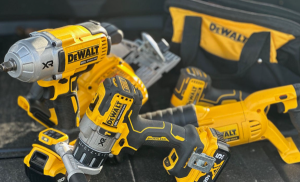
DeWalt tools use thick plastic shells. These shells protect internal parts. Rubber overmold covers grips. That material improves comfort and control.
Metal parts appear in gear housings and shafts. These areas face high stress. Screws and fasteners feel tight and secure. Overall build feels solid and firm in hand.
Resistance to damage
Work environments cause damage. Drops happen. Dust fills the air. Moisture appears on outdoor jobs. DeWalt tools resist these issues well. Housings do not crack easily.
Buttons and switches keep working. Vents allow airflow while blocking large debris. Users report fewer failures from daily abuse.
Long-term wear behavior
Wear shows over time. That reality applies to all tools. DeWalt tools show slow wear patterns. Bearings stay smooth. Motors hold speed. Triggers remain responsive. Proper care extends life even more. Regular cleaning and storage help protect parts.
Performance and Power Output
Power delivery in cordless tools
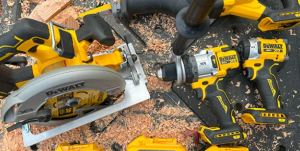
Cordless tools define modern work. DeWalt cordless drills deliver strong torque. Impact drivers sink long screws with ease. Circular saws cut thick lumber without bogging down.
Brushless motors improve efficiency. These motors produce less heat. Energy use stays lower. Power output stays consistent through the battery cycle.
Performance under heavy load
Heavy tasks reveal tool limits. DeWalt tools handle sustained load well. Motors keep speed during long cuts. Gear systems transfer power smoothly.
Overload protection helps prevent damage. Tools slow down rather than fail suddenly. That behavior protects both user and tool.
Accuracy and control during work
Power alone does not solve problems. Control matters. DeWalt triggers offer smooth response. Speed changes feel gradual. That control helps accuracy. Cuts stay straight. Holes stay centered. Adjustable settings help match tool behavior to task needs.
Battery System and Charging
Overview of the battery platform
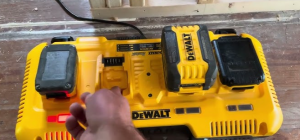
DeWalt built a wide battery platform. The 20V MAX system supports many tools. One battery fits drills, saws, lights, and outdoor tools.
FlexVolt batteries switch voltage automatically. That design allows one battery to power both light and heavy tools. Compatibility adds strong value.
Battery runtime in real tasks
Runtime depends on task type. Light drilling uses less energy. Cutting thick material uses more energy. Larger battery packs last longer.
Brushless motors extend runtime. Users often finish full tasks on one charge. Spare batteries reduce downtime even more.
Charging speed and efficiency
Chargers work fast and reliably. Compact chargers suit small batteries. Fast chargers handle large packs. Heat management protects battery health. Indicator lights show charge status clearly. Users plan work better with clear signals.
Battery lifespan and care
Battery life depends on care. Proper storage helps. Avoiding extreme heat helps. Partial discharge cycles help. Many users report years of battery use. Replacement costs exist but remain reasonable for long-term value.
Range of Tools and Equipment
Power tool selection
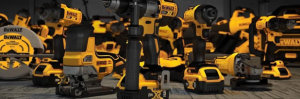
DeWalt offers a wide selection. Drills, drivers, saws, grinders, sanders, and nailers appear in the lineup. Each category includes several models.
Options differ in size, power, and features. Users choose tools based on job needs. That variety supports many trades.
Hand tools and accessories
Hand tools support power tools. DeWalt tape measures feel sturdy. Pliers and wrenches offer firm grip. Hammers balance weight well. Blades and bits match tool performance. Accessory quality matches main tools.
Outdoor and jobsite solutions
Outdoor tools expand usefulness. Battery mowers reduce noise. Trimmers and blowers simplify yard work. Jobsite radios and lights improve comfort and safety. Storage boxes protect tools during transport.
Ease of Use and Ergonomics
Comfort during long use
Comfort affects productivity. DeWalt designs grips with shape and texture in mind. Handles fit average hand sizes well. Weight distribution reduces strain. Balanced tools reduce wrist fatigue. Long sessions feel more manageable.
Simple controls and adjustments
Controls feel intuitive. Switch placement feels natural. Adjustments work smoothly. Depth guides and fences move easily. Clear markings help accuracy. Users adjust settings quickly without frustration.
Learning experience for beginners
New users learn fast. Tool behavior feels predictable. Manuals explain features clearly. Online videos support learning. Beginners gain confidence quickly.
Safety Design and Protection
Built-in safety features
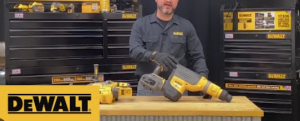
Safety remains important. DeWalt includes electric brakes on many tools. These brakes stop blades quickly. Overload protection prevents motor damage. Anti-kickback systems improve control. Guards and covers protect hands.
User responsibility and awareness
Safety features help but do not replace care. Protective gear matters. Proper stance matters. DeWalt designs support safe work but user habits remain critical.
Price and Overall Value
Understanding the price range
DeWalt tools cost more than budget brands. Entry kits offer lower prices. Professional tools cost more. Prices reflect materials and performance. Long-term use often justifies cost.
Value over time
Value shows over years. Durable tools reduce replacement needs. Consistent performance saves time. Battery sharing reduces extra costs. Many users find strong return on investment.
Comparison with cheaper options
Cheaper tools save money at purchase. Performance often drops sooner. Repairs become frequent. DeWalt tools last longer. That difference matters for regular use.
DeWalt Compared to Other Brands
DeWalt and Makita comparison
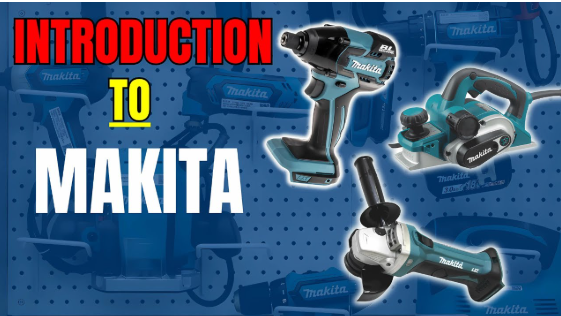
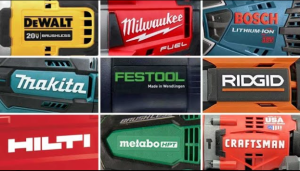
Makita focuses on smooth operation. DeWalt focuses on rugged power. Both brands perform well. Choice depends on feel and task type. Many users test both before deciding.
DeWalt and Milwaukee comparison
Milwaukee targets heavy-duty work. DeWalt competes closely. Battery systems differ. Tool design differs. Performance remains similar in many tasks.
DeWalt and Bosch comparison
Bosch emphasizes precision. DeWalt emphasizes durability. Woodworkers may prefer Bosch. Contractors may prefer DeWalt. Both brands hold strong reputations.
Warranty and Customer Support
Warranty coverage details
DeWalt offers a standard warranty. Defects receive coverage. Money-back periods allow early testing. Registration simplifies service claims.
Repair and service experience
Service centers exist in many regions. Parts availability supports repairs. Turnaround times vary. Many users report fair support experiences.
Reliability over many years
Long-term reliability defines brand value. DeWalt tools often last many years. Regular maintenance helps. Battery replacement becomes main long-term cost.
Ideal Users for DeWalt Tools
Professional tradespeople
Professionals rely on tools daily. DeWalt meets that demand. Durability and power support heavy schedules. Tool variety supports many trades.
Homeowners and DIY users
Home users also benefit. Kits offer good value. Tools feel easy to handle. Power exceeds typical home needs.
Students and apprentices
Students need reliable tools. DeWalt provides consistency. Learning becomes smoother with dependable equipment.
Common Complaints and Limits
Tool weight concerns
Some tools feel heavy. Larger batteries add weight. Overhead work may cause fatigue. Smaller batteries reduce weight but reduce runtime.
Battery replacement cost
Batteries cost money. Large packs cost more. Careful use reduces replacement frequency.
Feature differences across models
Entry models lack some features. Professional models include more options. Buyers should check specs carefully.
Maintenance and Care Advice
Cleaning and inspection
Dust affects performance. Regular cleaning helps airflow. Visual checks catch issues early. Simple care extends life.
Proper storage habits
Dry storage protects electronics. Cases prevent damage. Battery removal helps long storage.
Battery care practices
Moderate charging habits help battery health. Avoid deep drain when possible. Avoid extreme temperatures.
Real User Feedback

Contractor opinions
Contractors praise durability. Many trust DeWalt for daily work. Downtime stays low. Tool failure rates stay manageable.
Home user impressions
Home users enjoy ease of use. Kits receive positive feedback. Learning feels less stressful.
Review trends and ratings
Online ratings remain high. Praise focuses on strength and reliability. Complaints focus on price and weight.
Environmental and Energy Considerations
Battery tools and work environment
Battery tools reduce noise. Indoor air stays cleaner. Work feels more comfortable.
Efficiency efforts by the brand
Brushless motors save energy. Improved battery tech reduces waste. Packaging efforts continue to improve.
Buying Tips for Smart Choices
Selecting the right tool kit
Kits offer savings. Common tools come together. Shared batteries add value.
Reading specifications carefully
Specs guide decisions. Torque and speed matter. Matching tool to task prevents frustration.
Avoiding unnecessary purchases
Buying only needed tools saves money. Experience guides future upgrades.
FAQs
Is DeWalt a good brand for beginners?
Yes. Tools feel easy to control. Kits include essential tools. Learning feels smooth.
Do DeWalt tools last a long time?
Many users report long service life. Proper care improves results. Heavy use still shows good durability.
Are DeWalt batteries compatible across tools?
Yes. The 20V MAX system supports many tools. FlexVolt adds more flexibility.
Does DeWalt cost more than other brands?
Prices sit in the mid to high range. Build quality supports the cost. Long life improves value.
Can home users rely on DeWalt tools?
Home users can rely on them. Power meets home tasks easily. Ease of use supports beginners.
Does DeWalt offer reliable warranty support?
Warranty coverage remains solid. Service centers handle repairs. Registration simplifies the process.
Conclusion
DeWalt proves itself as a dependable tool brand. Build quality stays strong. Performance meets real work demands. Battery systems offer flexibility.
Tool variety supports many users. Prices reflect durability and long-term value. Professionals gain clear benefits. Home users also enjoy reliability and ease of use.
Care and smart choices improve results even more. DeWalt earns its reputation through consistent performance and trusted design.