Why Is Makita So Expensive?
Makita stands among the top power tool brands worldwide. Professionals, hobbyists, and DIY users trust it for work that demands reliability. Despite its popularity, many notice Makita tools cost more than other brands.
People often ask, “Why pay so much?” Understanding the reasons behind the price reveals the value beyond the label. This article explains why Makita tools are expensive. It examines materials, technology, design, manufacturing, brand reputation, and more.
It also includes real-world comparisons, practical examples, and tips to make sense of the cost. By the end, you will understand why Makita commands a premium price and whether it is worth it.
Introduction to Makita
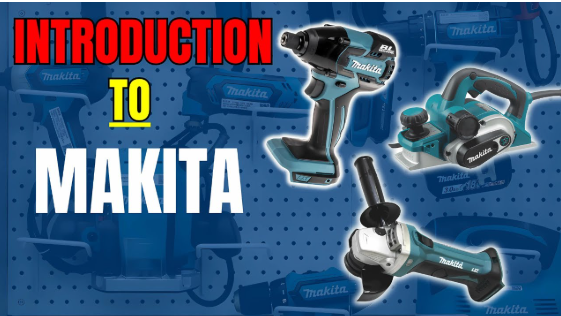
Makita began in 1915 in Japan. The company started as an electric motor repair shop. Over the decades, it evolved into one of the largest power tool manufacturers in the world. Today, Makita produces more than 300 types of tools, including drills, saws, grinders, and outdoor equipment.
Makita focuses on three main areas:
-
Professional-grade performance – Tools that can handle daily heavy-duty work.
-
Longevity – Products that last for years without frequent repairs.
-
Safety – Tools designed to reduce injuries and accidents.
This focus adds value but also increases cost.
High-Quality Materials and Components
Makita uses materials designed to last and perform reliably. Quality starts with the parts. Low-cost tools often use cheaper metals and plastics that break quickly.
-
Durable metal components: Steel and aluminum parts resist wear, corrosion, and heat. Internal gears, motor housings, and fasteners are strong and precise.
-
Impact-resistant plastic casings: Handles and outer shells survive drops, impacts, and heavy use.
-
Precision engineering: Small parts, such as bearings and screws, fit tightly, ensuring smooth operation.
Investing in these materials raises production costs. Cheaper tools might save money initially but fail sooner.
Example: A Makita drill can survive a fall from a 6-foot ladder, while a cheaper drill may crack or jam.
Advanced Motor Technology
The motor defines a tool’s strength and reliability. Makita invests heavily in motor technology, giving tools high performance.
-
Brushless motors: Many Makita tools use brushless motors. These last longer, generate less heat, and need less maintenance.
-
High efficiency: Brushless motors deliver more power with less energy. Batteries last longer, saving downtime.
-
Consistent performance: Even under heavy workload, Makita tools maintain speed and torque.
Real-world benefit: Electricians using drills all day can work without worrying about motor burnout.
Battery Technology
Cordless tools need strong, durable batteries. Makita uses advanced lithium-ion batteries with smart electronics.
-
Long runtime: High-quality batteries hold charge longer, allowing longer work sessions.
-
Fast charging: Users spend less downtime waiting for batteries to charge.
-
Battery management system: Protects against overheating, overcharge, and short circuits.
Battery quality raises the tool cost but ensures consistent, safe performance.
Tip: Many Makita tools use the same battery platform. This allows users to switch batteries between drills, saws, and lights. Cheaper brands often require separate batteries for each tool.
Strict Quality Control
Makita tests every tool before it reaches stores. This ensures durability, performance, and safety.
-
Durability tests: Tools survive drops, vibration, and torque stress.
-
Performance tests: Motors, blades, and gears are checked for proper speed and torque.
-
Safety tests: Tools meet international safety standards.
Example: Makita chainsaws are tested to operate continuously for hours without overheating. Cheaper chainsaws may fail after short use.
Research and Development
Makita invests millions in research and development (R&D). Every new tool design requires testing and refinement.
-
New technologies: Improved motors, battery systems, and ergonomics.
-
Problem-solving: Engineers test tools in real work conditions to fix weaknesses.
-
Innovation: Each new product aims to improve performance and reliability.
Effect on price: Development and testing costs are included in the retail price. Customers pay for years of engineering.
Brand Reputation and Trust
Makita has a strong global reputation. Professionals rely on the brand to deliver tools that last.
-
Decades of experience: Operating since 1915, Makita has decades of engineering knowledge.
-
Professional trust: Contractors, carpenters, and mechanics choose Makita for heavy daily use.
-
Warranty and support: Makita offers multi-year warranties and good customer service.
A trusted brand allows Makita to charge higher prices. Customers pay for reliability and peace of mind.
Ergonomic Design and Comfort
Comfort matters in long work sessions. Makita invests in tool design to reduce user fatigue.
-
Balanced weight: Tools are easier to handle.
-
Soft grips: Reduce vibration and hand strain.
-
Smart controls: Switches and buttons are placed for convenience.
Example: A Makita cordless drill can be used for hours without hand cramps, unlike cheaper alternatives.
Durability and Longevity
Makita tools are designed to last many years, even under heavy use.
-
Long lifespan: Tools often last 5–10 years.
-
Heavy-duty work: Tools handle tough jobs without breaking.
-
Cost savings: Less frequent replacement saves money over time.
Scenario: A carpenter using Makita saws daily avoids replacing broken tools every year, unlike cheaper alternatives.
Wide Product Range and Tool Compatibility
Makita produces hundreds of tools for various needs: construction, woodworking, automotive, and gardening.
-
Interchangeable batteries: Most cordless tools use the same battery system.
-
Tool combos: Kits save money for professionals.
-
Specialty tools: Makita makes products like LED lights, lawn equipment, and demolition hammers.
Developing and producing many types of tools increases cost but adds convenience and value.
International Manufacturing Standards
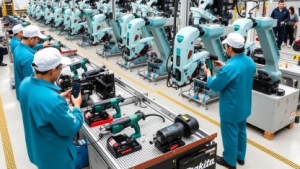
Makita manufactures tools globally. Factories in Japan, the U.S., Germany, and China maintain strict standards.
-
Quality consistency: Tools from any factory perform similarly.
-
Skilled labor: Workers are trained for precise assembly.
-
Safety standards: All products meet international safety rules.
Meeting these standards raises production costs, contributing to higher retail prices.
Advanced Safety Features
Safety is a priority. Makita tools have features that protect users and prevent accidents.
-
Electric brakes: Motors stop instantly when the trigger is released.
-
Overload protection: Prevents motor burnout under heavy work.
-
Anti-vibration systems: Reduce fatigue and risk of injury.
-
LED indicators: Display battery life and warnings.
Safety technology adds to cost but protects the user.
Marketing and Distribution Costs
Makita invests in global marketing, sales, and distribution.
-
Worldwide presence: Tools are sold in over 100 countries.
-
Authorized dealers: Ensures genuine tools and proper warranties.
-
Customer support: Teams assist with repairs, questions, and replacements.
Marketing, logistics, and support increase overall costs.
Comparison with Cheaper Brands
Cheaper brands look similar but fail under heavy use. Makita tools may cost 2–3 times more, but they offer significant advantages.
| Feature | Makita | Cheaper Brand |
|---|---|---|
| Motor | Brushless, long-lasting | Brushed, short life |
| Battery | Long runtime, smart protection | Short runtime, no protection |
| Materials | High-grade steel, impact-resistant plastic | Low-quality metal, thin plastic |
| Safety | Electric brake, anti-vibration | Few safety features |
| Warranty | 3–5 years | 1 year or less |
| Ergonomics | Balanced, soft grips | Basic, heavy |
| Tool lifespan | 5–10 years | 1–2 years |
| Global support | Available | Limited |
Paying more ensures durability, safety, and long-term savings.
Practical Examples of Makita Use
-
Construction workers: Use drills, saws, and grinders daily. Makita tools survive daily use without failure.
-
Woodworkers: Consistent motor speed helps precise cuts. Cheaper tools may overheat or slow down.
-
Gardeners: Makita lawnmowers, trimmers, and chainsaws handle tough jobs without breaking.
-
DIY enthusiasts: Even occasional users benefit from long-lasting batteries and comfort features.
These examples show why higher cost translates into reliable performance.
How Makita Maintains Its Price
Makita maintains prices through:
-
High-quality materials and precise components
-
Advanced motor and battery systems
-
Strict quality control
-
Research and development investments
-
Strong brand reputation and customer trust
-
Ergonomic and user-friendly design
-
Durability and long lifespan
-
Safety features and compliance
-
Marketing, distribution, and customer support
Each factor adds to the cost but ensures better performance and reliability.
Frequently Asked Questions
1. Are Makita tools worth the high price?
Yes. They last longer, perform better, and reduce maintenance costs.
2. Why do Makita batteries cost more?
Makita uses high-quality lithium-ion batteries with smart protection features.
3. Can cheaper tools perform the same?
Cheap tools work for light jobs but fail under heavy use. Makita tools handle tough work better.
4. Does Makita offer warranties?
Most tools have a 3–5 year warranty.
5. Are Makita tools safe?
They include electric brakes, overload protection, and anti-vibration systems.
6. Can I get replacement parts?
Yes. Makita provides parts worldwide, extending tool lifespan.
7. How long do Makita tools last?
With proper care, most tools last 5–10 years.
8. Are Makita tools good for beginners?
Yes. Their ease of use and safety features help new users.
9. Are Makita tools better than DeWalt or Bosch?
Each brand has strengths. Makita is known for durability, battery technology, and ergonomics.
10. Why are cordless Makita tools more expensive?
Advanced batteries, brushless motors, and smart electronics increase cost but provide longer runtime and safety.
Final Thoughts
Makita tools cost more because the company focuses on performance, durability, and safety at every step. From the materials they use to the motors, batteries, and ergonomic designs, Makita invests in every detail to make tools that work reliably for years.
Paying more upfront does not just buy a tool it buys peace of mind. Users know their tool will handle tough jobs, survive heavy use, and last far longer than cheaper alternatives. Durability matters. Cheaper tools may break after a few months or a year, forcing users to replace them often.
Makita tools are designed to last for many years. For professionals who rely on tools every day, this reliability saves time, frustration, and money in the long run. Even DIY enthusiasts benefit, as tools remain dependable through multiple projects and occasional heavy use.
Safety is another important factor. Makita tools include advanced safety features such as electric brakes, anti-vibration systems, and overload protection. These features reduce the risk of accidents and make working with power tools less stressful.
Safety-focused design requires engineering, testing, and higher-quality parts, which naturally increase the price. Comfort and ease of use also justify Makita’s price. Tools are balanced, ergonomic, and lighter in the hand.
Soft grips and well-placed controls reduce fatigue, making long work sessions easier. For users who spend hours drilling, cutting, or trimming, this comfort becomes a significant advantage over cheaper, poorly designed alternatives.
Makita also invests heavily in research and development. Every new tool undergoes extensive testing to improve performance, longevity, and user experience.
The company experiments with motors, battery systems, and tool ergonomics to ensure users get the best combination of power, reliability, and comfort. These innovations take time and money but result in tools that consistently perform well in real-world conditions.
Finally, Makita’s brand reputation and global support add value. Professionals trust Makita for heavy-duty use because the company has delivered quality for over a century.
Customers also get access to warranties, replacement parts, and support worldwide. Cheaper brands often fail in these areas, leaving users with limited help if tools break.
Investing in Makita means investing in a tool that works reliably, is safe to use, comfortable, and lasts for years. The higher price reflects quality, research, durability, and support.
For professionals, contractors, and serious DIYers, this investment pays off in long-term savings, better results, and peace of mind. Even for occasional users, Makita tools offer unmatched reliability compared to cheaper alternatives.
In short, paying more for Makita is not just about the brand name. It is about getting tools that perform consistently, protect the user, last for years, and make work easier and safer.
For anyone who wants dependable performance and long-term value, Makita justifies its price through quality, technology, safety, comfort, and global trust.