How Long Does It Take to Charge a DeWalt Battery?
A DeWalt battery plays a key role in cordless tools. Drills rely on it. Saws depend on it. Outdoor tools also need steady battery power. A dead battery stops work fast. Many users ask the same question before starting a project. How long does charging really take?
Charging time never stays the same for every battery. Size changes the result. Charger speed changes the result. Temperature also changes the result. Knowing these details helps plan work time better. No guessing. No wasted hours.
This guide explains charging time in a clear way. Each section uses short sentences. Each idea stays simple. Non-native readers can follow every step without stress.
What Controls DeWalt Battery Charging Time
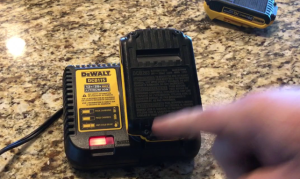
Charging speed depends on several elements. Each one affects the final time.
Battery Capacity Size
Battery size uses an Ah number. Ah means amp-hour. A higher Ah means more stored energy.
Small batteries fill fast. Large batteries fill slow. Bigger storage needs more time.
Examples:
-
2Ah battery stores little power
-
5Ah battery stores more power
-
12Ah battery stores the most power
More stored energy equals longer charging time.
Charger Power Output
DeWalt makes different chargers. Each charger sends power at a different rate.
A slow charger sends less power. A fast charger sends more power. A rapid charger sends the most power allowed safely.
Same battery.
Different charger.
Different result.
Battery Condition and Age
New batteries accept power quickly. Old batteries charge slower.
Heat reduces charging speed. Cold also slows charging. Dirty metal contacts block power flow.
Clean and healthy batteries perform better every time.
Understanding DeWalt Battery Types

DeWalt sells several battery families. Each family behaves differently.
DeWalt 20V MAX Batteries
20V MAX batteries power most DeWalt tools. Sizes range from 1.3Ah to 12Ah.
Charging time changes based on size and charger type.
DeWalt FlexVolt Batteries
FlexVolt batteries change voltage automatically. These batteries work with 20V and 60V tools.
FlexVolt batteries store more energy. Charging time stays longer than standard batteries.
Average Charging Time by Battery Size

Below are typical time ranges. Actual time may change slightly.
Small DeWalt Batteries (1.3Ah – 2Ah)
Small batteries suit light tools. Charging stays quick.
Typical charging time:
-
30 minutes
-
Up to 60 minutes
Fast chargers often reduce time further.
Medium DeWalt Batteries (3Ah – 4Ah)
Medium batteries balance size and runtime.
Typical charging time:
-
60 minutes
-
Up to 90 minutes
These batteries work well for drills and impact drivers.
Large DeWalt Batteries (5Ah – 6Ah)
Large batteries support heavier tools.
Typical charging time:
-
90 minutes
-
Up to 2 hours
Rapid chargers help reduce waiting.
Extra-Large DeWalt Batteries (8Ah – 12Ah)
Extra-large batteries power demanding tools.
Typical charging time:
-
2 hours
-
Up to 4 hours
FlexVolt batteries fall into this group.
Charging Time for DeWalt FlexVolt Batteries

FlexVolt batteries contain more cells. More cells need more charging time.
Common FlexVolt Sizes and Times
-
6Ah FlexVolt: around 90 minutes
-
9Ah FlexVolt: around 2 hours
-
12Ah FlexVolt: up to 4 hours
Rapid chargers shorten these times.
DeWalt Charger Types Explained

Understanding charger types helps choose the right setup.
Standard DeWalt Charger
Standard chargers focus on battery safety.
Charging speed:
-
Slowest option
-
Gentle power flow
Standard chargers suit home use and overnight charging.
Fast DeWalt Charger
Fast chargers deliver higher current.
Charging speed:
-
Faster than standard chargers
-
Good balance of speed and safety
Many jobsite users prefer fast chargers.
Rapid DeWalt Charger
Rapid chargers deliver the highest safe power level.
Charging speed:
-
Fastest option
-
Best for large batteries
Cooling systems protect batteries during fast charging.
LED Light Signals on DeWalt Chargers
Lights show charging status clearly.
Common Light Patterns
-
Blinking light means charging
-
Solid light means fully charged
-
No light means no power
Some chargers show a delay light during temperature checks.
Temperature Effects on Charging Time
Battery chemistry reacts strongly to temperature.
Charging in Hot Conditions
Heat slows charging. Chargers reduce current to protect cells.
Very hot batteries may pause charging until cooling occurs.
Charging in Cold Conditions
Cold reduces chemical reaction speed. Charging slows down.
Chargers may delay charging until battery temperature rises.
Best Temperature Range
Room temperature works best.
Ideal range:
-
50°F to 85°F
-
10°C to 30°C
Charging within this range keeps speed stable.
Why Charging Time Sometimes Feels Too Long

Several issues create long charging times.
Battery Cooling Delay
Chargers stop charging when batteries feel too hot. Cooling takes time.
Patience prevents damage.
Battery Age and Wear
Old batteries lose efficiency. Charging takes longer over time.
Replacement restores performance.
Dust and Dirt on Contacts
Dust blocks electricity flow.
Clean metal contacts improve charging speed.
How to Speed Up Charging Safely
Speed matters. Safety matters more.
Helpful Charging Tips
-
Use the correct charger model
-
Charge batteries indoors
-
Keep charger vents clear
-
Avoid charging immediately after heavy use
Simple habits protect battery health.
Charging at Home Versus Charging on the Jobsite
Environment affects results.
Home Charging Benefits
Stable temperature improves charging speed. Clean surfaces protect contacts.
Home charging stays more reliable.
Jobsite Charging Challenges
Heat, dust, and moisture slow charging. Shade helps reduce heat buildup.
Protect chargers from dirt when possible.
Charging Cycles and Battery Life
A charge cycle equals full discharge and full recharge.
Every battery supports a limited number of cycles.
Good charging habits extend cycle life.
How Long a Full Charge Powers a Tool
Runtime depends on tool type and workload.
Examples:
-
Drill uses little power
-
Circular saw uses more power
-
Grinder drains power quickly
Higher Ah means longer runtime.
Proper Storage and Charging Habits
Storage affects future charging speed.
Smart Storage Practices
-
Store batteries partially charged
-
Avoid full discharge before storage
-
Keep batteries dry
Simple care prevents long-term damage.
Signs of Charging Problems
Certain signs point to battery or charger issues.
Common Warning Signs
-
Battery never reaches solid light
-
Charger blinks rapidly
-
Battery feels unusually hot
These signs suggest aging or damage.
How Long Charging Takes Compared to Other Brands
DeWalt charging speed stays competitive.
Fast chargers place DeWalt among the quicker systems. Large batteries still require patience across all brands.
Battery size always matters more than brand name.
Myths About DeWalt Battery Charging
Some beliefs cause confusion.
Common Myths
-
Fast chargers ruin batteries
-
Overnight charging damages batteries
-
Bigger batteries charge at same speed
Modern chargers manage power safely.
Best Charging Routine for Daily Users
Routine improves performance.
Recommended Routine
-
Charge batteries after cooling
-
Rotate batteries during work
-
Store chargers clean and dry
Routine saves time long-term.
FAQs
How long does a DeWalt 20V battery take to charge?
Charging time ranges from 30 minutes to 2 hours. Battery size and charger type decide the result.
Does a fast charger reduce battery life?
DeWalt designs fast chargers with protection systems. Correct use keeps batteries safe.
Can batteries stay on chargers overnight?
Yes. DeWalt chargers stop charging automatically once full.
Why does my charger stop charging suddenly?
Temperature protection may pause charging. Cooling or warming resolves the issue.
Do larger batteries always charge slower?
Yes. Larger batteries store more energy and require more time.
Can one charger handle all DeWalt batteries?
Most 20V chargers support all 20V packs. FlexVolt chargers also support 20V batteries.
Conclusion
Charging a DeWalt battery takes different amounts of time. Battery size plays a big role. Small batteries charge fast. Large batteries need patience. Charger type also changes the result. A standard charger works slowly.
A fast or rapid charger saves time. Battery condition matters as well. New batteries charge better. Old batteries slow down. Temperature affects everything. Heat slows charging. Cold slows charging too.
Room temperature gives the best result. Clean contacts help power flow. Dirty contacts waste time. Simple cleaning improves charging speed. Good habits protect battery life. Let batteries cool before charging.
Avoid full drain every time. Store batteries in a dry place. Keep chargers clean. These small actions add up over time. Clear knowledge removes guesswork. Better planning reduces downtime. A charged battery keeps tools ready. Work moves forward without delay. Understanding charging time makes every job easier and smoother.
Power matters.
Time matters.
Preparation matters.
A well-charged DeWalt battery supports steady work and fewer breaks.