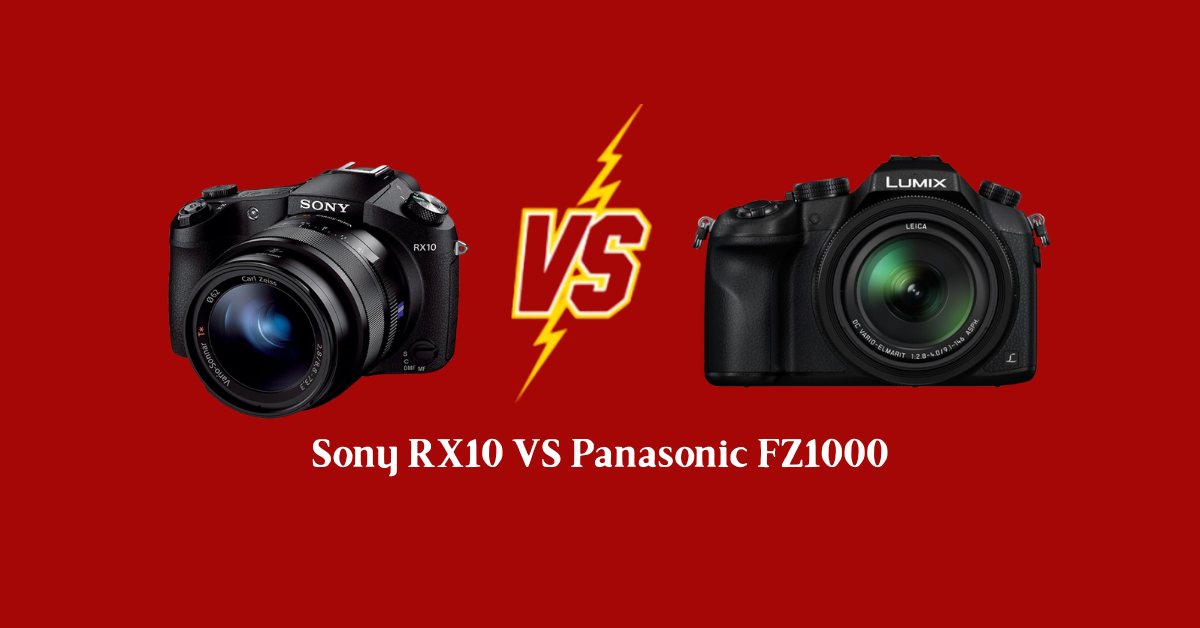
Sony RX10 vs Panasonic FZ1000: Battle of the Bridge Cameras
The Sony RX10 and Panasonic FZ1000 stand among the best bridge cameras for enthusiasts who want DSLR-level performance in a single package.
Both models pack large sensors, powerful zoom lenses, and impressive video capabilities, making them perfect for travel and everyday photography.
The Sony RX10 delivers sharp detail, a constant f/2.8 aperture, and excellent dynamic range that appeals to those who shoot in varied lighting conditions.
The Panasonic FZ1000 offers a longer zoom, responsive autofocus, and 4K video recording that gives creators more reach and flexibility.
Each camera targets a slightly different type of user—one focused on low-light and premium build, the other on range and value. The real difference lies in how each handles speed, usability, and creative control.
Exploring these differences helps reveal which camera suits your shooting style and delivers the best all-around performance for stills and video.
Sony RX10 vs Panasonic FZ1000: Which Superzoom Camera is Worth It?
Bridge cameras are perfect for those who want DSLR-like power without changing lenses. Two strong options in this category are the Sony RX10 and the Panasonic FZ1000. Both cameras feature large 1-inch sensors, fast lenses, and impressive zoom ranges.
The RX10 focuses on image quality, bright optics, and solid build. It feels professional and delivers excellent results in both daylight and dim conditions. The FZ1000, on the other hand, emphasizes 4K video, a longer zoom lens, and faster shooting.
These two cameras target travel photographers, wildlife enthusiasts, and vloggers who need versatility in one body. This detailed comparison explains their features, advantages, and drawbacks, helping you decide which camera fits your creative needs best.
Sony RX10
About This Tool
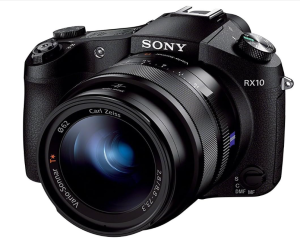
The Sony Cyber-shot RX10 is a premium bridge camera that blends DSLR-like control with a fixed lens design. It has a 20.2MP 1-inch BSI CMOS sensor and a 24–200mm equivalent f/2.8 Carl Zeiss Vario-Sonnar T lens*. The constant f/2.8 aperture ensures consistent brightness through the entire zoom range.
The camera records Full HD 1080p video at up to 60 frames per second and captures RAW images for advanced editing. Its built-in optical image stabilization reduces blur during handheld shots. With a 3-inch tilting LCD and high-resolution OLED viewfinder, framing shots feels natural.
Connectivity options like Wi-Fi and NFC make sharing photos fast and easy. It weighs around 1.8 pounds, giving a solid and balanced grip.
Features
-
20.2MP 1-inch BSI CMOS sensor
-
24–200mm f/2.8 constant aperture zoom lens
-
Full HD video recording (60p/30p)
-
Optical SteadyShot image stabilization
-
ISO range: 125–12800
-
3-inch tilting LCD screen
-
High-res OLED electronic viewfinder
-
Built-in Wi-Fi and NFC for remote control and sharing
-
Weather-sealed magnesium-alloy body
What We Like
-
Large 1-inch sensor delivers sharp, detailed images
-
Constant f/2.8 aperture provides consistent brightness
-
Excellent build quality and weather resistance
-
Smooth manual zoom and focus rings feel professional
-
Reliable autofocus and great image stabilization
-
Comfortable handling with DSLR-like design
What We Didn’t Like
-
No 4K video recording in this model
-
Limited zoom compared to rivals (only 8.3x)
-
Slightly heavier than other bridge cameras
-
Battery life could be better during long sessions
My Opinion
The Sony RX10 is an ideal camera for photographers who care about image quality and low-light performance. It feels more like a compact DSLR than a point-and-shoot. The constant f/2.8 lens makes it great for portraits, travel, and even sports under daylight.
If 4K video isn’t essential and you value clarity, color accuracy, and build quality, the RX10 is a reliable long-term companion.
Panasonic FZ1000
About This Tool
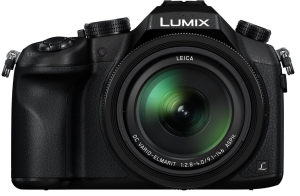
The Panasonic Lumix FZ1000 is a powerful bridge camera designed for both photography and videography. It packs a 20.1MP 1-inch MOS sensor and a Leica DC Vario-Elmarit 25–400mm f/2.8–4 lens. That 16x optical zoom gives excellent reach for distant subjects.
The FZ1000 stands out for its 4K UHD video recording at 30 fps, letting you extract 8MP stills from video footage. Its 5-axis optical image stabilization keeps shots steady even at maximum zoom. The 2.36M-dot OLED viewfinder and 3-inch LCD deliver clear, detailed previews.
The camera supports continuous shooting up to 12 fps, making it ideal for action and wildlife shots. It weighs around 1.4 pounds, slightly lighter than the RX10 despite its longer zoom.
Features
-
20.1MP 1-inch MOS sensor
-
16x optical zoom (25–400mm equivalent)
-
4K UHD video at 30 fps and Full HD at 60 fps
-
5-axis optical image stabilization
-
ISO range: 80–25600
-
Burst shooting up to 12 fps
-
High-res 2.36M-dot OLED viewfinder
-
Built-in Wi-Fi for sharing and remote shooting
What We Like
-
Excellent 4K video quality
-
Long 400mm zoom reach
-
Fast autofocus and continuous burst mode
-
Sharp images from wide to telephoto range
-
Good stabilization for handheld shooting
-
Value for money considering its features
What We Didn’t Like
-
Bulkier body, not pocket-friendly
-
Aperture narrows to f/4 at long zoom
-
No touchscreen controls
-
Battery drains quickly during 4K recording
My Opinion
The Panasonic FZ1000 is a strong performer for both stills and video. Its 4K recording and long zoom lens make it great for travel, vlogging, and wildlife. The autofocus system locks quickly, and stabilization works well, even in handheld shots.
If you need a single camera that handles photos and videos equally well, the FZ1000 delivers more flexibility than most cameras in its class.
Detailed Comparison of Sony RX10 vs Panasonic FZ1000
Both the Sony RX10 and Panasonic FZ1000 share many similarities, such as their 1-inch sensors, bright lenses, and pro-style handling. But they differ in priorities.
The RX10 focuses on premium photo performance with its constant f/2.8 aperture and sturdy weather-sealed body. It offers better control, smoother lens operation, and more consistent image brightness across the zoom range. Photographers who prefer manual settings and top-notch optics will enjoy this camera more.
The FZ1000, on the other hand, emphasizes versatility. It offers 4K video, longer zoom, and faster continuous shooting. It’s better suited for video creators and users who want to capture distant subjects without changing gear. Its autofocus system is quick, and 4K Photo mode adds creative flexibility.
For low-light shooting, the RX10 performs slightly better due to its constant aperture. For video and zoom range, the FZ1000 clearly wins.
Both are heavier than compact cameras but much lighter than DSLRs with equivalent lenses.
FAQs
Q1: Which camera offers better zoom?
The Panasonic FZ1000. Its 25–400mm range gives you more reach than the RX10’s 24–200mm lens.
Q2: Which camera is better for video?
The FZ1000 records in 4K, while the RX10 only supports Full HD. So, Panasonic wins for video.
Q3: Which performs better in low light?
The RX10’s constant f/2.8 lens provides better low-light results, especially at full zoom.
Q4: Which camera is easier to carry during travel?
The FZ1000 is slightly lighter, but both are mid-sized bridge cameras—not compact.
Q5: Which camera is better for beginners?
Both are user-friendly, but the FZ1000’s automatic modes and 4K photo features make it more beginner-friendly.
Conclusion
The Sony RX10 and Panasonic FZ1000 both prove that bridge cameras can offer professional performance in compact bodies.
The RX10 shines with its premium build, constant f/2.8 lens, and superior photo quality. It’s perfect for users who shoot mainly stills and want clarity and color accuracy.
The FZ1000, meanwhile, stands out with its longer zoom, 4K video, and faster shooting speed. It’s more versatile for travelers, vloggers, and wildlife photographers.
In simple terms —
-
Choose the Sony RX10 if you want consistent image quality, better control, and low-light performance.
-
Choose the Panasonic FZ1000 if you need 4K video and longer zoom range in one powerful camera.
Either way, you’re getting a capable all-in-one camera that can replace multiple lenses and deliver stunning results anywhere you go.