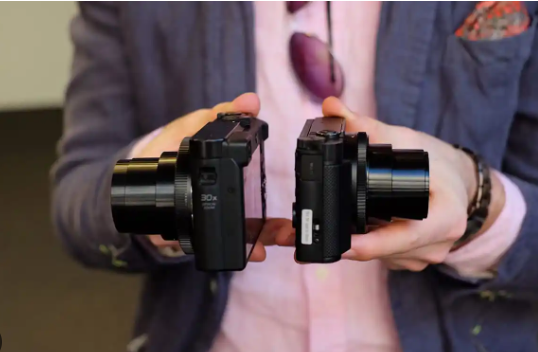
Sony HX90V vs Panasonic TZ70 [Pocket Zoom Showdown]
Compact cameras still attract travelers who want reach, portability, and dependable image quality. Sony packs the HX90V with a pop-up viewfinder, fast autofocus, and a versatile zoom aimed at detail lovers.
Panasonic answers with the TZ70, emphasizing manual control, sharp Leica optics, and reliable performance for everyday trips. Both models target photographers who value pocket-friendly bodies without sacrificing creative flexibility.
This comparison breaks down design, handling, image quality, video skills, and real-world usability in clear terms. Sony focuses on convenience and speed, while Panasonic leans into control and classic shooting feel.
Travel shooters, vloggers, and enthusiasts often debate which approach delivers better results on the road. Side-by-side specs tell part of the story, yet experience matters more during long days of shooting.
Expect a focused, practical breakdown that helps readers match features to shooting style and budget. Clear conclusions guide smart decisions without hype or brand bias for modern travelers.
Sony HX90V vs Panasonic TZ70 – Compact Travel Zoom Cameras Compared
Compact cameras still matter. Many travelers want strong zoom and good image quality without carrying heavy gear. Smartphones fail at long distance shots. Compact zoom cameras solve that problem.
Sony HX90V and Panasonic TZ70 stand as popular choices in this category. Both models focus on travel use. Both cameras fit in a pocket. Each one follows a different design idea.
Sony HX90V focuses on zoom power and ease of use. Panasonic TZ70 focuses on manual control and image flexibility. This article explains every detail in simple words. No complex terms. No confusing language. Just facts. Clear thoughts. Honest opinions.
Sony Cyber-shot DSC-HX90V

Product Details
Sony HX90V works as a travel companion. The camera fits inside a jacket pocket. Long zoom helps capture far subjects. City views. Wildlife. Buildings. Street moments. The camera handles these tasks with ease.
A ZEISS Vario-Sonnar T lens sits at the front. Sony pairs this lens with an 18.2MP Exmor R sensor. The sensor handles low light better than basic compact cameras. Built-in image stabilization reduces blur during zoom shots.
A pop-up electronic viewfinder helps shooting in bright sunlight. A tilting screen supports selfies and creative angles. Wi-Fi and NFC allow fast sharing to phones. This camera aims to stay simple and practical.
Features
Sony HX90V uses an 18.2 megapixel BSI CMOS sensor. This sensor captures detailed photos with good color balance. Back-illuminated design helps in low light scenes. Noise stays under control at moderate ISO levels.
The ZEISS lens covers a wide focal range. The lens starts at 24mm for wide shots. The lens reaches 720mm at full zoom. Optical zoom reaches 30x. Clear Image Zoom doubles reach to 60x with digital processing.
Optical image stabilization works across the zoom range. Hand shake reduces during telephoto shots. Photos stay sharper. Videos look smoother.
The LCD screen measures 3 inches. The screen tilts upward by 180 degrees. Self-portraits feel easy. Overhead shots feel comfortable. Screen resolution reaches 921k dots. Colors appear bright and clear.
The electronic viewfinder uses OLED technology. The viewfinder stays hidden until needed. Bright sunlight becomes less of a problem. Framing improves in outdoor scenes.
Sony includes multiple shooting modes. Automatic mode works well for beginners. Manual mode gives full control. Aperture priority and shutter priority modes help advanced users. Metering options include multi, center-weighted, and spot.
Video recording supports Full HD 1080p. XAVC S, AVCHD, and MP4 formats come supported. Video quality looks clean for a compact camera. Image stabilization stays active during recording.
Wi-Fi and NFC allow wireless transfer. Photos move to phones quickly. Remote shooting works through a smartphone app.
What We Like
Zoom range stands out the most. 30x optical zoom helps capture distant scenes. Small body makes travel easy. Image stabilization performs well. Viewfinder improves outdoor shooting. Tilting screen adds flexibility. JPEG colors look pleasing. Menu system feels familiar for Sony users.
Autofocus stays quick in good light. Face detection works reliably. Continuous shooting reaches 10 frames per second. Build quality feels solid for a compact camera.
What We Didn’t Like
RAW file support stays missing. Advanced editors may feel limited. Battery life feels average. Buttons feel small for large hands. Touch control remains basic. Low light noise appears at higher ISO levels.
Lens aperture narrows quickly at full zoom. Background blur stays limited. No weather sealing comes included.
My Opinion
Sony HX90V suits travelers who want ease and zoom power. The camera performs best in daylight and outdoor scenes. Casual photographers will enjoy the simple controls. JPEG shooters will feel satisfied. Serious photo editors may want more flexibility.
Panasonic TZ70

Product Details
Panasonic TZ70 uses a 12.1MP CMOS sensor. Resolution stays lower than Sony. Image quality focuses more on flexibility. The camera supports RAW format. Photographers gain more control during editing.
A Leica DC Vario-Elmar lens covers 24–720mm focal range. Optical zoom stays limited at 3x. Digital zoom extends reach further. The lens aperture ranges from f/2.8 to f/5.6.
A small electronic viewfinder helps with framing. A 3-inch LCD screen displays images clearly. The camera supports Wi-Fi connectivity. Panasonic aims this model at creative users.
Features
Panasonic TZ70 supports RAW and JPEG files. RAW format preserves more image data. Photo editing becomes easier. Exposure changes cause less quality loss.
Manual focus mode comes built in. Focus peaking highlights sharp areas. Control ring around the lens adjusts settings quickly. Aperture, shutter speed, and focus feel easy to manage.
Image stabilization uses a 5-axis optical system. Level Shot function keeps horizons straight. This helps during handheld shooting. Stability improves during video recording.
Continuous shooting reaches up to 20 frames per second. Fast burst mode helps capture moving subjects. Sports and street moments benefit from this speed.
Video recording supports Full HD formats. AVCHD and MP4 formats come supported. Video quality stays decent for casual use.
The LCD screen measures 3 inches. The screen stays fixed. No tilt function exists. Screen resolution looks sharp enough for review.
Battery performance remains average. The camera stays lightweight for travel. Build quality feels solid.
What We Like
RAW file support adds strong value. Manual focus tools help precise shooting. Control ring improves speed. Image stabilization performs well. Burst shooting speed impresses.
Compact size suits travel use. Leica lens delivers pleasing color tones. Menu layout feels logical. Creative control modes allow style adjustments. Wi-Fi sharing works smoothly.
What We Didn’t Like
Optical zoom feels limited. Distant subjects need digital zoom. No built-in flash reduces low light options. Screen does not tilt. Viewfinder feels small.
Video resolution stays basic. Touch screen remains absent. Low resolution sensor limits cropping ability. Beginners may feel overwhelmed by controls.
My Opinion
Panasonic TZ70 suits photographers who enjoy control. RAW shooting adds flexibility. Manual focus tools improve creative work. This camera fits users who edit photos often. Zoom lovers may feel restricted. Casual shooters may prefer simpler models.
Detailed Comparison Between Sony HX90V VS Panasonic TZ70
Both cameras serve travel photography. Each model follows a different philosophy. Sony HX90V focuses on convenience. Panasonic TZ70 focuses on creative freedom.
Sony delivers stronger optical zoom. 30x zoom captures distant scenes with clarity. Panasonic relies more on digital zoom. Wildlife and far landmarks favor Sony.
Panasonic delivers RAW format support. Image editing becomes easier. Sony restricts users to JPEG files. Editing flexibility stays limited.
Sony includes a tilting screen. Selfies and high angles become easier. Panasonic keeps a fixed screen. Shooting flexibility decreases.
Both cameras include electronic viewfinders. Sony’s viewfinder feels more practical due to pop-up design. Panasonic’s viewfinder feels smaller.
Image stabilization performs well on both models. Panasonic’s 5-axis system feels smoother during handheld shots. Sony’s optical stabilization handles zoom shots well.
Sony feels easier for beginners. Panasonic feels better for advanced users. Sony works well straight out of the camera. Panasonic rewards users who adjust settings.
Battery life stays similar. Portability stays similar. Build quality stays solid on both sides.
Image Quality Comparison
Sony HX90V produces sharp JPEG images. Colors look vibrant. Contrast appears balanced. Low light performance stays decent for a compact camera. Noise increases at high ISO values.
Panasonic TZ70 produces flexible RAW files. JPEG output looks softer by default. Editing RAW files improves detail. Dynamic range feels better during post-processing.
Sony wins for ready-to-use photos. Panasonic wins for editing freedom.
Zoom and Lens Performance
Sony’s ZEISS lens delivers strong optical reach. Telephoto shots remain usable. Image stabilization helps reduce shake. Sharpness drops slightly at full zoom.
Panasonic’s Leica lens focuses more on image quality than zoom. Optical zoom remains limited. Digital zoom affects detail. Lens aperture stays brighter at wide angle.
Zoom lovers prefer Sony. Creative shooters prefer Panasonic.
Video Performance
Both cameras record Full HD video. Sony supports more formats. Stabilization works well during movement. Panasonic records basic Full HD footage. Video quality suits casual use.
Neither camera targets serious video creators. Smartphones may perform similarly for video today.
Ease of Use
Sony HX90V feels simple. Automatic mode handles most situations. Menu layout feels friendly. Beginners adapt quickly.
Panasonic TZ70 feels complex at first. Manual controls require learning. Control ring improves speed once mastered.
Ease of use favors Sony. Control depth favors Panasonic.
Travel and Portability
Both cameras feel compact. Both fit small bags. Sony feels slightly heavier. Panasonic feels lighter.
Sony includes a flash. Panasonic does not. Night shots favor Sony.
Travelers who want quick results prefer Sony. Travelers who plan edits prefer Panasonic.
FAQs
Which camera suits beginners better?
Sony HX90V suits beginners due to simple controls and strong automatic mode.
Does Panasonic TZ70 support RAW images?
Yes. Panasonic TZ70 supports RAW format for advanced editing.
Which camera has better zoom?
Sony HX90V offers far stronger optical zoom.
Do both cameras have viewfinders?
Yes. Both models include electronic viewfinders.
Which camera works better for photo editing?
Panasonic TZ70 works better due to RAW support.
Which camera fits travel photography best?
Sony HX90V suits travel due to zoom and ease.
Conclusion
Sony HX90V and Panasonic TZ70 target different users. Sony focuses on reach, ease, and quick sharing. Panasonic focuses on control, creativity, and editing freedom.
Sony HX90V fits casual travelers and zoom lovers. Panasonic TZ70 fits photographers who enjoy manual settings and RAW editing. Clear needs lead to the right choice. Both cameras deliver value in their own way.