
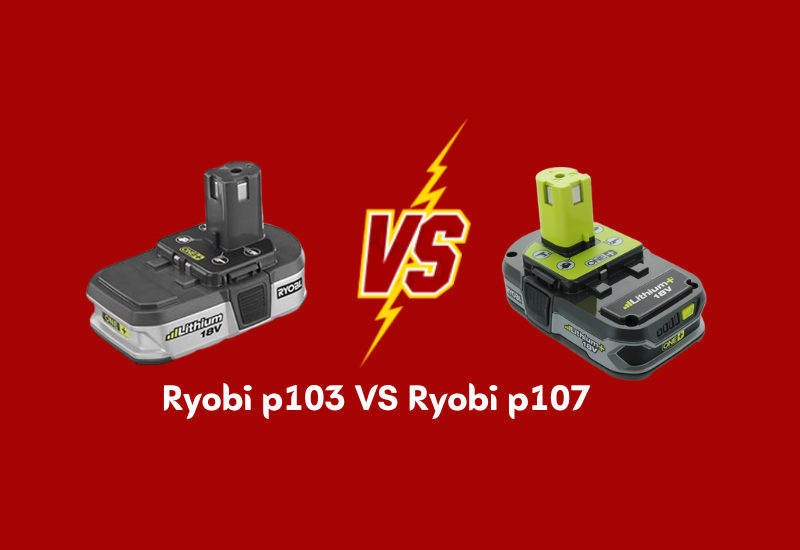
Ryobi P103 vs P107: Finding the Right Power Match
Every project demands power, but not all Ryobi batteries deliver the same level of performance. The P103 gives you a light, compact option that works well for small jobs around the house.
The P107 steps forward with longer runtime and improved technology that helps you get through bigger projects without interruptions. Both batteries share compatibility across the One+ family, yet their differences often raise questions for DIYers and homeowners.
Should you stick with the older, more affordable P103, or invest in the newer and more efficient P107? The answer depends on your balance between price, performance, and convenience. This comparison lays out the facts in simple terms, making it easy to see which model fits your work style best.
Ryobi P103 vs P107: Which Battery Should You Pick for Your Tools?
Cordless tools make work easier, but the battery inside them makes all the difference. A weak battery cuts jobs short, while a strong one keeps tools running smoothly. Ryobi’s One+ 18V battery lineup has many options, and two common models people compare are the P103 and the P107.
Both fit the same tools, both use lithium-ion technology, and both are compact. But performance, runtime, and reliability set them apart. One is older and simple. The other offers modern upgrades. This article takes a close look at each battery, their strengths and weaknesses, and how they perform side by side.
Ryobi P103 Lithium-Ion 1.5Ah Battery
About This Tool
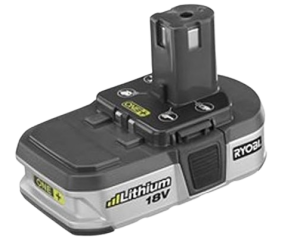
The Ryobi P103 is an early lithium-ion battery in the One+ system. It works with every 18V One+ tool, from drills to saws. With a compact size and 1.5Ah capacity, it offers basic performance for small projects. Many users bought it as a starter battery or as a lightweight spare.
Features
-
18V lithium-ion rechargeable battery
-
1.5Ah capacity
-
Dimensions: 5.5 x 3.5 x 4.5 inches
-
Weight: 14.4 ounces
-
Works with all Ryobi One+ cordless tools
-
Rechargeable and compact design
What We Like
-
Compact and lightweight. Makes tools easier to handle.
-
Works with the full range of Ryobi 18V One+ tools.
-
Affordable entry point compared to higher-capacity batteries.
-
Easy to store and carry as a spare.
What We Didn’t Like
-
Lower runtime due to only 1.5Ah capacity.
-
No onboard fuel gauge. Hard to know how much power is left.
-
Poor customer rating (2.6 out of 5). Many users reported weak lifespan.
-
Not ideal for power-hungry tools like saws or blowers.
My Opinion
The P103 feels outdated by today’s standards. It may work fine for short, light tasks such as drilling a few holes or tightening screws. But its lower runtime and weak user ratings hold it back. For users who rely on their tools often, this battery is not the best long-term solution.
Ryobi P107 Lithium-Ion 2.0Ah Battery
Product Details
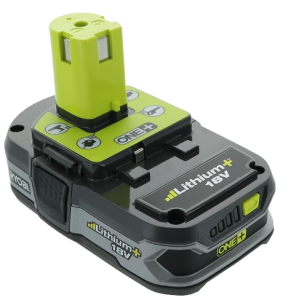
The P107 came as a clear upgrade over the older P103. It uses lithium-ion technology but delivers more capacity, better consistency, and useful features like a fuel gauge. It fits all One+ tools while staying compact and lightweight.
Features
-
18V lithium-ion rechargeable battery
-
2.0Ah capacity for longer runtime
-
Compact design, weight: 14.1 ounces
-
Dimensions: 5 x 3 x 4 inches
-
Fade-free power for steady performance
-
LED fuel gauge with button
-
Works in cold weather down to -10°C (14°F)
-
Compatible with 50+ Ryobi One+ tools
What We Like
-
Higher runtime than P103 thanks to 2.0Ah capacity.
-
Fade-free power keeps performance strong until fully drained.
-
LED fuel gauge helps monitor charge level at a glance.
-
Works even in cold temperatures.
-
Great customer rating: 4.5 out of 5 with over 1,300 reviews.
-
Lightweight and compact enough for all-day use.
What We Didn’t Like
-
Sold as a bare battery, no charger included.
-
Slightly higher price than the P103.
-
Still limited compared to larger packs like P108 or P197 (4Ah and above).
My Opinion
The P107 feels like a proper upgrade for users who want reliability and efficiency. It lasts longer, runs cooler, and doesn’t fade halfway through a job. The fuel gauge is practical, especially during long projects. While it costs a little more, the value in performance makes it the better choice for most users.
Details Comparison: P103 VS P107
The P103 and P107 share the same system compatibility, so both fit all Ryobi One+ tools. That means drills, impact drivers, saws, lights, vacuums, and more. The real difference lies in performance.
-
Capacity: The P103 holds 1.5Ah, while the P107 has 2.0Ah. That extra capacity means longer runtime and fewer trips to the charger.
-
Reliability: The P103 has a low 2.6-star rating. The P107, on the other hand, enjoys a strong 4.5-star rating. User satisfaction clearly favors the P107.
-
Features: The P107 includes fade-free power and a fuel gauge, two features missing from the P103.
-
Durability: The P107 is built to perform even in colder weather. The P103 does not have this strength.
-
Weight: Both weigh almost the same, around 14 ounces.
For anyone planning regular DIY or professional use, the P107 is clearly the better investment. The P103 works as a budget or backup option, but its weak ratings make it less appealing.
FAQs
Q1: Do both the P103 and P107 fit all Ryobi One+ 18V tools?
Yes. Both are part of the One+ system and work with the full range of tools.
Q2: Which one lasts longer on a single charge?
The P107 lasts longer with its 2.0Ah capacity compared to the P103’s 1.5Ah.
Q3: Is there a big weight difference between them?
No. Both weigh about 14 ounces, making them lightweight and easy to use.
Q4: Does the P103 have a fuel gauge?
No. Only the P107 includes an LED fuel gauge to show battery level.
Q5: Can I use these batteries in cold weather?
The P107 can handle cold down to 14°F (-10°C). The P103 does not have this feature.
Q6: Which one is better for bigger tools like saws or blowers?
Neither is ideal for heavy tools, but between the two, the P107 will perform better.
Conclusion
Both the P103 and P107 belong to the same 18V One+ family and will power your tools. The difference comes in performance, reliability, and features. The P103 is compact and affordable, but its short runtime and weak ratings limit its value. The P107 gives longer runtime, fade-free power, and a useful fuel gauge, making it a stronger choice for most users.
For anyone serious about getting consistent performance, the P107 is the clear winner. It handles more tasks, works in colder weather, and offers more confidence on the job. The P103 might serve as a spare, but the P107 is the battery you can depend on.


