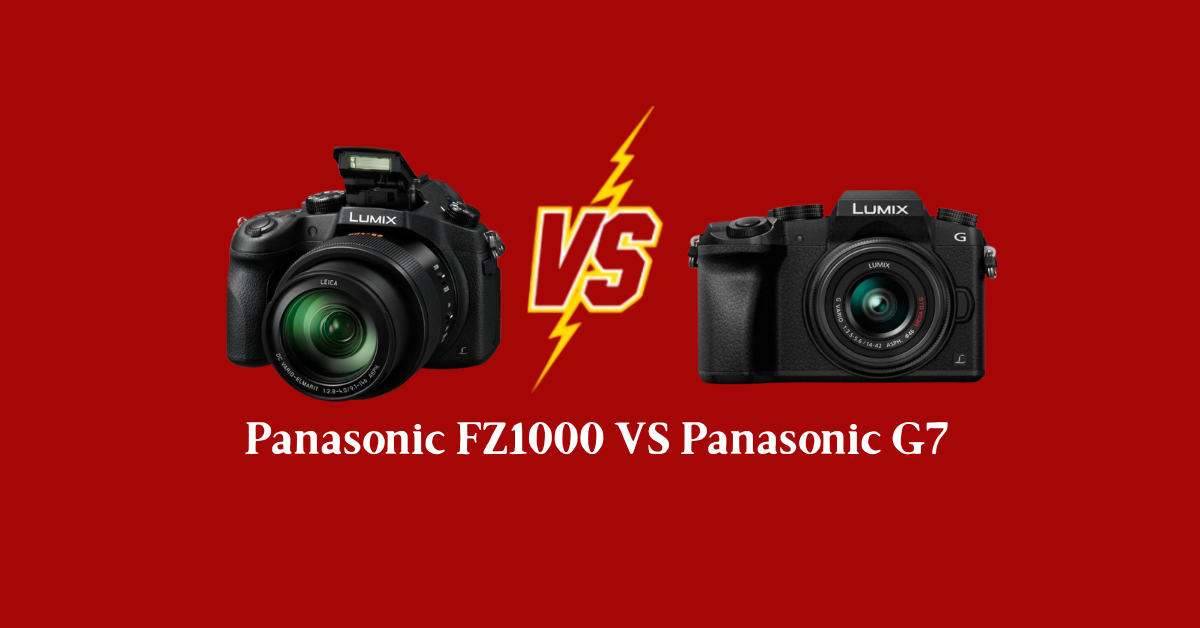
Panasonic FZ1000 vs G7: Which Camera Delivers More Versatility?
Panasonic built both the FZ1000 and G7 for creators who want strong image quality and 4K performance in compact designs. The FZ1000 acts as a bridge camera with a powerful built-in Leica zoom lens that covers everything from wide landscapes to distant subjects.
The G7 stands out as a mirrorless camera that supports interchangeable lenses, giving users more control over depth, style, and creative flexibility. Both models feature fast autofocus, clear electronic viewfinders, and reliable performance in varied lighting.
The FZ1000 suits photographers who prefer an all-in-one setup that’s always ready for action. The G7 attracts users who enjoy building a system around their camera and experimenting with new lenses.
Each camera offers unique strengths that fit different shooting needs, and comparing them side by side reveals which one matches your creative goals and style of photography.
Panasonic FZ1000 vs G7: A Detailed Comparison for Everyday Creators
Panasonic’s FZ1000 and G7 are two of the most popular mid-range cameras in the Lumix family. Both models deliver excellent performance for photographers and video creators who want professional quality without spending a fortune on bulky DSLRs.
While the FZ1000 is an advanced bridge camera packed with a long zoom lens and strong stabilization, the G7 is a lightweight mirrorless model built for flexibility and lens swapping.
Each has its own strengths, from travel photography to content creation and vlogging. Understanding their real-world differences helps you pick the camera that fits your shooting style, not just your specs list.
This detailed comparison looks closely at both models — their features, pros, cons, and user experience — so you can decide which one suits your creative journey best.
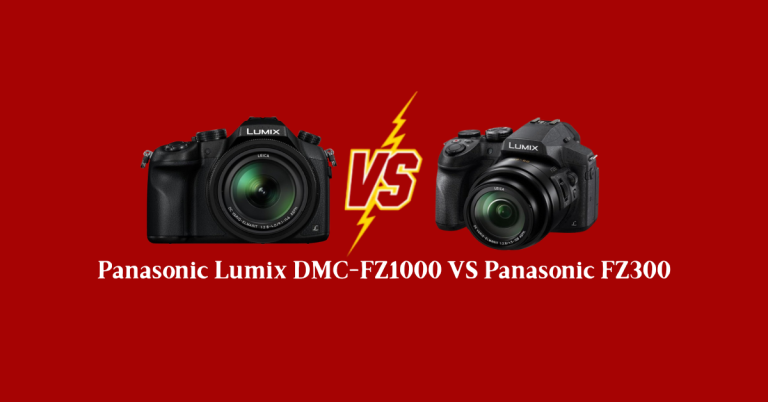
Panasonic Lumix DMC-FZ1000

About This Tool
The Panasonic Lumix FZ1000 is a bridge-style digital camera that sits between a compact and a DSLR. It’s designed for users who want DSLR-like quality without changing lenses. With its large 20.1MP 1-inch MOS sensor and Leica DC Vario-Elmarit lens, this camera captures crisp details and smooth colors.
It records true 4K QFHD videos, perfect for both photographers and videographers who need high-quality visuals in one compact setup. The included bundle enhances its value — two 64GB SD cards, a tripod, a shotgun mic, an LED light kit, and a carrying case make it a complete out-of-the-box setup for creators.
Features
The FZ1000 offers a rich feature set for both stills and video work. Its 20.1MP 1-inch MOS sensor produces excellent clarity with minimal noise. The Venus Engine processor ensures fast image processing and smooth color transitions. It captures 4K video at 30fps and Full HD in multiple frame rates for more creative control.
The built-in Leica DC Vario-Elmarit lens offers a 25–400mm focal length range, covering wide landscapes and distant subjects with ease. The f/2.8–4.0 aperture helps in low light, while the HYBRID O.I.S.+ stabilization keeps handheld shots steady.
Other highlights include a 2.36M-dot OLED viewfinder, a 3.0-inch rotating LCD, Wi-Fi connectivity, and DFD autofocus technology for quick and accurate focusing.
What We Like
-
The 1-inch MOS sensor delivers sharp images with vibrant colors.
-
Built-in Leica lens provides great zoom range and clear optics.
-
4K recording at 30fps adds professional-quality video capture.
-
Fast autofocus and minimal shutter lag.
-
The included bundle offers real value with storage, tripod, mic, and lights.
-
Reliable image stabilization during video shooting.
-
Comfortable grip and intuitive button layout.
What We Didn’t Like
-
The 5-axis stabilization doesn’t work in 4K mode.
-
Limited recording time for 4K videos (under 30 minutes).
-
The camera feels slightly heavy during long handheld sessions.
-
The external accessories vary in quality.
-
Battery life could be better for long travel days.
My Opinion
The FZ1000 shines as an all-rounder. It’s ideal for users who want DSLR-like results in a single, convenient body. The lens is powerful enough for wildlife, events, or travel, while the 4K recording makes it great for YouTubers and filmmakers. Its autofocus system is responsive, and the colors are natural yet punchy.
Although the stabilization has limits in 4K and the body isn’t the lightest, the FZ1000 delivers strong performance overall. It’s an excellent choice for those who prefer not to deal with multiple lenses but still want quality and creative flexibility.
Panasonic Lumix G7

About This Tool
The Panasonic Lumix G7 is a mirrorless camera that combines power and portability. It’s built around a 16MP Micro Four Thirds sensor, which produces rich details and natural tones. With its 4K video capabilities, the G7 appeals to photographers and aspiring videographers alike.
Unlike the FZ1000, the G7 uses interchangeable lenses, allowing you to expand your setup over time. Its modern design includes dual control dials, customizable buttons, and a sharp electronic viewfinder, giving you full creative control in a compact body.
Features
The G7 comes with a 16MP CMOS sensor and Panasonic’s Venus Engine processor. Together, they deliver fast processing and vibrant image quality. The camera supports 4K Ultra HD video recording (3840 × 2160) at 30fps, and you can also extract 8MP stills from 4K footage.
Its 3-inch touch screen tilts and swivels, making it easy to shoot at different angles. The 2.36M-dot OLED viewfinder offers a clear, lag-free preview even in bright sunlight. With Wi-Fi connectivity, transferring photos and remote shooting through the Lumix app is effortless.
The G7 also includes 49 autofocus points, ensuring precise subject tracking, while the front and rear dials give you manual control over exposure settings.
What We Like
-
Excellent 4K video with smooth detail.
-
Lightweight and easy to carry around.
-
Interchangeable lenses add long-term flexibility.
-
Fast and accurate autofocus system.
-
Intuitive layout with a responsive touchscreen.
-
High-resolution EVF for clear framing.
-
Built-in Wi-Fi makes sharing simple.
What We Didn’t Like
-
No in-body stabilization.
-
Battery drains faster during 4K recording.
-
Plastic build feels less solid compared to higher-end models.
-
The included 14–42mm kit lens is decent but not very fast.
-
Not weather-sealed for outdoor shooting.
My Opinion
The Lumix G7 delivers impressive performance for its class. It’s a smart entry point into mirrorless photography, offering creative flexibility with interchangeable lenses. The 4K video modes, touch controls, and clean image quality make it great for daily photography and semi-professional video work.
While the lack of built-in stabilization and moderate battery life are small downsides, the overall experience is excellent. It feels responsive, intuitive, and reliable. The G7 is a camera that grows with you — a great option for beginners stepping into serious photography and content creation.
Detailed Comparison Of Panasonic FZ1000 vs Panasonic G7
The Panasonic FZ1000 and G7 share many similarities but serve slightly different needs. The FZ1000 is a bridge camera — you can’t change its lens, but it includes a powerful built-in zoom lens covering everything from wide-angle to telephoto. This makes it perfect for travelers, vloggers, and hobbyists who want simplicity and range in one body.
The G7, on the other hand, is a mirrorless camera built for flexibility. Its interchangeable lens system opens the door to more creative control, especially for those who plan to upgrade or specialize in certain photography types like portraits or landscapes.
In terms of image quality, the FZ1000’s 1-inch sensor provides more light sensitivity and cleaner details, especially in low-light conditions. The G7’s Micro Four Thirds sensor is smaller but still delivers great results with accurate colors and smooth tones.
For video, both record in 4K, but the G7 offers more manual controls and flexibility. The FZ1000’s lens gives you a longer zoom reach without needing to switch lenses — a big plus for users who value convenience.
The handling also differs: the FZ1000 feels like a DSLR with its deep grip and heavier build, while the G7 is compact, lightweight, and easy to carry all day.
In short, the FZ1000 suits photographers who want an all-in-one solution with strong zoom and simplicity. The G7 fits those who enjoy experimenting with lenses and manual settings. Both are excellent, but the choice depends on your creative style — convenience or flexibility.
FAQs
1. Which camera is better for beginners?
The Panasonic G7 is slightly easier for beginners who want to learn manual settings. Its menu system and touchscreen controls are user-friendly and easy to navigate.
2. Can the FZ1000 change lenses?
No. The FZ1000 has a fixed Leica lens that covers a wide zoom range from 25mm to 400mm.
3. Does the G7 have image stabilization?
No, the G7 does not have built-in stabilization, but some Panasonic lenses include optical stabilization that works effectively for handheld shooting.
4. Which one is better for travel photography?
The FZ1000 is more convenient for travel since it has a versatile built-in lens and solid image quality, reducing the need to carry extra gear.
5. Which camera performs better in low light?
The FZ1000’s larger 1-inch sensor performs slightly better in low light, offering cleaner details with less noise.
6. Can both cameras shoot 4K video?
Yes, both support 4K recording at 30fps. The G7 provides more manual controls, while the FZ1000 delivers easier point-and-shoot 4K performance.
7. Which one is lighter?
The G7 is lighter, weighing around 0.9 pounds compared to the FZ1000’s 1.8 pounds.
Conclusion
Both the Panasonic FZ1000 and G7 deliver excellent results in photography and video. The FZ1000 is built for users who want a single camera ready for any situation — no lens swapping, no fuss. Its large sensor, long zoom range, and clear 4K video make it ideal for travelers, hobbyists, and creators who need versatility.
The G7, by contrast, gives more control and creative freedom. Its mirrorless system, interchangeable lenses, and advanced manual settings make it a great long-term choice for those planning to grow their skills.
If you want simplicity with strong zoom, go for the FZ1000.
If you prefer flexibility and the ability to expand your setup, pick the G7.
Both stand strong in Panasonic’s lineup, offering outstanding value and performance for their price and class.