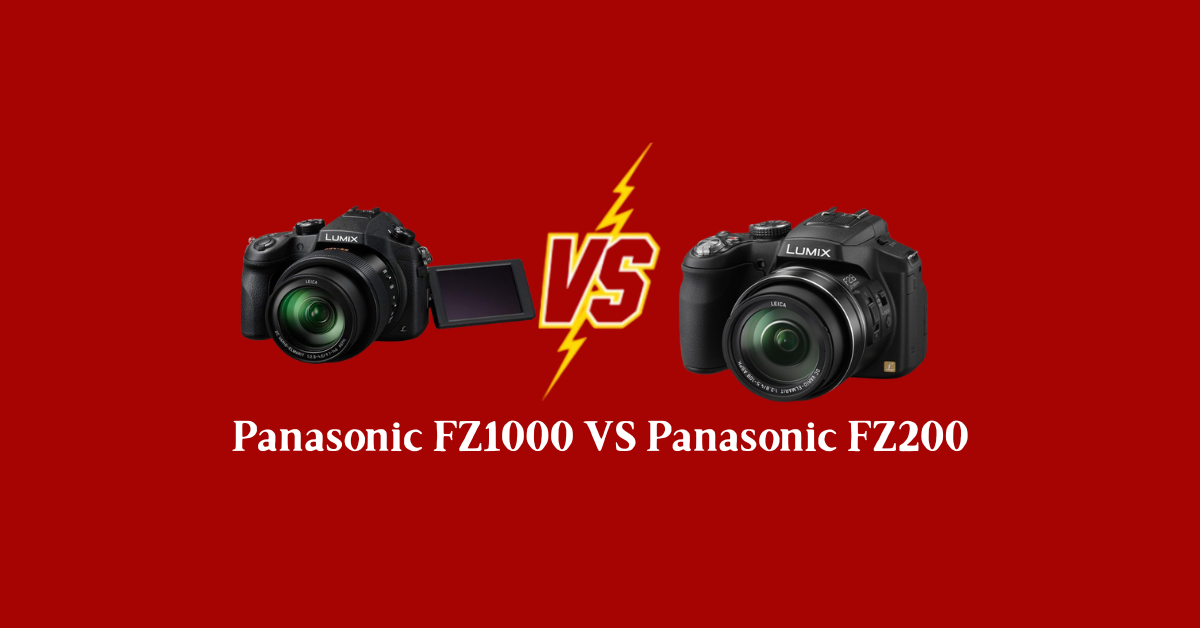
Panasonic FZ1000 vs FZ200: Power Zoom Showdown
Panasonic’s bridge cameras have long impressed photographers who want DSLR-like control in a compact form. The FZ200 gained attention for its constant f/2.8 aperture and impressive zoom range, making it a favorite for action and wildlife shots.
The FZ1000 later entered the scene with a larger 1-inch sensor, delivering better image quality, richer detail, and 4K video recording. Both cameras share a similar design and long zoom reach, yet they cater to different shooting needs.
The FZ200 offers a bright, consistent aperture across its range, while the FZ1000 focuses on higher resolution and improved low-light performance. Differences in handling, autofocus speed, and video capabilities make this comparison especially interesting for enthusiasts upgrading their gear.
The choice between these two depends on priorities—speed and portability or advanced image quality and video power. Each camera holds its own charm for those who love all-in-one versatility.
Panasonic FZ1000 vs FZ200: Which Camera Offers the Better Value?
Both the Panasonic Lumix FZ1000 and FZ200 sit proudly in Panasonic’s bridge camera lineup. Each model is designed for users who want DSLR-like power in a compact body. While the FZ200 is known for its constant f/2.8 aperture and reliable 24x zoom, the FZ1000 raises the bar with a larger sensor, 4K video, and faster autofocus.
This guide explores both cameras in detail. You’ll see how they differ in features, image quality, zoom, and usability—making it easier to pick the right one for your photography needs.
Panasonic Lumix DMC-FZ1000
About This Tool
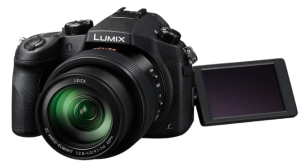
The Panasonic FZ1000 is a powerful bridge camera built for enthusiasts who want DSLR performance in a smaller package. It combines a large 1-inch MOS sensor with a bright Leica 16x zoom lens, offering high-quality stills and 4K video. Its 5-axis image stabilization, Wi-Fi connectivity, and fast autofocus make it a strong all-rounder for both photography and video shooting.
Features
-
20.1MP 1-inch MOS Sensor – Captures sharp, detailed images even in low light.
-
Leica 25–400mm f/2.8–4 Lens – Offers great zoom range with crisp optics.
-
4K QFHD Video at 30fps – Records ultra-high-definition footage with smooth motion.
-
5-Axis Hybrid Image Stabilization – Reduces shake during handheld shooting.
-
OLED Viewfinder and Free-Angle LCD – Helps compose shots from tricky angles.
-
Wi-Fi with NFC – Simplifies file sharing and remote control from smartphones.
-
Light Speed AF with DFD Focus – Achieves quick and accurate focusing.
-
ISO Range up to 25600 – Delivers usable shots in dim lighting.
-
Continuous Shooting at 50fps – Perfect for action and wildlife scenes.
What We Like
-
Excellent image clarity with natural colors.
-
4K video quality looks professional and detailed.
-
Smooth zoom performance with Leica lens.
-
Responsive autofocus and minimal lag.
-
Flexible LCD screen for creative compositions.
-
Wi-Fi and NFC make sharing fast and simple.
What We Didn’t Like
-
Large body for a compact camera.
-
Battery drains faster in 4K mode.
-
Limited touchscreen functionality.
-
No weather sealing for outdoor use.
My Opinion
The FZ1000 feels like a perfect hybrid between a compact and a DSLR. It performs impressively across different shooting styles—travel, portrait, and nature. The 4K video and 1-inch sensor are its strongest assets, offering detail that smaller sensors just can’t match. For users who want quality and flexibility without changing lenses, the FZ1000 delivers great value.
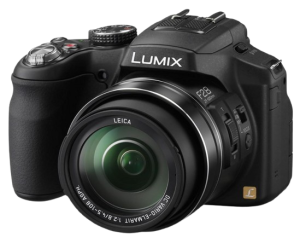
Panasonic Lumix DMC-FZ200
Product Details
The Panasonic FZ200 is a solid choice for photographers who value simplicity, long zoom, and consistent performance. It sports a 12.1MP CMOS sensor and a 25–600mm Leica lens with a constant f/2.8 aperture across the zoom range. Despite being older, it remains popular for its bright lens and long reach.
Features
-
12.1MP 1/2.3-inch CMOS Sensor – Produces decent image quality with good light sensitivity.
-
Leica 25–600mm f/2.8 Lens – Constant aperture throughout the zoom range.
-
24x Optical Zoom – Covers everything from wide landscapes to distant subjects.
-
Full HD 1080p Video Recording – Captures smooth and vibrant footage.
-
High-Speed Shooting at 12fps – Great for sports or wildlife moments.
-
Electronic Viewfinder and Articulated LCD – Aids flexible framing.
-
RAW Shooting Support – Offers more control in post-processing.
-
Optical Image Stabilization – Helps maintain sharpness in handheld shots.
-
ISO Range up to 3200 (expandable to 6400) – Suitable for mixed lighting conditions.
What We Like
-
Constant f/2.8 aperture gives excellent low-light shots.
-
24x zoom range covers almost any shooting scenario.
-
Lightweight and easy to carry.
-
Reliable image stabilization.
-
Good battery life compared to newer models.
What We Didn’t Like
-
Smaller sensor limits image sharpness.
-
No 4K recording support.
-
Slower autofocus compared to newer cameras.
-
Display resolution is lower than expected.
My Opinion
The FZ200 remains a favorite among beginners and travelers. The fixed f/2.8 lens is its biggest advantage, keeping exposures consistent throughout the zoom range. It’s not as advanced as the FZ1000, but for casual use and long-distance photography, it’s dependable and easy to handle.
Detailed Comparison: Panasonic FZ1000 vs FZ200
Both cameras share Panasonic’s reliable build quality and user-friendly design, yet they cater to different users. The FZ1000 offers a 1-inch 20.1MP sensor, which is much larger than the 1/2.3-inch 12.1MP sensor in the FZ200. This difference alone gives the FZ1000 better detail, dynamic range, and low-light results.
The FZ1000 also records in 4K, while the FZ200 maxes out at Full HD. If video is important to you, the FZ1000 is clearly superior. On the other hand, the FZ200’s constant f/2.8 lens remains its strong point—it provides bright and consistent exposure even at full zoom, something few bridge cameras offer.
Autofocus is another area of contrast. The FZ1000’s DFD technology makes focusing faster and more accurate, especially for moving subjects. The FZ200 does well for static or slow-moving scenes but struggles in action photography.
In terms of zoom, the FZ200 has a slightly longer reach (600mm vs. 400mm), making it more suitable for distant wildlife or sports. Yet, the FZ1000’s image quality and stabilization easily make up for the shorter range.
Overall, the FZ1000 feels like a professional step up from the FZ200. It suits photographers who want crisp images, 4K recording, and a modern interface. The FZ200 remains a great choice for those who value a bright constant lens and prefer a lower price.
FAQs
1. Which camera is better for beginners?
The FZ200 is easier to use and lighter, making it a better pick for beginners. It also has simpler controls and good automatic modes.
2. Does the FZ1000 perform better in low light?
Yes, the FZ1000’s larger 1-inch sensor captures more light, giving sharper and cleaner images in dark environments.
3. Can both cameras shoot in RAW format?
Yes, both support RAW shooting, which helps you adjust photos in editing software without losing quality.
4. Is 4K video available on the FZ200?
No, only the FZ1000 supports 4K video recording. The FZ200 records in Full HD.
5. Which has better zoom performance?
The FZ200 offers a longer 24x optical zoom (25–600mm), while the FZ1000 provides 16x (25–400mm). For distant subjects, the FZ200 reaches further.
6. How is the autofocus speed on each model?
The FZ1000 features faster and more accurate autofocus, thanks to Panasonic’s DFD technology. The FZ200’s AF is good but slower in tracking movement.
7. Which one offers better value for money?
The FZ1000 costs more but provides higher quality images, 4K video, and faster performance. The FZ200 is budget-friendly and reliable for casual photography.
Conclusion
Both cameras serve different needs. The Panasonic FZ1000 shines with its larger sensor, superior image quality, 4K recording, and faster autofocus—ideal for enthusiasts and semi-pro users. The FZ200, though older, still appeals to those who want a constant aperture zoom and solid performance for a lower cost.
For overall versatility and image quality, the FZ1000 wins. Yet for affordability and simplicity, the FZ200 remains a dependable travel companion. Each delivers Panasonic’s trusted performance—your choice depends on what matters more: image power or price.