Who Makes Ryobi Tools? The Complete Story Behind the Brand
Ryobi is one of the most popular tool brands across the world. From power drills and saws to lawn mowers and trimmers, Ryobi tools have become a common name for DIY users and homeowners. Many people use Ryobi every day but have no idea who actually makes these tools.
The story behind Ryobi is more complex than most think. The company started in Japan decades ago, but the tools you find in stores today are made by another large manufacturer based in Hong Kong. This article breaks down the full history, ownership structure, and manufacturing details of Ryobi tools in simple language, so anyone can understand who truly makes them and how the brand operates today.
Ryobi’s Early Beginnings in Japan
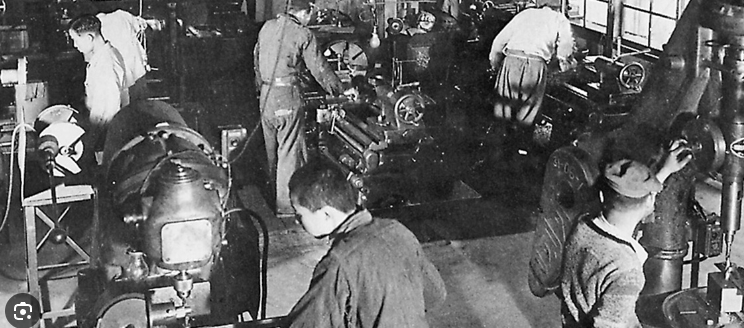
Ryobi’s story began in Japan in 1943. The company was first known as Ryobi Seisakusho Co., Ltd. It started as a small manufacturer of die-cast metal products used in machinery and industrial equipment. Over time, Ryobi built a strong name in the die-casting industry.
In 1968, Ryobi began producing power tools. That step changed the company’s direction. These tools were made in Japan and became known for reliability and precision. By 1973, the company changed its name to Ryobi Limited, reflecting its growing global identity.
Even today, Ryobi Limited still operates in Japan, producing die-cast parts for automobiles, electronics, and machinery. But the power tool business that consumers recognize — drills, saws, batteries, blowers, etc. — is now mostly managed by another company.
The Split: Ryobi Limited and Techtronic Industries (TTI)
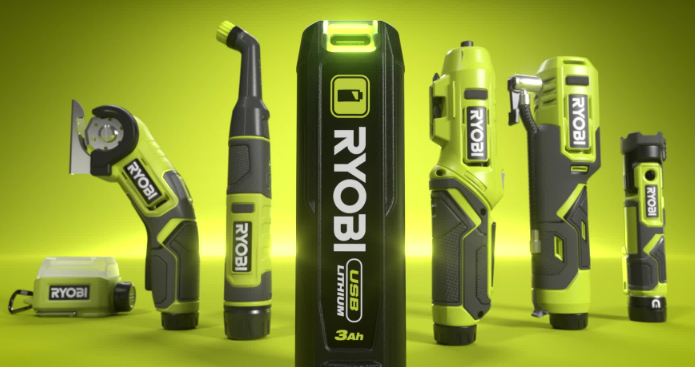
Many people assume Ryobi Limited still makes Ryobi power tools. That’s only partly true. The modern Ryobi tools sold in stores like Home Depot, Bunnings, or Walmart are not produced directly by Ryobi Limited. They are made by Techtronic Industries (TTI), a Hong Kong-based company.
In 2000, TTI acquired the rights to produce and sell Ryobi power tools in North America. Soon after, it gained similar rights in Europe, Australia, and New Zealand. Today, TTI has full control over the design, production, and marketing of Ryobi tools in these regions.
Ryobi Limited continues to own the brand name, but it licenses it to TTI for specific markets. This means the Ryobi tools you buy in most countries are made by TTI under an official agreement with Ryobi Limited.
Who Is Techtronic Industries (TTI)?
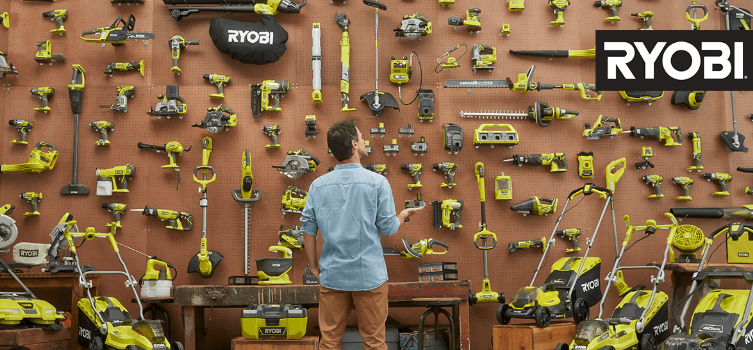
TTI is a global manufacturing company founded in 1985 and based in Hong Kong. It’s one of the biggest tool producers in the world. TTI designs and manufactures many popular tool brands, including:
-
Milwaukee Tool – known for professional-grade power tools.
-
AEG – a European brand under license.
-
Hart Tools – sold mostly in Walmart.
-
Hoover, Vax, and Oreck – for floor-care appliances.
TTI is listed on the Hong Kong Stock Exchange and has manufacturing sites in China, Vietnam, Mexico, and the United States.
Ryobi is one of TTI’s largest consumer brands, targeting DIY and home users. Milwaukee, on the other hand, focuses on professionals and tradespeople.
Where Are Ryobi Tools Made?
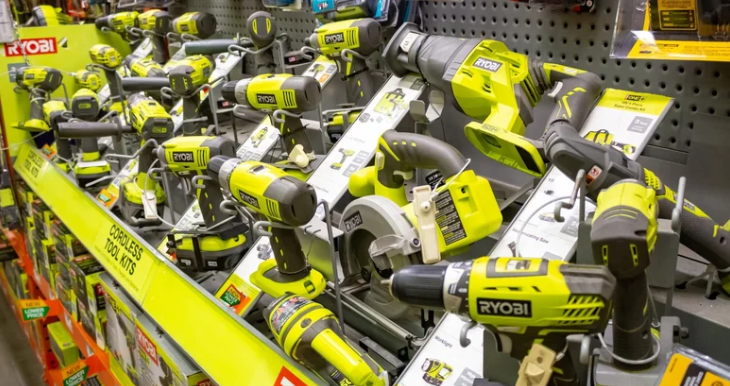
Ryobi tools are manufactured in multiple countries. The goal is to keep production costs low and make tools affordable for most users. Here’s a closer look at where they come from:
1. China
Most Ryobi power tools and batteries are made in China. TTI has several large plants there, producing parts for Ryobi and Milwaukee.
2. Thailand and Vietnam
Some Ryobi production has shifted to Thailand and Vietnam to reduce labor costs and balance manufacturing across Asia.
3. Mexico
A few Ryobi outdoor power tools, such as trimmers and blowers, are made in Mexico.
4. United States
TTI runs a large facility in Anderson, South Carolina, where it produces Ryobi outdoor equipment and performs final assembly for some models.
Older Ryobi tools made before the TTI takeover were built in Japan by Ryobi Limited. Those models are now rare and often prized by collectors for their quality.
How TTI Designs and Builds Ryobi Tools
TTI manages everything from tool design to quality control. Engineers working under TTI design Ryobi tools in the same facilities as Milwaukee and AEG. This shared design environment allows Ryobi tools to benefit from similar research and technology.
Design and Innovation
TTI invests heavily in cordless technology. The Ryobi ONE+ and 40V systems are examples of this focus. They use lithium-ion batteries compatible across many tools, giving users convenience and flexibility.
Quality Control
Before reaching stores, Ryobi tools go through strict testing for durability, heat resistance, vibration, and safety. TTI maintains separate quality standards for different markets.
Pricing Strategy
Ryobi targets the DIY and homeowner market, offering affordable but durable tools. Milwaukee, TTI’s other brand, targets professionals with higher prices and more advanced features.
This clear market separation helps TTI serve both casual and professional tool users under different brand names.
Ryobi Tools and Their Global Presence
Ryobi’s biggest markets include:
-
United States – Exclusive partnership with Home Depot.
-
Australia and New Zealand – Sold mainly through Bunnings Warehouse.
-
United Kingdom and Europe – Available through major hardware chains and online retailers.
-
Asia – In some Asian countries, Ryobi Limited sells its own separate tools and equipment.
This means a Ryobi drill bought in Japan might not be the same as one bought in the U.S. They may differ in design, voltage, or manufacturing origin, but both share the same Ryobi logo and philosophy.
Ryobi’s Manufacturing Model
Ryobi’s business structure is unique in the tool industry. It works under a brand licensing system, which means:
-
Ryobi Limited owns the global rights to the name and brand.
-
TTI licenses those rights in specific countries for its power tools and outdoor equipment.
-
TTI manages the manufacturing, design, and sales process.
-
Ryobi Limited continues its own work in Japan but focuses mostly on industrial parts and die-casting, not consumer tools.
This model allows both companies to focus on their strengths — Ryobi Limited on metal manufacturing, and TTI on tool production and innovation.
Quality and Reputation of Ryobi Tools
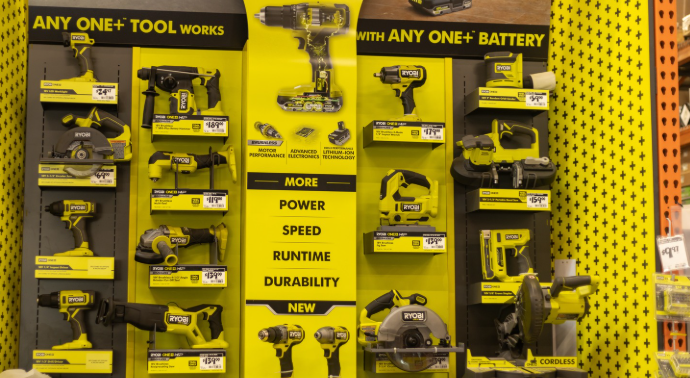
Ryobi tools are designed for light and medium-duty work. They are best for homeowners, hobbyists, and people who enjoy do-it-yourself projects. They are not made for heavy industrial use.
TTI’s advanced production systems ensure that Ryobi tools meet safety and performance standards for each market. While they may not match the power and durability of Milwaukee or DeWalt, Ryobi offers good quality for the price.
The ONE+ battery platform also makes Ryobi one of the most flexible tool brands. One battery fits hundreds of tools, from drills and impact drivers to blowers and mowers.
Why Ryobi’s Ownership Model Works
This shared ownership model between Ryobi Limited and TTI has many benefits:
-
Lower production cost – Manufacturing in multiple countries reduces cost.
-
Better innovation – TTI’s technology powers new tool designs.
-
Global reach – Ryobi tools reach more markets through TTI’s network.
-
Brand consistency – Ryobi Limited ensures the brand identity stays strong worldwide.
It’s a smart business model that allows Ryobi to compete with giants like DeWalt, Makita, and Bosch while staying affordable for everyday users.
FAQs
Q1: Who owns Ryobi tools?
Ryobi Limited owns the Ryobi brand. Techtronic Industries (TTI) makes and sells Ryobi power tools under a license agreement in most countries.
Q2: Where are Ryobi tools made?
Ryobi tools are made in China, Thailand, Vietnam, Mexico, and the United States. Older models were made in Japan.
Q3: Are Ryobi tools made by the same company as Milwaukee?
Yes. Both Ryobi and Milwaukee are made by Techtronic Industries (TTI).
Q4: Is Ryobi a Japanese company or a Chinese company?
Ryobi is originally Japanese. The power tools sold in many countries are made by TTI, a Hong Kong-based company.
Q5: Why are Ryobi tools cheaper than other brands?
Ryobi targets DIY and home users, not professionals. They use efficient production methods and simpler designs to keep costs low.
Q6: Are Ryobi tools good quality?
Yes, they are reliable for light to medium use. They may not match high-end brands in power, but they offer excellent value for home projects.
Q7: Does Ryobi have factories in the USA?
Yes. TTI operates a facility in Anderson, South Carolina, where it assembles Ryobi outdoor power equipment.
Conclusion
Ryobi started in Japan as a small die-casting company and grew into a trusted global brand. Today, Techtronic Industries (TTI) makes most Ryobi power tools under license from Ryobi Limited. The partnership between these two companies allows Ryobi to offer affordable, reliable tools for millions of users around the world.
From Japan’s early innovations to TTI’s global production network, Ryobi’s story shows how collaboration and smart licensing can build one of the strongest tool brands in the world. The next time you pick up a Ryobi drill or mower, you’ll know the real story behind the name — a mix of Japanese heritage and global craftsmanship.