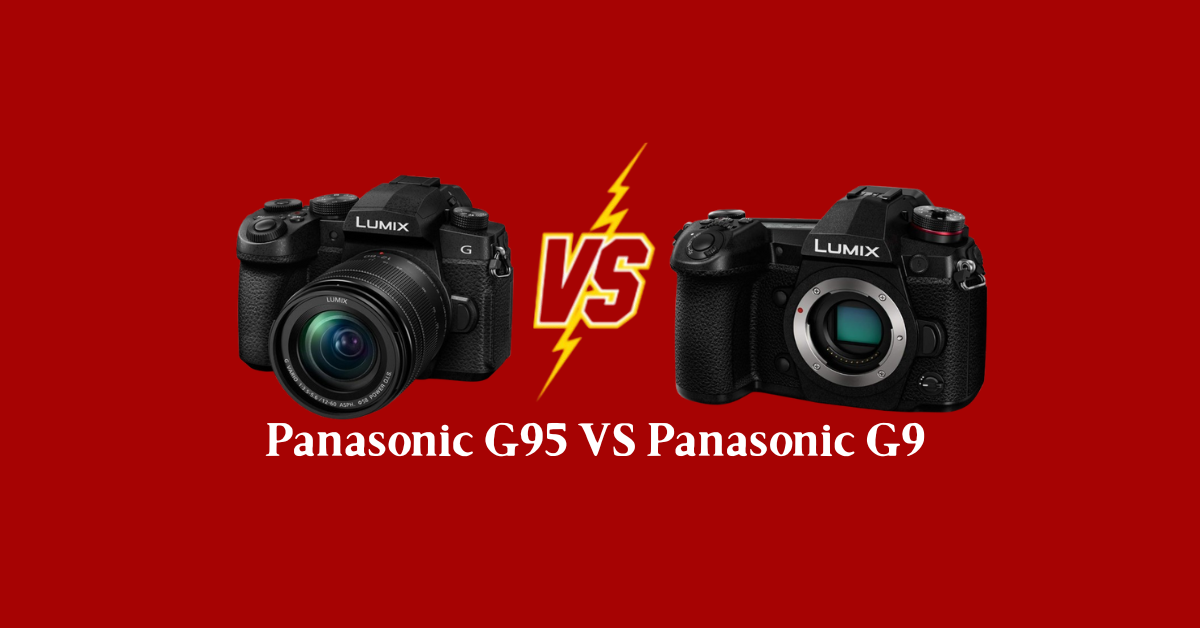
Panasonic G95 vs G9: Which Camera Delivers More Power?
Panasonic built the G95 and G9 for photographers who want speed, precision, and versatility in a compact system. The G95 serves as a balanced hybrid camera that blends strong photo quality with impressive video tools. It feels lightweight, easy to handle, and ideal for creators who shoot both stills and content on the go.
The G9 pushes performance further with faster burst shooting, a sharper viewfinder, and a more rugged body designed for professionals. Both cameras share a 20MP sensor, Dual I.S. stabilization, and 4K video recording, yet their personalities differ in how they handle demanding shoots.
The G95 fits casual photographers who value simplicity and flexibility, while the G9 rewards those chasing speed and precision in every frame. Understanding their core strengths helps photographers decide which model offers the better mix of control, performance, and creative potential.
Panasonic G95 vs G9: Which Camera Fits Your Style?
Capturing life’s moments demands a camera that balances power, control, and creativity. Panasonic’s mirrorless lineup brings two popular choices — the Panasonic G95 and the Panasonic G9. Both deliver outstanding image quality, smart design, and features that suit different types of creators.
The G95 is aimed at enthusiasts who want a reliable all-rounder, while the G9 leans toward professionals who want more performance and speed. This detailed comparison explores both cameras to help you decide which one fits your photography journey better.
Panasonic LUMIX G95
About This Tool
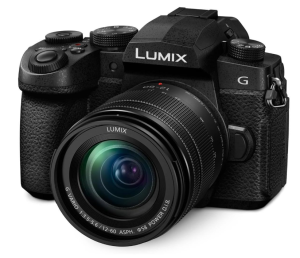
The Panasonic LUMIX G95 is a mid-range mirrorless camera built for photographers who enjoy both photos and videos. It combines portability with impressive image quality, making it perfect for everyday use, travel, and content creation. Its Micro Four Thirds mount offers flexibility, and the body design ensures comfort even in long shoots.
Features
The G95 features a 20.3MP MOS sensor without a low-pass filter, delivering detailed, crisp shots. It includes 5-axis image stabilization, reducing shake and keeping footage steady. The ISO sensitivity reaches up to 25,600, allowing clear photos in dim light.
The autofocus system is fast and reliable, ensuring sharp results in every frame. The included 12–60mm lens adds versatility, covering landscapes, portraits, and close-ups. Its 4K video recording at 30fps captures smooth footage for creators who want strong video performance.
What We Like
-
Compact and easy to handle
-
Sharp images with good color balance
-
Reliable autofocus system
-
Dual stabilization for smooth photos and videos
-
Includes a complete kit with lens, SD card, and bag
What We Didn’t Like
-
Limited burst shooting speed compared to the G9
-
Battery life could be longer
-
Plastic body feels less premium than higher-end models
My Opinion
The Panasonic G95 strikes a smart balance between quality and simplicity. It’s great for travel photographers and vloggers who want solid performance without extra bulk. The camera produces clean images, has reliable autofocus, and delivers stable videos — all at a reasonable price. While it’s not a professional powerhouse, it gives excellent value for anyone building creative skills.
Panasonic LUMIX G9
About This Tool
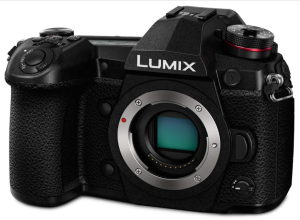
The Panasonic LUMIX G9 is a high-performance mirrorless camera built for serious photographers and videographers. It brings professional-grade speed, precision, and durability to the Micro Four Thirds system. The body is tough and weather-sealed, making it dependable in tough outdoor conditions.
Features
The G9 uses a 20.3MP CMOS sensor but offers more processing power and dynamic range than the G95. It includes an 80MP high-resolution mode, perfect for detailed landscape or product photography. The Dual I.S. 2.0 stabilization system minimizes shake even during handheld shots.
This camera can record 4K 60p 10-bit video for professional-quality footage. The 5-axis stabilization, combined with fast autofocus, ensures smooth tracking and sharp results. Its rugged magnesium alloy build resists dust, splash, and freezing temperatures down to -10°C. Twin SD card slots, a full-size HDMI port, and a 3.5mm audio jack make it suitable for advanced workflows.
What We Like
-
80MP high-resolution mode for stunning detail
-
Excellent build quality and weather sealing
-
Fast continuous shooting up to 20fps
-
Professional 4K 60p recording
-
Dual SD card slots for secure storage
What We Didn’t Like
-
Slightly heavier than the G95
-
Higher price point
-
Menu system may feel complex for beginners
My Opinion
The Panasonic G9 stands out as a professional’s workhorse. It’s fast, tough, and precise, delivering incredible stills and video. The high-resolution mode adds flexibility for commercial or fine-art photography. Though it’s bulkier and more expensive, it’s well worth it for creators who want full control and reliability in every shoot.
Detailed Comparison: Panasonic G95 vs G9
The Panasonic G95 and G9 share the same 20.3MP sensor, but they target different users. The G95 focuses on simplicity and value, while the G9 focuses on performance and flexibility. In handling, the G95 is lighter and easier to carry, making it ideal for travel or casual shooting.
The G9, on the other hand, has a more solid build and weather sealing, perfect for outdoor professionals. In terms of stabilization, both cameras perform well, but the G9’s Dual I.S. 2.0 system provides extra smoothness during video and handheld shots.
The G9 also supports 4K 60p recording, compared to the G95’s 4K 30p limit, giving it a clear edge in video quality. For photographers, the G9’s 80MP high-resolution mode offers superior detail for studio or landscape work.
The G95 lacks this feature but remains capable for everyday projects. Battery life and connectivity also favor the G9, which includes dual SD slots and more professional ports. Still, the G95 wins for simplicity, price, and portability.
FAQs
1. Which camera is better for travel?
The G95 is lighter and easier to carry, making it a smart pick for travel photography.
2. Does the G9 have better video performance?
Yes. The G9 supports 4K 60p 10-bit video, offering smoother footage for professional use.
3. Is there a big difference in image quality?
Both use a 20.3MP sensor, but the G9 delivers slightly better detail and dynamic range thanks to advanced processing.
4. Can both cameras handle low-light situations?
Yes. The G95’s ISO range up to 25,600 and the G9’s improved noise control make both solid in dim conditions.
5. Which camera should beginners choose?
The G95 is easier to learn and more affordable, while the G9 suits users with more experience.
Conclusion
The Panasonic G95 is perfect for creators who value ease, affordability, and reliable performance. It’s compact yet powerful enough for both photo and video. The Panasonic G9 pushes performance further, built for professionals who demand speed, precision, and versatility.
Both share Panasonic’s strong color science and design quality, but your choice depends on your needs. If portability and simplicity matter most, go for the G95. If professional-grade control and advanced features appeal to you, the G9 stands tall as the better option.