Olympus 12-40mm vs Panasonic 12-35mm: Which Lens Delivers the Edge?
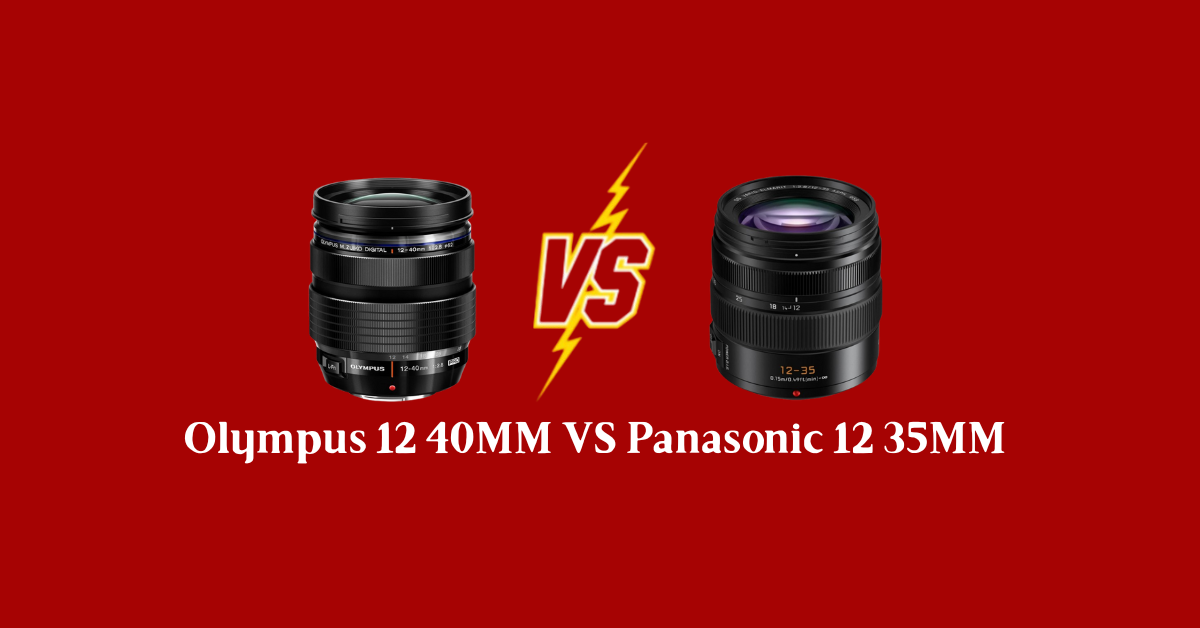
Two of the most popular Micro Four Thirds zoom lenses, the Olympus 12-40mm f/2.8 PRO and the Panasonic 12-35mm f/2.8, compete closely for the top spot in performance and value. Each lens offers a bright constant aperture, fast autofocus, and weather-sealed construction designed for professionals and enthusiasts alike.
The Olympus 12-40mm stands out with its slightly longer zoom range and impressive edge-to-edge sharpness, making it ideal for portraits, landscapes, and detailed shots. The Panasonic 12-35mm focuses on lightweight handling and excellent optical stabilization, which benefits handheld video shooters and travelers.
Both lenses deliver outstanding image quality and reliable performance in tough environments. The difference lies in handling, size, and specific shooting needs. Olympus offers a rugged, precise experience, while Panasonic gives a smoother, more compact feel. Understanding these distinctions helps photographers pick the zoom that best matches their creative goals.
Table of Contents
ToggleOlympus 12-40mm vs Panasonic 12-35mm: A Battle of Premium Lenses
Micro Four Thirds shooters often face one big question: which standard zoom lens delivers better value — the Olympus 12-40mm f/2.8 PRO or the Panasonic 12-35mm f/2.8 Leica DG Vario-Elmarit? Both are excellent lenses with fast apertures, strong build quality, and sharp optics. They serve as go-to lenses for travel, portraits, and video work.
Olympus brings solid durability and top-tier craftsmanship, while Panasonic offers compact handling and built-in image stabilization. Both lenses share a constant f/2.8 aperture, making them perfect for low-light photography and consistent exposure control. Let’s take a closer look at each lens and see which one deserves a place on your camera.
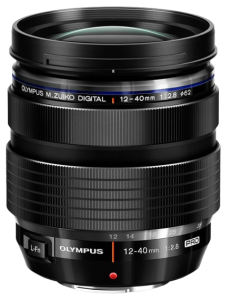
Olympus M.Zuiko Digital ED 12-40mm F2.8 PRO Lens
About This Tool
Olympus designed this 12-40mm lens as part of its professional PRO lineup. It covers a versatile 24–80mm equivalent focal range, ideal for portraits, landscapes, and everyday photography. Built with metal construction, it feels premium and durable. The constant f/2.8 aperture ensures sharp and bright results across all zoom levels. Its weather-sealed body keeps dust, splashes, and cold temperatures at bay, making it ready for outdoor adventures.
Features
-
Constant f/2.8 maximum aperture
-
Focal length: 12–40mm (35mm equivalent: 24–80mm)
-
Minimum focus distance: 7.87 inches (20cm)
-
14 elements in 9 groups (ED, HR, HD, and Aspherical lenses)
-
Dustproof, splashproof, and freezeproof design
-
Manual focus clutch mechanism
-
Includes lens hood, pouch, and 62mm filter thread
-
Compatible with both Olympus and Panasonic Micro Four Thirds cameras
What We Like
-
Excellent image sharpness across the frame
-
Rugged and weather-sealed metal body
-
Smooth manual focus clutch for instant control
-
Great color reproduction and contrast
-
Reliable autofocus for photos and video
What We Didn’t Like
-
A bit heavier than some competitors
-
No built-in image stabilization
-
Slightly higher price compared to non-PRO lenses
My Opinion
The Olympus 12-40mm f/2.8 PRO lens is built like a tank. It performs beautifully in different conditions and produces clear, vibrant images. The focus clutch gives it a professional touch that photographers appreciate. It’s a solid choice for anyone who values durability, consistent sharpness, and reliable performance in every environment.
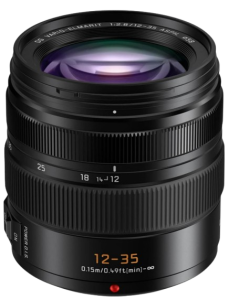
Panasonic Lumix G Series 12-35mm F2.8 Lens
Product Details
Panasonic’s 12-35mm f/2.8 Leica DG Vario-Elmarit lens combines portability and professional quality. It covers a 24–70mm equivalent range, perfect for landscapes, portraits, and close-up shots. Its compact body and built-in Power O.I.S. (Optical Image Stabilizer) make it ideal for handheld shooting and video work. With Leica-grade optics, this lens promises crisp details and rich colors.
Features
-
Leica DG Vario-Elmarit 12–35mm f/2.8 lens
-
Constant f/2.8 aperture throughout the zoom range
-
Power O.I.S. with Dual I.S. 2 support for shake-free images
-
58mm filter size and compact 10.7 oz (306g) weight
-
Rugged dust- and splash-resistant design
-
Smooth and silent autofocus for both photo and video
-
Compatible with all Micro Four Thirds cameras
What We Like
-
Excellent sharpness and color accuracy
-
Built-in image stabilization works great for handheld use
-
Compact and lightweight for travel
-
Smooth, quiet autofocus for video shooting
-
Premium Leica optics
What We Didn’t Like
-
Shorter zoom range than Olympus 12-40mm
-
High price compared to older versions
-
Slight distortion at 12mm wide end
My Opinion
The Panasonic 12-35mm f/2.8 lens combines performance with portability. Its Power O.I.S. makes a real difference for video users and handheld shooters. The Leica optics deliver beautiful colors and contrast. It’s a perfect fit for those who want top quality without adding extra weight to their camera bag.
Details Comparison
Olympus 12-40mm and Panasonic 12-35mm lenses both offer a constant f/2.8 aperture and outstanding optical quality. The Olympus lens feels more rugged with its all-metal weather-sealed build, while Panasonic focuses on compactness and stabilization. Olympus covers a slightly longer focal range (40mm vs 35mm), offering a bit more reach for portraits and mid-zoom shots.
Panasonic’s advantage is its built-in image stabilization, which pairs perfectly with Lumix camera bodies for Dual I.S. 2 performance. This makes it more useful for handheld shooting and video. Olympus, on the other hand, relies on in-body stabilization found in many of its cameras, so it’s less of an issue for Olympus users.
Both lenses are sharp across the frame and perform well in low light. Olympus produces slightly warmer tones, while Panasonic leans toward neutral color balance. In short: Olympus is best for those who need ruggedness and reach. Panasonic wins for its compact size, stabilization, and video-friendly design.
FAQs
Q1: Do both lenses have weather sealing?
Yes. Both lenses are dust- and splash-resistant. The Olympus 12-40mm also adds freezeproof protection.
Q2: Which lens has built-in stabilization?
The Panasonic 12-35mm includes Power O.I.S., while the Olympus 12-40mm does not.
Q3: Are these lenses compatible with both Olympus and Panasonic cameras?
Yes. Both lenses use the Micro Four Thirds mount, so they work with either brand.
Q4: Which lens is better for video?
Panasonic 12-35mm performs better for video thanks to its quiet autofocus and optical stabilization.
Q5: Which lens is sharper?
Both lenses offer excellent sharpness, though Olympus maintains slightly more edge-to-edge consistency.
Q6: Which one is lighter?
The Panasonic 12-35mm weighs about 10.7 oz, while the Olympus 12-40mm weighs around 13.5 oz — making Panasonic the lighter option.
Q7: Which lens gives better value for money?
Olympus provides more range and toughness at a lower price. Panasonic costs more but includes stabilization and Leica optics.
Conclusion
Olympus 12-40mm and Panasonic 12-35mm are both high-quality lenses for Micro Four Thirds systems. Olympus brings excellent build quality, sharp optics, and a longer zoom range. Panasonic offers compact design, optical stabilization, and quiet video performance.
Pick the Olympus 12-40mm f/2.8 PRO for outdoor work, durability, and all-around versatility.
Go for the Panasonic 12-35mm f/2.8 Leica DG Vario-Elmarit if you value portability, smoother handheld shooting, and video-friendly performance.
Both are professional-grade lenses that can handle almost any shooting situation. The choice comes down to your style — and what matters more: rugged design or image stabilization.