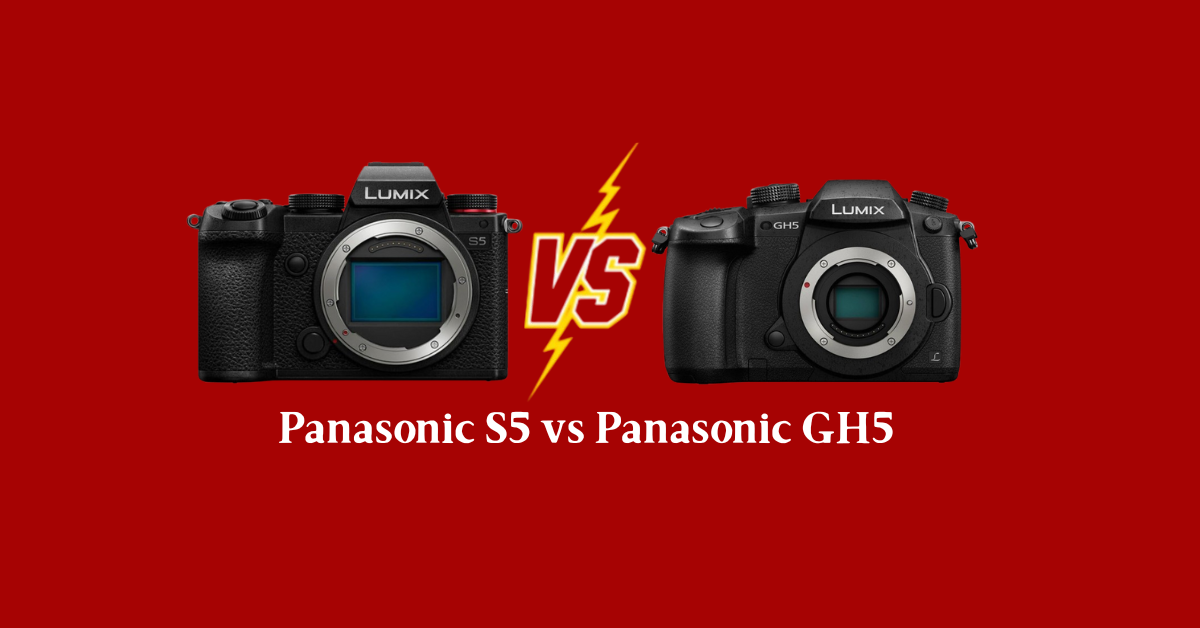
Panasonic S5 vs GH5: The Ultimate Mirrorless Showdown!
Panasonic built two powerhouse cameras that appeal to creators with different visions—the full-frame Lumix S5 and the Micro Four Thirds Lumix GH5. The S5 focuses on delivering cinematic image quality, rich detail, and strong low-light performance, making it a favorite among photographers and filmmakers seeking depth and dynamic range.
The GH5 offers unmatched versatility with its fast performance, compact body, and professional video tools designed for creators who value mobility. Both cameras deliver exceptional results but serve different shooting priorities. The S5 leans toward high-end cinematic production, while the GH5 provides speed and efficiency for run-and-gun video work or travel content.
Each system has a loyal following because both strike an impressive balance between performance and value. Comparing their features side by side reveals which model best fits your creative workflow and the kind of stories you aim to capture through your lens.
Panasonic S5 vs GH5: A Balanced Battle Between Two Hybrid Powerhouses
Every photographer and filmmaker wants a camera that captures both stunning photos and cinematic videos with ease. The Panasonic Lumix S5 and GH5 are two strong contenders that promise just that. Both models have built a solid reputation for their hybrid performance, allowing creators to shoot breathtaking images and professional-grade videos.
The S5 belongs to Panasonic’s full-frame lineup, known for its outstanding image quality, rich dynamic range, and strong low-light capability. On the other hand, the GH5 is part of the legendary Micro Four Thirds family, loved for its compact design, fast performance, and flexibility in video work. Both are aimed at content creators, travelers, and professionals who want one camera to do it all.
Deciding between the two can be challenging. The S5 brings full-frame power in a small body, while the GH5 offers speed, dependability, and excellent stabilization. Each has its strengths that make it unique in its own way. This detailed comparison explores both cameras in depth — their features, usability, what they excel at, and where they might fall short. By the end, you’ll have a clear picture of which one best fits your creative needs.
Panasonic Lumix S5
About This Tool
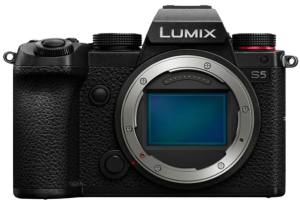
The Panasonic Lumix S5 is a compact full-frame mirrorless camera that blends professional image quality with portability. It uses a 24.2MP CMOS sensor that captures vivid colors, natural tones, and impressive details. The S5’s design aims to provide a perfect balance between photography and filmmaking, delivering strong performance in both areas. Despite being lightweight, it carries the same image engine found in Panasonic’s higher-end models.
Features
-
24.2MP full-frame CMOS sensor for rich, detailed photos
-
Dual Native ISO for better low-light performance and reduced noise
-
5-axis Dual I.S. 2 stabilization for steady handheld shooting
-
4K 60p 10-bit internal recording
-
V-Log/V-Gamut support for up to 14 stops of dynamic range
-
Weather-sealed magnesium alloy body
-
Full HDMI, mic, and headphone ports
-
Long battery life with USB-C charging support
What We Like
The S5 stands out for its full-frame quality in a small, well-built body. Its color science produces beautiful skin tones and true-to-life results. The in-body stabilization makes handheld shots stable even during movement. The autofocus system, though contrast-based, performs well for still photography and controlled video setups. The camera’s video capabilities are strong enough for professional use, and the ability to record in 10-bit with V-Log makes it ideal for color grading.
What We Didn’t Like
The autofocus can sometimes struggle with continuous tracking, especially for fast-moving subjects. While the camera is compact, some users might find the grip small during long shoots. Also, the rolling shutter in some 4K modes can be noticeable during quick pans.
My Opinion
The Panasonic S5 feels like a camera designed for those who want professional results without carrying heavy gear. Its full-frame sensor gives it a clear edge in low light and dynamic range. For hybrid creators who value both photo and video work, the S5 hits a sweet spot. It’s flexible, dependable, and delivers excellent output that rivals higher-end models.
Panasonic Lumix GH5
Product Details
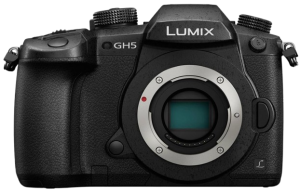
The Panasonic Lumix GH5 is a Micro Four Thirds mirrorless camera that changed how people view compact video cameras. It comes with a 20.3MP Digital Live MOS sensor without a low-pass filter, giving crisp and detailed images. The GH5 focuses on speed, precision, and reliability — qualities that make it a favorite among videographers, vloggers, and event shooters.
Features
-
20.3MP Micro Four Thirds sensor for detailed photos
-
5-axis in-body stabilization with Dual I.S. 2 compatibility
-
Unlimited 4K 60p video recording
-
10-bit 4:2:2 internal recording for professional-grade color depth
-
Weather-sealed magnesium alloy body
-
Dual SD card slots for extended recording
-
6K Photo mode for capturing perfect moments
-
Fast burst shooting at 12fps
What We Like
The GH5 is built like a tank. It feels durable, reliable, and made for real-world shooting. The unlimited 4K 60p recording gives it a serious edge for video creators. The stabilization system is one of the best, allowing smooth footage even without a gimbal. The dual card slots make it practical for professional shoots, and the camera handles heat extremely well during long recordings.
What We Didn’t Like
The smaller Micro Four Thirds sensor limits low-light performance compared to full-frame cameras. Depth of field is also harder to control, making it slightly more challenging to get that creamy background blur. The autofocus system, while improved, still relies on contrast detection, which can lag behind in fast-action situations.
My Opinion
The GH5 remains a strong choice even years after its release. It delivers excellent results, especially for video work. The robust design, unlimited recording time, and impressive stabilization make it a dependable workhorse for filmmakers. While it may not match full-frame cameras in shallow depth of field or low-light shooting, its performance, flexibility, and reliability are hard to beat for the price.
Detailed Comparison: Panasonic S5 vs GH5
The S5 and GH5 serve similar audiences but with different approaches. The S5’s full-frame sensor gives it a clear advantage in image quality, low-light performance, and depth of field control. Images look more natural, with smoother transitions and greater detail in shadows. The GH5, though smaller in sensor size, fights back with speed and endurance. It can record unlimited 4K 60p video without overheating, making it a solid choice for long shoots or live events.
The S5 offers a cinematic look that’s closer to higher-end cameras, thanks to its Dual Native ISO and V-Log support. The GH5, on the other hand, is a master of practicality. It’s lighter, easier to handle, and has dual card slots for extended recording. In terms of autofocus, both use contrast-based systems, but the S5’s latest firmware improves tracking performance slightly.
If still photography is your main focus, the S5 produces cleaner, richer images, especially in low light. If your work leans heavily on video production or you prefer a compact setup, the GH5 provides more recording flexibility. Both cameras share Panasonic’s distinct color science and reliability, so your final choice depends on whether you value full-frame image quality or long recording stability more.
FAQs
1. Which camera is better for low-light photography?
The Panasonic S5 performs better in low light due to its full-frame sensor and Dual Native ISO, producing cleaner images with less noise.
2. Can both cameras record 4K 60p video?
Yes, both the S5 and GH5 support 4K 60p recording. The main difference is that the GH5 allows unlimited recording time, while the S5 has a shorter clip limit depending on settings.
3. Which one is better for travel photography?
The GH5 is lighter and smaller, making it easier to carry around. The S5 offers better image quality but comes in a slightly heavier body.
4. Do both cameras have in-body stabilization?
Yes, both include Panasonic’s 5-axis Dual I.S. 2 stabilization system, giving smooth handheld results for both video and stills.
5. Is the S5’s autofocus better than the GH5’s?
Both use contrast-based systems, but the S5 has improved algorithms that make it faster and more accurate, especially after firmware updates.
6. Which one handles heat better during long recordings?
The GH5 has excellent thermal control and can record for hours without overheating, making it ideal for long video shoots or live events.
7. Do both cameras support V-Log?
Yes, both support V-Log, which helps achieve a flat profile for color grading in post-production.
8. Which camera is better for photography overall?
The S5’s full-frame sensor delivers superior image quality, dynamic range, and low-light performance, making it the better choice for photography.
9. Which one is more suitable for professional video work?
The GH5’s unlimited recording, dual card slots, and reliable cooling make it a favorite among professional videographers who shoot extended sessions.
10. Should I upgrade from GH5 to S5?
If you want better photo performance, improved color depth, and stronger low-light results, upgrading to the S5 is worth it. But if you mainly shoot videos and value unlimited recording, the GH5 still performs exceptionally well.
Conclusion
The Panasonic S5 and GH5 stand as two of Panasonic’s most respected hybrid cameras. Both deliver a balance of performance, quality, and dependability that suits creators of all levels. The S5’s full-frame sensor wins in image quality and low-light performance, while the GH5 shines in video endurance, stability, and practicality.
For those who prioritize cinematic visuals, the S5 delivers stunning results with its dynamic range and color accuracy. For creators focused on reliability, travel, and long video sessions, the GH5 remains a smart, dependable choice. Both are capable tools that continue to prove Panasonic’s strong position in hybrid camera design — making either one a great investment for serious creators.