Why Won’t My Ryobi Pressure Washer Start?
A Ryobi pressure washer supports many cleaning jobs. A driveway packed with dirt. A deck covered with stains. A car coated with mud. Every job feels simple once that strong water stream starts. So the moment the machine refuses to start, the frustration hits fast.
The mind jumps to many questions. Something broke? The motor died? The pump jammed? Or maybe the problem sits in a small part that needs a quick fix. A pressure washer depends on many little systems. Each part plays a clear role.
One weak part causes the whole machine to stop. So a clear and patient inspection helps more than guessing. A slow check of fuel, spark, water supply, soap settings, and hoses often reveals the real reason.
Small issues create big confusion. Dirt in a carburetor. A worn spark plug. Low oil. A tripped GFCI. A clogged nozzle. Simple problems cause loud trouble. This guide gives full details so every reader understands each issue in easy steps.
Every section uses short phrases and simple vocabulary so non-native readers follow everything without stress. The goal stays the same: keep the tone soft, clear, and natural.
Now let’s go through the reasons your Ryobi pressure washer refuses to start and what you can do about each one.
Fuel-Related Problems on Gas Ryobi Pressure Washers

Gas models depend on a clean fuel system. Any fault in this part stops the motor.
Old Fuel Blocks Clean Ignition
Old fuel turns thick and sticky. The smell changes. The texture turns heavy. This sludge blocks the carburetor and stalls the engine. Even a small amount of stale fuel stops a Ryobi pressure washer from starting.
Fresh gasoline delivers strong ignition. Clean fuel burns with smooth power. So draining old fuel gives the motor a real chance to run.
Signs of old fuel:
-
Sour smell
-
Dark color
-
Slow crank without ignition
-
Hard sputtering
What to do:
-
Empty the fuel tank
-
Add fresh gasoline
-
Add a small amount of fuel system cleaner
-
Prime the engine again
The machine responds fast once the fuel flows clean.
A Clogged Carburetor Stops Fuel Flow
A carburetor manages air and fuel balance. Dirt inside this part restricts fuel. A small blockage creates a big failure. Many owners face this issue after the pressure washer sits in a garage for months.
A carburetor cleaning solves the problem. A light spray of carb cleaner removes sticky residue. Heavy dirt needs a deep cleaning.
Why clogs happen:
-
Old fuel left in tank
-
Dust entering through vents
-
Gum buildup after storage
Results:
-
No ignition
-
Slow sputter
-
Weak engine cycling
Removing the dirt restores clean air and fuel movement.
A Dirty Air Filter Blocks Breathing
A motor needs clean air. A clogged filter acts like a heavy blanket over the engine. Strong pressure washers breathe fast. A dirty filter slows the airflow and stops combustion.
A quick look at the air filter gives the answer. A dusty or soaked filter needs cleaning or replacement. A clean filter supports smooth starting.
Easy steps:
-
Remove the air filter cover
-
Inspect the filter
-
Tap dust out
-
Replace if torn or soaked
This simple fix brings many Ryobi pressure washers back to life.
Spark-Related Issues That Prevent Ignition

A gas motor needs a strong spark to ignite the fuel.
A Worn Spark Plug Gives Weak Ignition
A spark plug creates the fire that starts the engine. Dirt on the electrode blocks the spark. A cracked plug causes misfires. A fully worn plug gives no spark at all.
A spark plug inspection takes only a few minutes. A fresh plug usually restores clean ignition fast.
Spark plug problems include:
-
Carbon buildup
-
Oil on the tip
-
Cracked porcelain
-
Loose connection
Cleaning or replacing the plug solves this.
A Loose Spark Plug Wire Breaks Contact
A spark plug wire must sit tight. A loose wire means no spark reaches the engine. This issue appears simple but stops the whole machine.
Pressing the wire firmly into place restores immediate power.
Oil-Related Problems That Cause Automatic Shutoff
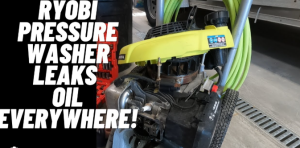
Many Ryobi gas pressure washers include a low-oil sensor. This sensor stops the engine to protect the motor.
Low Oil Triggers Safety Shutoff
Low oil stops the engine from starting. This rule protects internal parts from heat damage. A short check of the dipstick reveals the real level.
Steps:
-
Hold the washer on level ground
-
Pull out the dipstick
-
Check the oil position
-
Add oil if the level sits below the line
A filled tank allows the motor to start again.
Dirty Oil Creates Thick Resistance
Dirty oil turns dark and heavy. Thick oil slows the motor. The engine struggles to move and shutoff sensors may react. A basic oil change restores smooth motion inside the engine.
Water Supply Problems on Ryobi Pressure Washers
Electric and gas models both need steady water pressure before the motor starts.
Low Water Flow Blocks the Pump System
A pressure washer uses water to cool and protect the pump. Low water flow creates a safety lock. The machine stops to prevent pump damage.
Common causes of low flow:
-
Kinked hose
-
Closed faucet
-
Weak home water pressure
-
Blocked inlet screen
Straightening the hose or cleaning the inlet screen solves this quickly.
Air Trapped in the Hose Creates Start Issues
Air pockets block water movement. The pump expects a full stream of water. Air inside the hose interrupts this flow.
Clear air by:
-
Disconnecting the wand
-
Running water through the hose
-
Letting water push all air out
-
Reconnecting parts
This small step often helps an electric Ryobi pressure washer start again.
Nozzle-Related Problems
A blocked nozzle interrupts water pressure and affects the machine’s ability to run.
A Clogged Nozzle Restricts Water Flow
Dirt, sand, or debris inside the nozzle reduces flow. The pump senses stress and stops working. A quick cleaning solves this.
How to clean the nozzle:
-
Remove the nozzle
-
Insert a cleaning pin
-
Push out dirt
-
Run water to flush inside
Once clear, water moves without resistance.
Issues Specific to Electric Ryobi Pressure Washers

Electric models depend on clean power supply. A small power fault stops everything.
A Tripped GFCI Blocks Power
Most electric pressure washers include a GFCI plug. This plug protects against shock. A small surge or moisture triggers the safety button. A tripped GFCI stops power.
Pressing the RESET button restores flow.
A Weak Extension Cord Reduces Voltage
Long or thin extension cords reduce power. Low voltage stops the motor from running. Electric pressure washers need strong current.
A short, heavy-duty cord stabilizes the power supply.
A Faulty Power Outlet Cuts Electricity
Sometimes the outlet loses power. A quick test with another tool confirms this. Switching to a new outlet solves the problem.
Pump-Related Issues That Stop Start-Up
A pressure washer pump plays a major role in the start process.
A Stuck Unloader Valve Disrupts Pressure Control
The unloader valve manages water pressure. A stuck valve traps pressure inside the pump. This pressure blocks the motor from running.
Cleaning or lubricating the valve restores movement.
Internal Pump Damage Blocks Operation
Harsh storage conditions or long periods of no use create pump issues. Seals break. Pistons jam. The motor senses resistance and refuses to start.
This issue often needs professional repair.
Soap System Problems That Affect Start-Up
Some models refuse to start or run properly if the soap line remains clogged.
Thick Soap Blocks the Siphon Tube
Heavy soap sits inside the siphon line and blocks suction. This jam strains the system.
Rinsing the tube clears the clog.
Pressure Inside the System Creates Resistance
Trapped Pressure Locks the Trigger System
Leftover pressure inside the pump system creates tension. The motor struggles to push against this internal load.
Squeezing the trigger before the start releases the pressure.
Storage-Related Problems
Long storage creates many small issues.
Fuel Breakdown After Storage
Fuel left in the tank during winter creates gum, sludge, and clogs. This remains the top reason for start problems in gas models.
Moisture Inside the Motor or Pump
Moisture settles inside unused parts. Rust forms. Moving parts get stuck. Drying the machine or lubricating parts solves this.
Step-By-Step Troubleshooting Guide

This simple sequence covers all main problems.
Step 1 – Check the Basics
-
Water supply on
-
Hose straight
-
Nozzle clean
-
Trigger unlocked
Step 2 – Check the Power or Fuel
Electric models:
-
GFCI reset
-
Strong outlet
-
Heavy-duty extension cord
Gas models:
-
Fresh fuel
-
Clean carburetor
-
Strong spark plug
Step 3 – Release Pressure
Pull the trigger to release trapped pressure.
Step 4 – Inspect Filters
Clean air filter
Clean water inlet screen
Step 5 – Check the Pump and Unloader Valve
Look for jams.
Lubricate moving parts.
FAQs
Why does my Ryobi gas pressure washer crank but not start?
Old fuel, a clogged carburetor, or a weak spark plug often cause this. A fresh fuel mix and a clean spark plug usually solve it.
Why does my Ryobi electric pressure washer hum but not run?
Low voltage or a stuck pump creates this hum. A stronger cord or a pump cleaning helps.
Why does my pressure washer start for one second and then stop?
Low oil, blocked air filter, or a stuck unloader valve causes this quick stop.
Why does my Ryobi pressure washer start after priming but stop later?
Fuel flow issues or carburetor dirt often cause this cycle.
Can a clogged nozzle stop the pressure washer from starting?
Yes. A blocked nozzle creates pressure load and the machine protects itself by refusing to run.
Why does my pressure washer only run after I hold the trigger?
A stuck unloader valve or pressure trapped inside the pump creates this issue.
How often should I service my Ryobi pressure washer?
A seasonal check keeps the motor, pump, and hoses in good shape.
Can cold weather stop my Ryobi pressure washer from starting?
Cold fuel, stiff oil, or frozen water lines block the start process.
Conclusion
A Ryobi pressure washer depends on clean fuel, strong spark, steady water flow, and clear power supply. One small issue inside these systems shuts the machine down. A slow and patient inspection reveals the real problem.
Fresh fuel, a clean nozzle, a working outlet, a clean carburetor, and a strong spark plug restore most pressure washers. Even air pockets or trapped pressure stop the machine for a short time.
A clear checklist improves reliability and reduces stress. Each simple fix leads to a smooth start and steady water pressure. A clean and well-maintained Ryobi pressure washer lasts for many seasons without trouble.