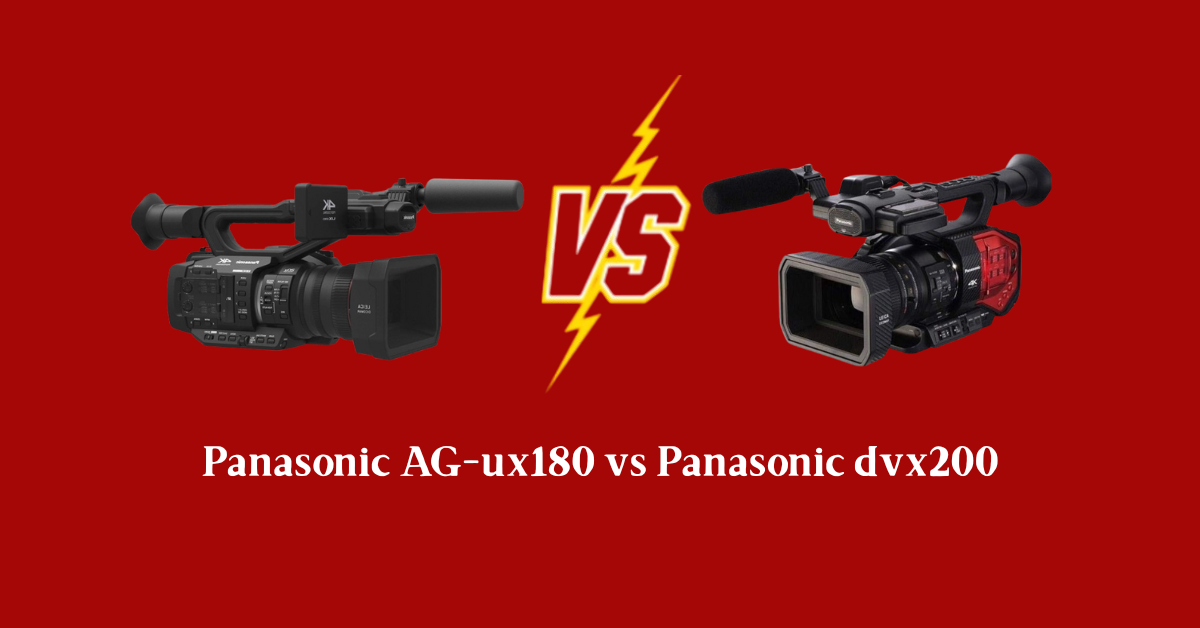
Panasonic AG-UX180 vs DVX200: Which 4K Camcorder Wins the Spotlight?
Panasonic’s AG-UX180 and DVX200 stand as two powerful options for professionals who demand high-quality 4K footage. The AG-UX180 focuses on flexibility, offering a 20x optical zoom and a compact build ideal for events, documentaries, and fast-paced productions.
The DVX200 takes a more cinematic route with a larger Four Thirds sensor that produces rich depth, smooth background blur, and vibrant colors suited for storytelling and film work.
Both models include pro features such as dual SD card slots, built-in ND filters, and multiple recording formats for seamless workflows. The AG-UX180 appeals to videographers who value portability and quick setup, while the DVX200 attracts creators chasing a cinematic aesthetic and dynamic control.
Each delivers outstanding performance, but the right choice depends on shooting priorities—speed and reach or depth and drama. Understanding these differences helps identify which camera captures your creative vision best.
Table of Contents
TogglePanasonic AG-UX180 vs DVX200: Which 4K Camcorder Delivers More Power for Professionals?
Panasonic’s professional camcorders are trusted by creators, videographers, and filmmakers across the world. Two of the most talked-about models in this lineup are the Panasonic AG-UX180 and the Panasonic AG-DVX200. Both record in 4K, both come with powerful lenses, and both are made for serious video production.
Even though they look similar on paper, they serve slightly different purposes. The AG-UX180 aims to offer flexibility and ease of use, while the DVX200 brings a more cinematic feel to handheld shooting. This detailed comparison explores their design, image quality, video features, and handling to help you decide which model fits your creative needs.
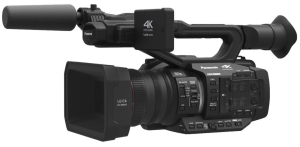
Panasonic AG-UX180 4K Premium Professional Camcorder
About This Tool
The Panasonic AG-UX180 is a professional 4K camcorder built for field work, live events, and broadcast recording. It features a 1.0-inch CMOS sensor that captures ultra-clear 4K footage and offers flexibility for both cinematic and television-style production.
It supports a wide range of recording formats, including DCI 4K (24p) and UHD 4K (up to 60p). This allows users to switch easily between different frame rates for various types of projects. The 20x Leica zoom lens, multiple recording modes, and dual SD card slots make this camera a reliable workhorse for professional use.
Features
-
1.0-inch Type CMOS sensor delivers rich, detailed 4K video.
-
20x optical zoom (8.8 to 176mm) for wide to telephoto shots.
-
Built-in Optical Image Stabilization (OIS) for steady handheld footage.
-
FHD slow-motion recording at up to 120 fps.
-
UHD/FHD dual codec recording for simultaneous video capture.
-
16-axis color correction system for precise color control.
-
IR night shooting mode for low-light recording.
-
Dual SD card slots allow relay, simultaneous, or background recording.
-
Three manual control rings for focus, zoom, and iris adjustments.
-
3.5-inch OLED touch display and high-resolution LCOS viewfinder.
-
Professional audio support with dual XLR inputs and phantom power.
-
Switchable 50Hz/59.94Hz modes for global video compatibility.
What We Like
The AG-UX180 offers a lot for its price. The 4K recording quality is excellent, capturing crisp detail and rich colors in both UHD and DCI formats. Its 20x Leica lens provides real flexibility in framing shots, from close-ups to long-range scenes, without losing clarity.
The dual codec recording feature is a big plus for professionals. You can record UHD and HD versions at the same time, saving time in post-production. The 16-axis color correction is another standout, allowing deep customization for precise color tones.
The manual lens rings feel smooth and responsive, giving full control over exposure, zoom, and focus. The image stabilization also works well for handheld shooting, making it ideal for documentaries or on-the-go shoots.
What We Didn’t Like
The AG-UX180 lacks built-in ND filters, which are important for controlling exposure in bright outdoor light. This can make shooting under sunlight difficult without using external ND filters.
The menu system feels technical for beginners, and the camera’s weight (about 9.4 pounds) can cause hand fatigue during long sessions.
Battery life is decent but could be longer for extended 4K shooting. Some users may also find the low-light performance average compared to larger-sensor cameras.
My Opinion
The AG-UX180 is a smart choice for professionals who need a versatile, all-purpose 4K camcorder. It performs strongly across different shooting situations — weddings, interviews, corporate videos, and events. The design feels professional, the controls are responsive, and the picture quality is top-tier for its class.
For videographers who work in mixed lighting conditions and want both cinematic and TV-ready footage, the AG-UX180 stands out as a reliable option that delivers consistent results.
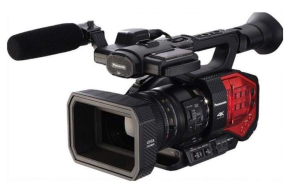
Panasonic AG-DVX200 4K Handheld Camcorder
Product Details
The Panasonic AG-DVX200 is designed for filmmakers who want the cinematic look of large-sensor cameras in a portable camcorder body. It combines a 4/3-inch MOS sensor with a Leica 13x f/2.8–f/4.5 lens, giving it better depth of field and more natural background blur than most traditional camcorders.
It supports both MOV and MP4 recording formats, with variable frame rates up to 120 fps for slow-motion video. Dual SD card slots allow continuous shooting, while HDMI 2.0 and 3G-SDI outputs provide clean external signal options for professional monitoring or live streaming.
Features
-
Large 4/3-inch MOS sensor for cinematic image quality.
-
13x Leica lens (f/2.8–f/4.5) with smooth zoom range.
-
4K recording in MOV or MP4 format for flexible editing.
-
Variable frame rate up to 120 fps in Full HD.
-
Dual SD card slots for long shoots.
-
HDMI 2.0 and 3G-SDI output for professional monitoring.
-
Three control rings for precise lens adjustments.
-
Strong color reproduction and smooth tonal range.
-
Solid magnesium alloy body for durability.
-
Built-in image stabilization for handheld recording.
-
Multiple audio format support (AAC, MP3, PCM).
-
3-inch LCD display with clear visibility in daylight.
What We Like
The DVX200 offers a natural cinematic feel that few camcorders in its range can match. The larger 4/3-inch sensor captures a shallower depth of field, which helps separate subjects from the background beautifully. This gives a film-like look that many professionals prefer.
The camera performs well in low light, and the variable frame rate allows creative slow-motion footage without losing sharpness. The color tone feels warm and lifelike, especially in skin tones.
Its solid body design feels durable and professional. The HDMI and SDI outputs make it easy to integrate with broadcast systems or external recorders.
What We Didn’t Like
The 13x zoom range feels limited compared to the AG-UX180’s 20x reach. It’s not ideal for distant subjects like wildlife or sports. The body is also heavy at 12 pounds, which can be tiring during handheld use.
Battery life drains faster in 4K mode, and some users may find the autofocus slightly slower in complex lighting conditions. The camera also uses Motion JPEG for some formats, which produces large file sizes.
My Opinion
The AG-DVX200 is built for creators who care about cinematic storytelling. Its large sensor, natural color depth, and strong manual controls make it perfect for documentaries, short films, and commercial projects.
It’s not the lightest or simplest camera, but its video quality and filmic look make it a favorite among professional videographers. The image quality feels closer to a cinema camera than a regular camcorder.
Detailed Comparison Of Panasonic AG-UX180 vs Panasonic DVX200
Both cameras deliver 4K performance, but they serve different creative goals. The AG-UX180 focuses on versatility and multi-purpose shooting. It’s great for live events, corporate videos, and fast-paced environments. The DVX200 leans more toward cinematic and artistic production, with its larger sensor and film-like tone.
The AG-UX180’s 20x optical zoom gives it more range than the DVX200’s 13x lens, which helps for distance work. It also supports dual codec recording for UHD and FHD at the same time — perfect for quick edits and backups.
On the other hand, the DVX200’s 4/3-inch sensor captures more natural depth, making it ideal for narrative filmmaking. The variable frame rate up to 120 fps gives it an edge for creative video work.
In terms of ergonomics, both have triple manual rings and dual SD slots, but the UX180 is lighter and easier to handle for long shoots. The DVX200’s build feels tougher, though heavier.
Both cameras handle color beautifully. The UX180’s 16-axis color correction offers precision for studio work, while the DVX200’s tones look more organic out of the box.
For audio, both support professional inputs, but the DVX200 has broader format compatibility.
In short:
-
AG-UX180 suits broadcast, event, and field videographers who need range and reliability.
-
DVX200 suits filmmakers who prioritize cinematic style and creative flexibility.
FAQs
1. Do both cameras record in 4K?
Yes, both shoot in 4K. The UX180 supports DCI 4K at 24p and UHD 4K up to 60p, while the DVX200 records 4K in MOV or MP4 formats.
2. Which one offers better low-light performance?
The DVX200 performs better in low light due to its larger 4/3-inch sensor.
3. Can both shoot slow motion?
Yes. Both support 120 fps in Full HD for smooth slow-motion videos.
4. Which has better zoom?
The AG-UX180 has a 20x zoom lens, while the DVX200 has a 13x zoom.
5. Are both good for professional use?
Yes. Both are designed for professional videography. The UX180 is more flexible, while the DVX200 is more cinematic.
6. Do they support dual SD cards?
Yes. Both models have dual SD card slots for long or backup recording.
7. Which one is better for travel and events?
The AG-UX180 is lighter and easier to carry, making it a better option for travel or event coverage.
Conclusion
The Panasonic AG-UX180 and AG-DVX200 are two powerful 4K camcorders built for professional work, but they excel in different areas. The AG-UX180 offers flexibility, longer zoom, and strong technical features for events, news, and corporate video.
The AG-DVX200 focuses on cinematic image quality, natural tones, and creative control for filmmaking and storytelling. Both models share Panasonic’s build quality and reliability. The right choice depends on your purpose.
If you want versatility and longer reach, choose the AG-UX180. If your goal is rich, cinematic visuals and film-style control, the DVX200 is the better pick. Both remain top-tier tools for anyone serious about professional video production.