how to set up ryobi pressure washer?
A Ryobi pressure washer is one of the most helpful tools for cleaning outdoor spaces. It blasts away dirt, mud, mold, and stains using high-pressure water. From washing cars and patios to cleaning driveways and garden furniture, it makes cleaning faster and more effective than traditional methods.
Many people feel nervous before using one for the first time, thinking it’s too technical or risky. But with a little guidance, anyone can use a Ryobi pressure washer safely. Each model follows similar steps, whether electric or gas-powered. Once you understand the basics, the job becomes simple, efficient, and even enjoyable.
This detailed guide explains everything you need to know — from setup to safe use, cleaning methods, and maintenance. It’s written in plain, easy-to-understand English so every user, even beginners, can follow along with confidence.
Understanding the Ryobi Pressure Washer
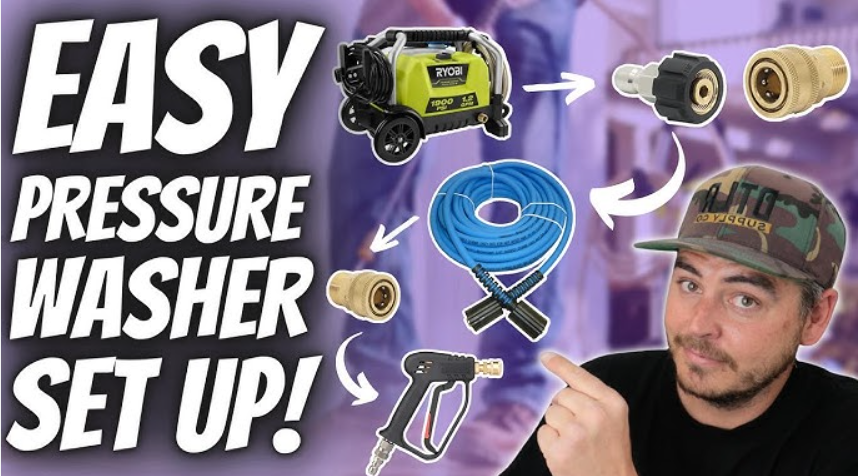
Ryobi produces a wide range of pressure washers. Each type serves a different cleaning purpose. Some are small and lightweight for home use, while others are more powerful for professional cleaning.
There are two main types of Ryobi pressure washers:
-
Electric Pressure Washer: Works by plugging into a power outlet. It’s quieter, lighter, and ideal for small to medium jobs like washing vehicles, patios, and garden furniture.
-
Gas Pressure Washer: Runs on fuel. It delivers higher pressure and water flow, making it perfect for cleaning large driveways, brick walls, or dirty concrete.
Both work by forcing water through a narrow nozzle. The small opening increases water pressure and sprays it out with strong force. The tighter the nozzle angle, the stronger the spray.
Benefits of Using a Ryobi Pressure Washer
A pressure washer saves time, water, and effort. It cleans faster than scrubbing with a brush or hose. Here are a few key benefits:
-
Cleans deep stains easily.
-
Saves water by focusing pressure instead of volume.
-
Removes mold and mildew that cause health issues.
-
Keeps outdoor areas looking fresh and new.
-
Works on many surfaces like wood, metal, stone, and plastic.
Understanding these benefits helps you use the machine more effectively and safely.
Preparation Before Starting
Proper setup makes your cleaning smooth and prevents damage. Take a few minutes to prepare your equipment and area.
1. Check the Water Supply
The pressure washer needs a steady water flow to perform well. Connect a garden hose to a water tap. Turn it on for a few seconds to clear air bubbles and dirt before connecting it to the washer. Weak or dirty water can harm the pump.
2. Inspect the Equipment
Look over your Ryobi washer. Check the hose, spray wand, and nozzle for cracks or leaks. Tighten any loose connections. A clean and well-connected setup ensures strong and steady pressure.
3. Choose the Right Nozzle
Each Ryobi washer comes with multiple nozzles, color-coded for easy identification:
-
Red (0°): A straight, powerful jet for hard concrete or metal.
-
Yellow (15°): A narrow fan for tough stains on brick or stone.
-
Green (25°): The most used nozzle for general cleaning.
-
White (40°): A gentle spray for cars, windows, and painted surfaces.
-
Black (Soap): Used for applying detergent or cleaning solution.
Start with a wider angle like green or white. Then move to a narrower nozzle if you need stronger cleaning.
4. Connect the Hoses and Power
Attach the garden hose to the water inlet on the washer. Attach the high-pressure hose to the outlet. Tighten both connections by hand, but not too tightly. For electric models, plug the power cord into a grounded outlet. For gas models, fill the tank with fresh gasoline and check the oil.
How to Use a Ryobi Electric Pressure Washer
Step 1: Turn On the Water Supply
Open the water tap completely. The washer pump must have water before starting or it could get damaged.
Step 2: Attach the Correct Nozzle
Choose a nozzle suitable for your task and attach it firmly to the spray wand. Push it in and twist it until it clicks into place.
Step 3: Turn On the Power
Switch the unit to the “ON” position. The motor will start running softly.
Step 4: Start Spraying
Hold the spray gun firmly with both hands. Pull the trigger to release the water. Begin spraying from a distance, about two feet away. Move closer slowly until you find the right cleaning strength.
Keep the spray wand in motion to prevent damage to paint or wood. Don’t aim at fragile surfaces directly.
Step 5: Apply Soap (Optional)
Switch to the black soap nozzle if you want to use detergent. Fill the detergent tank with a cleaning solution. Spray the soap evenly over the surface. Wait a few minutes to let it work on the dirt, then rinse it off using a normal nozzle.
How to Use a Ryobi Gas Pressure Washer
Step 1: Add Fuel and Oil
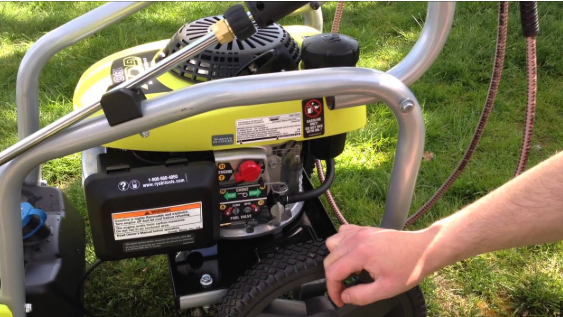
Fill the fuel tank with clean, unleaded gasoline. Check the oil level with the dipstick. Never run the washer without oil — that can damage the engine.
Step 2: Connect Water and Hoses
Attach the garden hose and high-pressure hose tightly. Then connect the spray wand and nozzle.
Step 3: Turn On the Water Supply
Open the tap to let water run through the system. This removes air pockets and helps the pump work smoothly.
Step 4: Start the Engine
Move the choke lever to the “START” position. Turn the fuel valve on. Pull the starter cord firmly until the engine starts. Once it’s running, move the choke to the “RUN” position.
Step 5: Begin Cleaning
Hold the spray gun tightly and pull the trigger. Adjust the distance and angle depending on the surface. Use shorter bursts for stubborn stains and wide sprays for gentle cleaning.
Cleaning Techniques for Best Results
-
Start from the top of a surface and move downward. This helps dirt flow off easily.
-
Use steady, sweeping motions. Avoid staying in one spot too long.
-
For driveways, use a yellow nozzle for deep cleaning.
-
For wooden decks, keep extra distance to avoid splintering.
-
For cars, use a white nozzle with low pressure.
Different jobs need different pressure settings. The more practice you get, the better control you’ll have.
Maintenance After Each Use
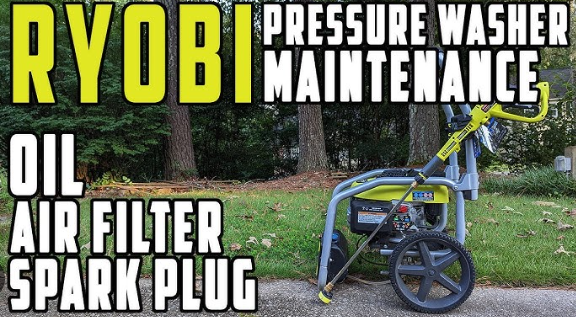
1. Turn Everything Off
Release the trigger, then switch the washer off. For gas models, turn off the engine and fuel valve.
2. Turn Off the Water
Close the water tap and press the spray trigger again to release leftover pressure.
3. Disconnect Hoses
Remove the hoses one by one. Let water drain out completely before wrapping them up.
4. Clean the Nozzles
Use a small cleaning pin or needle to clear dirt from nozzle tips. A clogged nozzle can cause uneven pressure or damage the pump.
5. Store the Washer Safely
Keep the machine in a dry, shaded place. Don’t leave it outdoors under rain or sunlight. For winter storage, drain all water to prevent freezing damage.
Troubleshooting Common Problems
1. Weak or No Pressure
Check if the nozzle is blocked. Clean it properly. Make sure the garden hose has enough water flow. Also, ensure no air leaks in the connection.
2. Washer Won’t Start (Electric Models)
Check that the power cord is plugged in and the outlet works. Press the reset button on the plug if needed.
3. Washer Won’t Start (Gas Models)
Make sure there’s enough fuel and oil. Also check that the choke is in the correct position.
4. Leaks Around Hoses
Tighten all hose connections and replace damaged washers or O-rings.
5. Detergent Not Coming Out
Switch to the soap nozzle and check that the detergent tube is fully inserted into the soap tank. Use only pressure-washer-safe soap.
Safety Tips to Remember
-
Always wear safety glasses and closed shoes.
-
Never point the spray at people, pets, or electrical devices.
-
Keep your hands away from the spray tip during operation.
-
Don’t use the washer on glass at high pressure.
-
Store fuel safely and away from heat if using a gas model.
-
Read the user manual before the first use.
Following these tips keeps you safe and protects your machine.
Extra Tips for Better Cleaning
-
Pre-soak very dirty surfaces with water before applying detergent.
-
Clean large areas in sections for even results.
-
Use mild pressure for painted or delicate surfaces.
-
Dry the cleaned area with a cloth or let it air dry to avoid streaks.
-
Perform regular maintenance once a month if you use the washer often.
FAQs
1. Can I use hot water in a Ryobi pressure washer?
No. Ryobi models are designed for cold water only. Hot water can damage seals and hoses.
2. What nozzle should I use for my car?
Use the white 40° nozzle. It’s gentle enough for paint and glass.
3. How often should I clean the nozzle?
Clean it after every use. This prevents clogging and helps maintain pressure.
4. Can I use bleach or harsh chemicals?
Avoid bleach or strong chemicals. They can harm the pump and seals. Always use cleaners made for pressure washers.
5. Why does my washer pulse while spraying?
That means air is trapped in the system. Release the trigger and let water run for a few seconds to remove air bubbles.
6. Can I use a longer hose?
Yes, but it must match your washer’s PSI rating. A hose that’s too long or narrow can reduce pressure.
Conclusion
Using a Ryobi pressure washer is easy once you understand the steps. Connect the hoses, choose the right nozzle, start the unit, and spray with steady motion. It cleans faster and saves more water than any traditional method.
Always check the water flow, keep your machine clean, and store it properly after use. A few minutes of care keeps your pressure washer powerful and long-lasting. With regular cleaning and simple maintenance, your Ryobi pressure washer will keep your home, driveway, and garden looking spotless all year round.