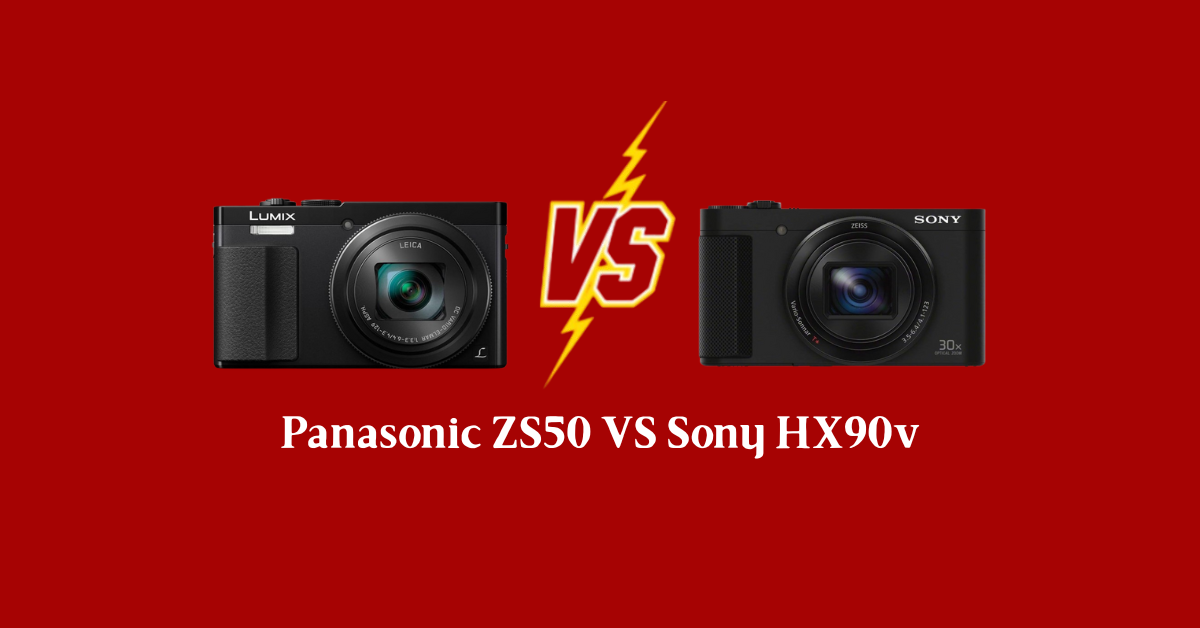
Panasonic ZS50 vs Sony HX90V: Compact Cameras with Big Zoom Power
Compact travel cameras still hold strong appeal for people who want powerful zoom and pocket-sized convenience. The Panasonic ZS50 and Sony HX90V both aim to deliver impressive performance in small bodies.
The Panasonic ZS50 focuses on low-light shooting with its larger pixel sensor and sharp Leica lens, while the HX90V stands out with its pop-up electronic viewfinder and GPS tracking. Each camera balances portability and image quality, making them solid options for travelers who don’t want to rely on smartphones.
The Panasonic model shines in capturing clear, detailed shots in darker environments, while the Sony offers more advanced control and sleek design. Their zoom ranges and user-friendly features make both versatile for everyday photography and vacations.
Exploring their strengths and differences reveals which compact zoom camera better suits your adventures, helping you pack smart without giving up quality.
Panasonic ZS50 vs Sony HX90V: Which Compact Camera Is Best For You?
Compact cameras remain a favorite for travelers and everyday photographers who want more control and quality than a smartphone can offer. Two standout options in this category are the Panasonic Lumix ZS50 and the Sony Cyber-shot HX90V.
Both cameras feature 30x optical zoom lenses, electronic viewfinders, and solid image stabilization—yet they differ in how they handle performance, image processing, and usability. This detailed comparison explores both models in depth. You’ll find their main features, pros and cons, and how they perform side by side. Let’s find out which one fits your needs best.
Panasonic Lumix ZS50
About This Tool
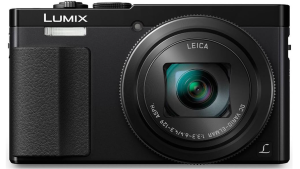
The Panasonic Lumix ZS50 is a compact camera built for travel and everyday photography. It combines a 12.1MP sensor with a 30x Leica optical zoom lens, making it versatile for both landscapes and close-ups. The camera’s strong low-light performance and built-in electronic viewfinder make it a reliable partner in almost any shooting condition.
Features
-
12.1MP MOS Sensor provides clear and detailed images with minimal noise.
-
30x Leica DC Vario-Elmar Lens (24–720mm equivalent) covers wide and distant shots easily.
-
5-Axis Optical Image Stabilization keeps photos and videos sharp, even with hand movement.
-
Built-in Eye Viewfinder helps frame shots clearly under bright sunlight.
-
Full HD 1080p video recording for smooth, high-quality clips.
-
Light Speed Autofocus and 10fps burst shooting for fast-moving subjects.
-
Wi-Fi connectivity allows easy sharing and remote control through your phone.
-
Manual control ring gives users the feel of a DSLR in a smaller body.
What We Like
-
Compact, travel-friendly design that fits easily in a pocket.
-
Sharp Leica lens with excellent color and contrast.
-
Very effective optical stabilization for handheld shots.
-
Good low-light performance despite the small sensor.
-
Customizable control ring makes shooting more intuitive.
What We Didn’t Like
-
Lacks 4K video recording, limited to Full HD.
-
No touchscreen or flip screen for selfies or vlogs.
-
The sensor resolution is lower than many competitors.
-
The menu layout can feel outdated.
My Opinion
The Panasonic ZS50 remains one of the most balanced compact cameras in its class. Its combination of zoom power, optical stabilization, and manual control makes it great for travelers who want more than a smartphone can offer. While it doesn’t shoot 4K, its overall image quality and handling make it dependable for both beginners and experienced users.
Sony Cyber-shot HX90V
About This Tool
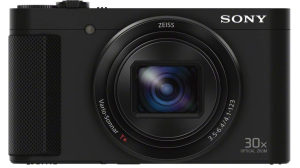
The Sony HX90V is one of the smallest cameras to pack a 30x optical zoom lens. It features an 18.2MP BSI CMOS sensor and a Zeiss Vario-Sonnar T lens, offering clear, colorful photos even in low light. Sony added premium touches such as a retractable electronic viewfinder, tilting LCD, and advanced video recording options—making it an excellent all-around camera for travelers and casual photographers.
Features
-
18.2MP Exmor R CMOS sensor for detailed images and improved low-light performance.
-
30x ZEISS Vario-Sonnar T Lens (24–720mm) delivers sharp images throughout the zoom range.
-
Optical SteadyShot stabilization with 5-axis correction minimizes camera shake.
-
Pop-up OLED Tru-Finder Viewfinder provides bright, accurate framing.
-
180° tilting 3-inch LCD screen for selfies and creative angles.
-
Full HD 1080p video recording with support for XAVC S, AVCHD, and MP4 formats.
-
Built-in GPS and Wi-Fi with NFC for location tagging and wireless sharing.
-
10fps continuous shooting for action and sports photography.
What We Like
-
Lightweight and portable, perfect for on-the-go shooting.
-
Excellent image quality with vivid colors and strong detail.
-
Retractable OLED viewfinder feels premium for this size.
-
Tilting LCD adds flexibility for selfies and vlogging.
-
Built-in GPS automatically tags photo locations.
What We Didn’t Like
-
No RAW image support—limited to JPEG format.
-
Menus can be complex for first-time users.
-
Slightly slower autofocus in very low light.
-
Battery life could be longer for extended travel.
My Opinion
The Sony HX90V is designed for people who want performance, style, and simplicity in one compact package. The combination of a Zeiss lens, GPS, and tilting screen makes it an ideal travel companion. While it lacks RAW shooting, it shines in color accuracy and versatility. The pop-up viewfinder adds an elegant touch, helping it stand out among compact travel cameras.
Detailed Comparison Of Panasonic ZS50 VS Sony HX90V
Both the Panasonic ZS50 and Sony HX90V share a similar design philosophy—portable, powerful, and ready for travel photography. But their strengths differ.
The Panasonic ZS50 focuses on image control and flexibility. Its RAW shooting support allows users to edit photos with more precision, while the Leica lens and manual control ring cater to those who enjoy fine-tuning settings. The low-light performance is reliable, thanks to enhanced sensitivity and strong optical stabilization.
The Sony HX90V, on the other hand, prioritizes convenience and image quality. Its 18.2MP Exmor R sensor produces sharper and more detailed photos straight out of the camera. The tilting LCD is perfect for selfies or low-angle shots—something the ZS50 lacks. Sony also includes GPS tagging, making it great for travelers who want to track their photo locations.
Both models feature 30x optical zoom lenses (24–720mm equivalent), which is excellent for capturing wide landscapes and distant subjects. Yet, the ZS50’s support for RAW files and slightly better manual handling gives it an edge among photography enthusiasts. The HX90V wins for everyday users who prefer simplicity, richer colors, and extra features like NFC and GPS.
In short:
-
ZS50 = Better manual control and RAW shooting.
-
HX90V = Better convenience, color output, and screen flexibility.
FAQs
1. Which camera offers better image quality?
The Sony HX90V produces more detailed images due to its 18.2MP sensor. But the Panasonic ZS50 captures more natural tones and allows RAW editing for advanced adjustments.
2. Which one performs better in low light?
Both handle low light well for compact cameras, though the ZS50’s enhanced sensitivity gives it a slight edge for noise control.
3. Do both have viewfinders?
Yes. Both feature electronic viewfinders that help frame shots clearly in bright outdoor settings.
4. Can they record videos?
Yes. Both cameras record Full HD 1080p video. The HX90V offers more video format options, such as XAVC S and AVCHD, which provide better compression and detail.
5. Does the Sony HX90V shoot in RAW format?
No. The HX90V only supports JPEG files. The ZS50 supports both JPEG and RAW formats.
6. Which is better for travel?
The HX90V is ideal for travelers who want convenience, GPS tagging, and a tilting screen for selfies. The ZS50 suits those who prefer manual control, RAW flexibility, and strong build quality.
7. Do both have Wi-Fi?
Yes. Both cameras include Wi-Fi for wireless sharing. The HX90V also adds NFC for faster connection with smartphones.
8. Which has a better zoom lens?
Both offer a 30x optical zoom that covers the same focal range (24–720mm). The real difference lies in color rendering—Leica lenses on the ZS50 produce warmer tones, while Sony’s Zeiss lens delivers brighter and punchier images.
Conclusion
Both the Panasonic Lumix ZS50 and the Sony Cyber-shot HX90V pack serious performance into small bodies. Each has its unique strengths.
The Panasonic ZS50 stands out for users who love control and image editing flexibility. Its RAW shooting, optical stabilization, and intuitive control ring make it a strong tool for those who want DSLR-like control in a compact form.
The Sony HX90V excels in ease of use and travel-friendly features. The tilting screen, GPS, and Zeiss lens create an excellent experience for people who want sharp photos without deep manual adjustments.
In simple terms:
-
Pick the Panasonic ZS50 for manual control, RAW editing, and natural image tones.
-
Pick the Sony HX90V for everyday shooting, better interface, and location-based photography.
Both are compact, capable, and ready for adventure. The choice depends on what kind of photographer you are—the creative editor or the easygoing traveler.