Makita DC18RC vs DC18SD: Which Charger Keeps You Working Smarter?
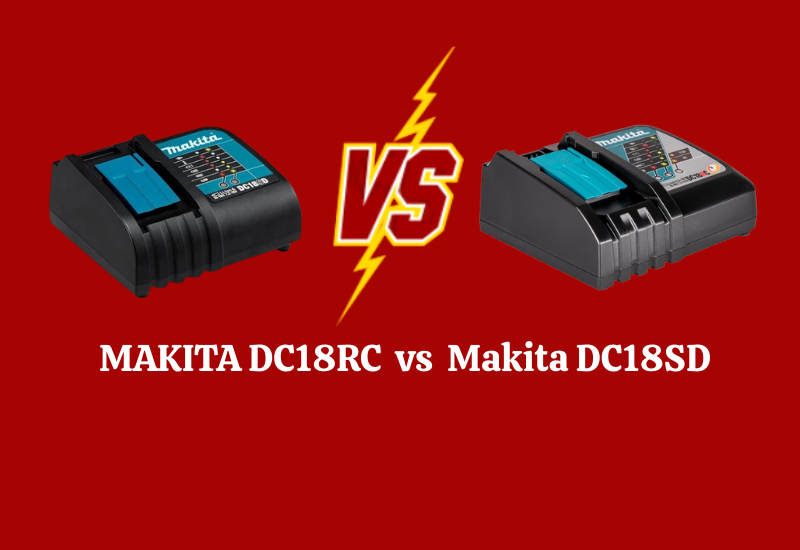
Makita’s DC18RC and DC18SD chargers both power the popular 18V LXT battery platform, yet they serve users with very different needs. The DC18RC stands out with its rapid charging capability, built-in cooling fan, and smart charging technology that gets batteries back in action in a fraction of the time.
The DC18SD offers a slower, steadier approach that protects battery life while still delivering reliable performance for everyday use. Professionals often lean toward the DC18RC to keep productivity high on demanding jobsites, while casual users appreciate the DC18SD for its simplicity and lower cost.
Both chargers support the same range of lithium-ion batteries, but the difference in speed and technology directly impacts workflow and efficiency. Understanding how each model performs in real situations helps users invest wisely in a charging solution that fits their tools, their pace of work, and their long-term battery care strategy.
Makita DC18RC vs DC18SD – Full Comparison
Power tools are only as useful as the batteries that keep them running. A good charger makes a big difference. It helps batteries charge faster, stay cool, and last longer. Makita has built a strong name in cordless tools, and their chargers are some of the most trusted in the market. Two of the most common models are the Makita DC18RC and the Makita DC18SD.
Both are made for 7.2V to 18V Lithium-Ion batteries. Both give safe charging and protect the battery from damage. Still, they are not the same. One is fast and designed for heavy use. The other is simple, affordable, and good for light users. Let’s break them down step by step.
Makita DC18RC
About This Tool
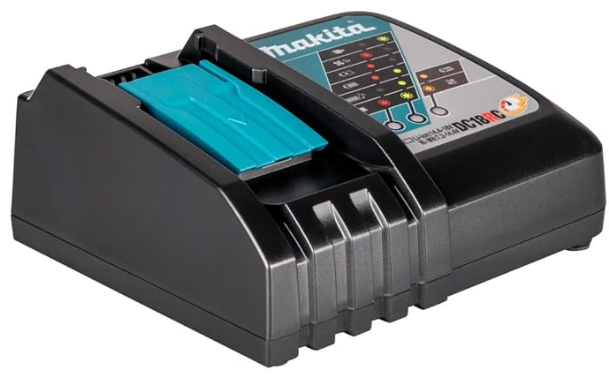
The Makita DC18RC is a rapid charger made for people who need speed and reliability. It is widely used by professionals who work with tools every day. Its fan system keeps the battery cool while charging, which is one of its strongest features.
Features
-
Works with 7.2V to 18V Makita Lithium-Ion batteries
-
Charges an 18V 3.0Ah battery in just 30 minutes
-
Charges an 18V 4.0Ah battery in about 40 minutes
-
Built-in fan keeps the battery cool while charging
-
Communicates with the battery chip to control current, voltage, and temperature
-
Compact size: 9.21″ x 6.69″ x 3.31″
-
Lightweight at 1.9 pounds
-
UL-certified for safe charging
What We Like
-
Fast charging speed saves a lot of time
-
Cooling fan prevents overheating and stress on the battery
-
Smart technology protects battery life
-
Strong build quality that feels durable
-
Compact and portable design
What We Didn’t Like
-
Slightly more expensive than the DC18SD
-
Cooling fan can make a soft noise during charging
My Opinion
The DC18RC is a perfect match for people who use tools many hours a day. Its fast charge time and cooling system keep work moving without delays. For anyone who values speed and long battery health, this charger is worth it.
Makita DC18SD
Product Details
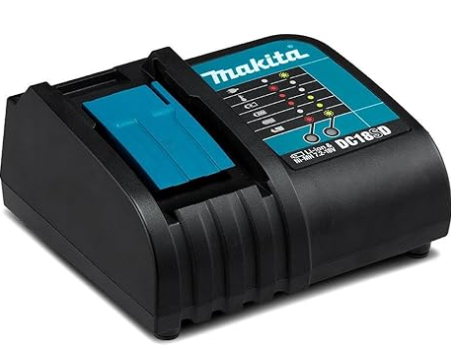
The Makita DC18SD is a standard charger. It is made for people who don’t need very fast charging. It is simpler, smaller, and usually less expensive than the DC18RC.
Features
-
Works with Makita 7.2V–18V Lithium-Ion batteries
-
Charges an 18V 3.0Ah battery in 60 minutes
-
CPU inside reads the battery’s memory chip for safe charging
-
Digital display shows charge level: below 80%, above 80%, or full
-
Small and lightweight: 8.86″ x 4.13″ x 2.17″, 1.97 pounds
-
Affordable price compared to the DC18RC
What We Like
-
Lower price makes it budget-friendly
-
Easy to use with clear digital display
-
Safe charging with smart control of current and temperature
-
Compact size and lighter design
What We Didn’t Like
-
Charging speed is slow compared to DC18RC
-
No built-in fan, so batteries may heat up during long use
-
Not the best option for professionals with high work demand
My Opinion
The DC18SD is a great choice for casual or home use. It charges safely, shows battery condition clearly, and costs less. If you don’t mind waiting longer for batteries to charge, this charger will serve well.
Detailed Comparison OF Makita DC18RC vs Makita DC18SD
The biggest difference is charging speed. The DC18RC takes only 30 minutes to charge a 3.0Ah battery, while the DC18SD takes around 60 minutes. That is double the time. For people who need tools ready all the time, this difference is important.
The DC18RC also has a built-in cooling fan, which is not found in the DC18SD. The fan helps keep the battery cool and prevents overheating. This makes batteries last longer, especially if they are charged several times a day.
The DC18SD has a digital power display that shows charge progress. The DC18RC does not have this display. Some people may find the display helpful, while others prefer faster charging. In size and weight, both are compact. The DC18SD is a little smaller, but the difference is not huge.
For professionals, contractors, and people who use tools daily, the DC18RC is clearly the stronger option. For hobbyists, homeowners, and light users, the DC18SD is a good balance of price and performance.
FAQs
Q1: Can both chargers work with 14.4V batteries?
Yes, both support 14.4V and 18V Makita Lithium-Ion batteries.
Q2: Does the DC18RC really charge twice as fast?
Yes, it charges most batteries in about half the time of the DC18SD.
Q3: Which charger keeps batteries healthier?
Both protect the battery, but the DC18RC is better because of its fan cooling system.
Q4: Do these chargers come with a battery included?
No, both are sold as chargers only. Batteries are separate.
Q5: Can the DC18SD be used for professional work?
It can, but it will slow you down if you need fast charging every day.
Conclusion
The Makita DC18RC and DC18SD both do their job well, but they serve different users. The DC18RC is fast, smart, and has a cooling fan that makes it perfect for professionals. It keeps work flowing with little downtime.
The DC18SD is slower but safe, simple, and affordable, making it best for home users or people who don’t need to charge often. If you value speed and work daily with power tools, the DC18RC is the right pick. If you use tools occasionally and want a safe, budget-friendly option, the DC18SD will be enough.