5 Best Pull Saws for Woodworking That Deliver Clean and Precise Cuts
Woodworking projects demand accuracy, control, and tools that produce clean results. A quality pull saw helps craftsmen achieve smooth cuts with less effort than many traditional push saws. Japanese-style pull saws cut on the pull stroke, which improves precision and reduces blade flex during use.
Many woodworkers rely on pull saws for detailed joinery, trimming, crosscuts, and fine finishing work. Sharp teeth, comfortable handles, and durable blade materials separate great models from average ones. The right saw can improve cut quality and make woodworking tasks more enjoyable from start to finish.
This guide explores the 5 best pull saws for woodworking based on performance, ease of use, durability, and overall value. Each option offers unique strengths that suit different skill levels and project types. A dependable pull saw can help you tackle everything from simple home projects to advanced furniture-building tasks with confidence and accuracy.
5 Best Pull Saws For Woodworking
| Image | Title | Best For | Link |
|---|---|---|---|
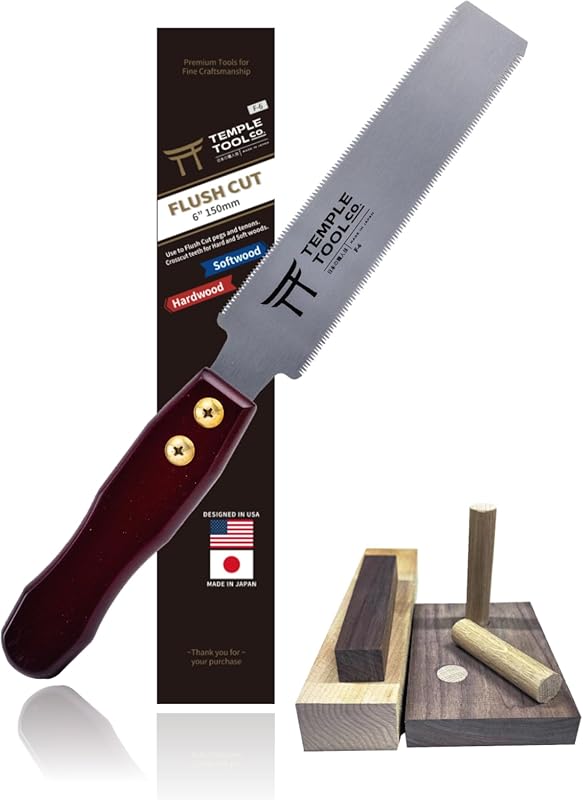 |
Temple Tool Co. Flush Cut Saw | Perfect for flush cutting dowels and trim work without damaging surrounding surfaces. | View on Amazon |
 |
SUIZAN Ryoba Double Edge Saw | An all-purpose workhorse for both ripping and crosscutting hardwoods and softwoods. | View on Amazon |
 |
Japanese 10 Inch Pull Saw | Versatile, budget-friendly option with a flexible blade for tight spaces. | View on Amazon |
 |
Temple Tool Co. Ryoba Saw | Ideal for professional joinery tasks like dovetails and tenon cuts. | View on Amazon |
 |
SUIZAN Flush Cut Saw | A compact, reliable tool for detailed trim work and fine furniture adjustments. | View on Amazon |
Our Top 5 Best Pull Saws For Woodworking Reviews – Expert Tested & Recommended
1. Temple Tool Co. 6 Inch Japanese Flush Cut Pull Saw
This compact flush cut pull saw is a game-changer for those final, delicate touches on a project. Its flexible, thin blade is specifically designed to sit flat against a surface, making it incredibly easy to trim pegs, dowels, or protruding tenons without marring the surrounding wood.
Key Features That Stand Out
- ✓ Flexible blade allows for perfectly flush cuts
- ✓ Beautiful Beech wood handle with classic brass accents
- ✓ Razor-sharp teeth for effortless manual cutting
- ✓ Narrow kerf design minimizes material waste
Why We Recommend It
The build quality of this saw is truly impressive for the price. It feels balanced in the hand, and the ability to flex the blade makes it the go-to tool for high-end furniture makers and DIY enthusiasts alike.
Best For
This tool is the ultimate choice for clean, scratch-free flush trimming on dowels, tenons, and trim.
Pros and Cons at a Glance
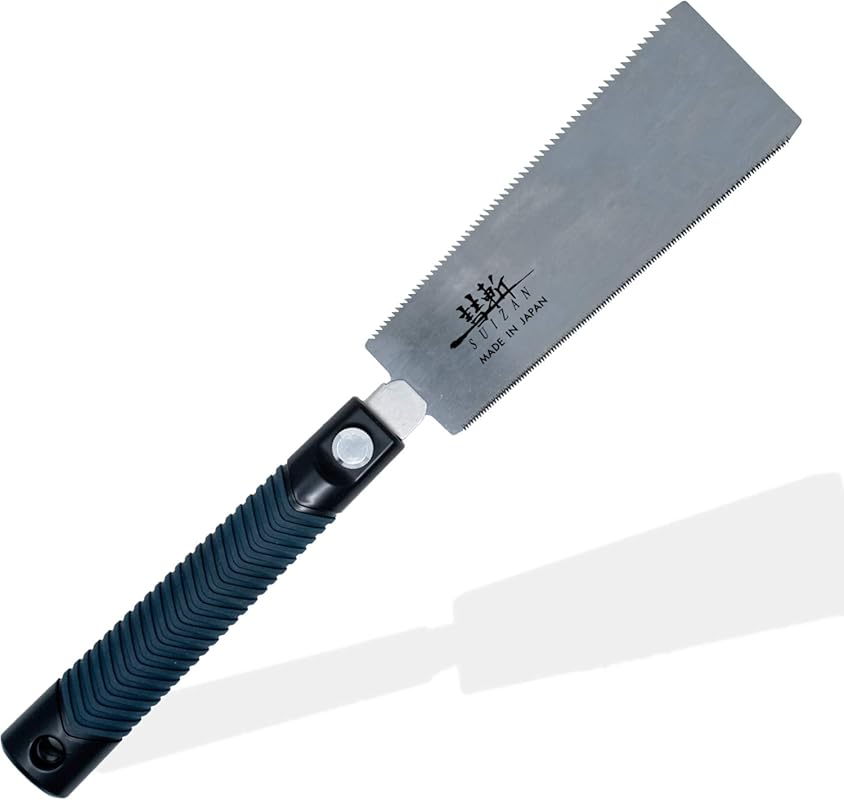
2. SUIZAN 7 Inch Ryoba Double Edge Japanese Pull Saw
If you only buy one hand saw, the Ryoba is the one you want. This double-edged tool features rip teeth on one side for cutting along the grain and crosscut teeth on the other, making it incredibly versatile for almost any woodworking task.
Key Features That Stand Out
- ✓ Double-edged design handles both rip and crosscuts
- ✓ Authentic high-quality Japanese steel construction
- ✓ Manufactured in Japan by master craftsmen
- ✓ Exceptionally sharp teeth for clean results
Why We Recommend It
SUIZAN has become a gold standard in woodworking circles, and this model shows exactly why. It offers a smooth cutting experience that traditional Western push saws simply cannot replicate, especially in hardwoods.
Best For
Versatile, everyday use in the shop for general joinery and board preparation.
Pros and Cons at a Glance
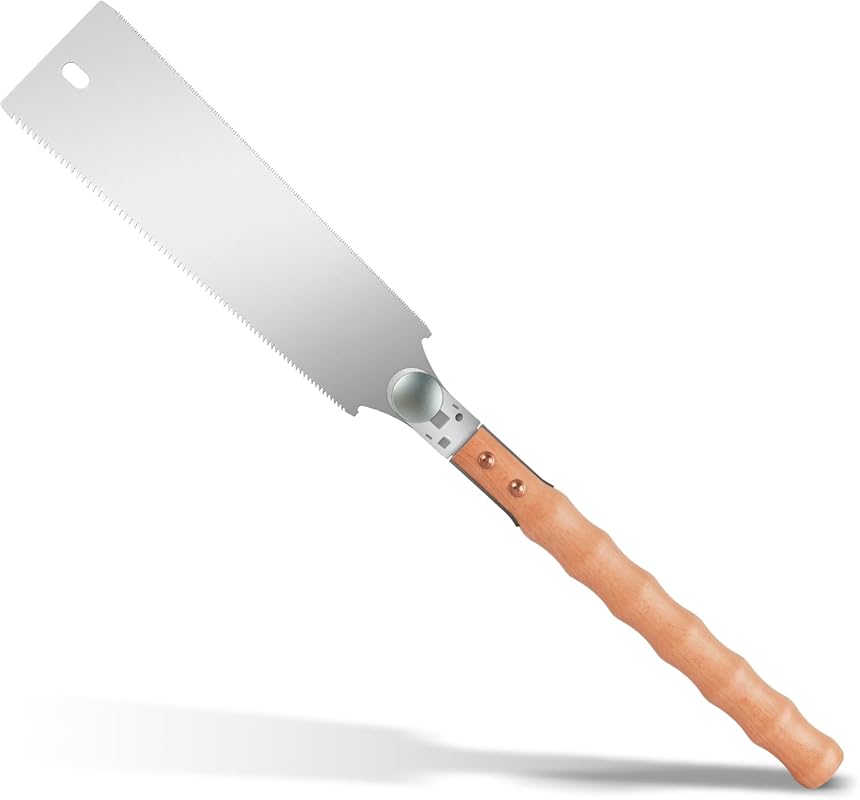
3. Japanese 10 Inch Pull Saw
If you are looking to get into Japanese-style saws without breaking the bank, this 10-inch pull saw is an excellent starting point. It uses premium SK5 steel and features a comfortable, ergonomic bamboo-styled handle.
Key Features That Stand Out
- ✓ Double-edged (6-10 TPI and fine teeth)
- ✓ Replaceable blade design for long-term use
- ✓ SK5 steel treated for rust resistance and durability
- ✓ Comfortable non-slip handle for better control
Why We Recommend It
For the price, you get an impressive level of performance. It handles various materials with ease, and the replaceable blade system ensures that you don’t have to throw the whole tool away once the teeth eventually dull.
Best For
Budget-conscious hobbyists who want a versatile tool for general workshop use.
Pros and Cons at a Glance
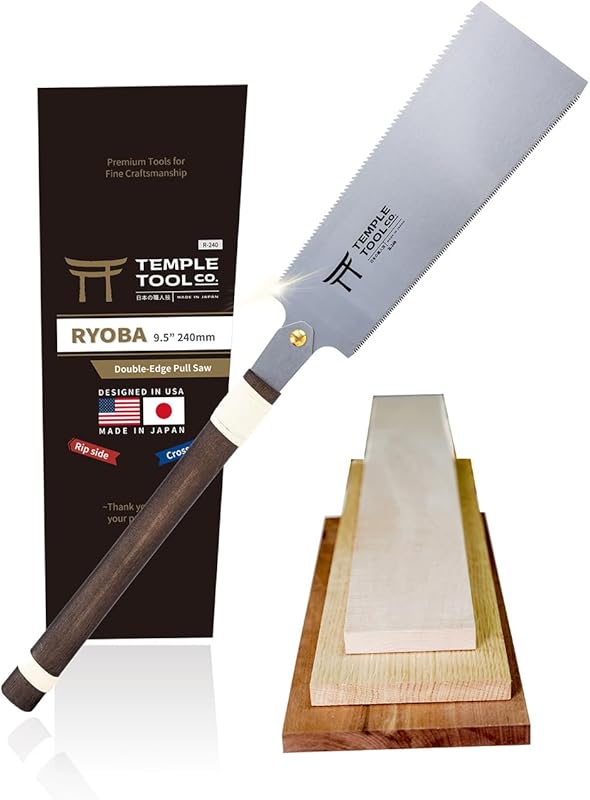
4. Temple Tool Co. 9.5 Inch Ryoba Hand Saw
This is a professional-grade Ryoba saw designed for demanding tasks like dovetail and tenon joinery. It features a beautiful Wingnut wood handle that balances durability with a premium feel.
Key Features That Stand Out
- ✓ Double-edged for rip and crosscutting efficiency
- ✓ Premium Wingnut handle with brass hardware
- ✓ Exceptionally thin kerf for precise, tight joints
- ✓ Lightweight design reduces hand fatigue
Why We Recommend It
This saw feels like an heirloom tool. It cuts smoothly and accurately, making it the perfect choice for woodworkers who prioritize quality joinery and craftsmanship in their projects.
Best For
Professionals and serious hobbyists focusing on intricate joinery like dovetails and mortise-and-tenon work.
Pros and Cons at a Glance
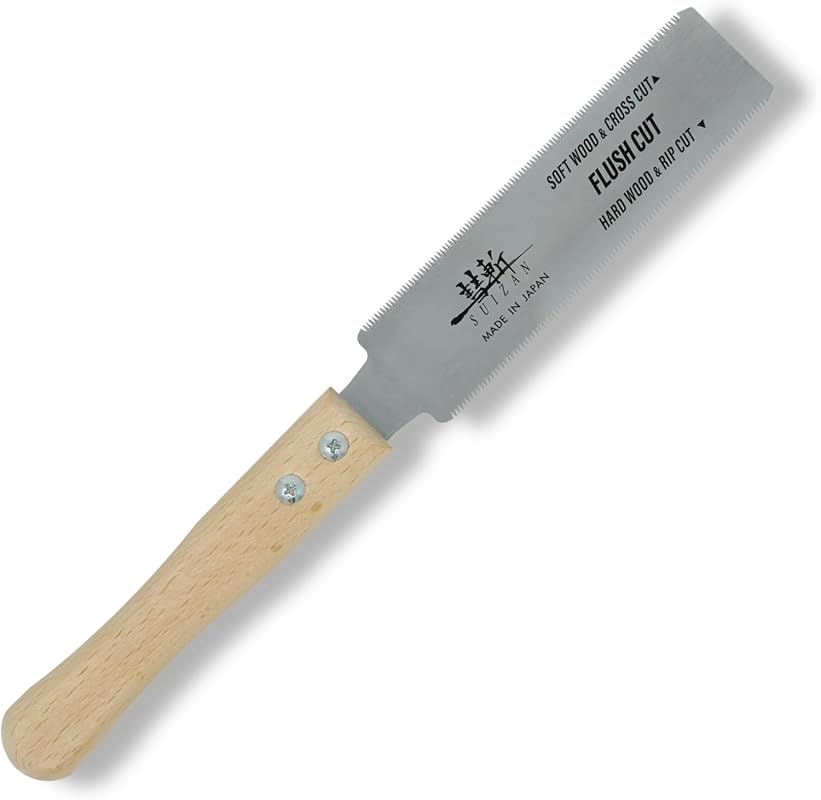
5. SUIZAN 6 Inch Professional Japanese Flush Cut Pull Saw
Sometimes you need a tool that can get into tight spots. This 6-inch flush cut saw by SUIZAN is perfect for detail work where full-sized saws just won’t fit.
Key Features That Stand Out
- ✓ Compact 6-inch blade for extreme maneuverability
- ✓ Made in Japan with high-grade, sharp steel
- ✓ Ideal for delicate trim and fine furniture details
- ✓ Flexible blade for flush cutting without surface damage
Why We Recommend It
SUIZAN consistently produces saws that are a joy to use. This model is no exception, offering incredible accuracy in a compact package that should be in every finisher’s toolbox.
Best For
Detailed trim work, furniture adjustments, and getting into confined areas where precision is paramount.
Pros and Cons at a Glance
Complete Buying Guide for Best Pull Saws For Woodworking
Essential Factors We Consider
When selecting a pull saw, look for the tooth count (TPI) and the type of saw. A higher TPI (teeth per inch) is better for fine, smooth cuts, while lower TPI is faster for removing more material. Also, check the blade thickness; a thinner blade creates a smaller kerf but requires a steadier hand. Finally, consider if you need a Ryoba (two-sided) for general work or a specialized flush-cut saw for final trim tasks.
Budget Planning
Good pull saws are available across a wide price range. Beginners can find capable options with replaceable blades for a very reasonable price. As you move into professional-grade tools, you are paying for higher quality steel, longer-lasting edges, and superior handle materials like hardwood and brass, which provide better ergonomics and durability over years of regular use.
Final Thoughts
Switching to a pull saw can completely transform your woodworking experience. The precision and ease of use are simply unmatched by push saws, making it easier to achieve professional-level results in your own shop. Whether you start with a versatile Ryoba or a specialized flush-cut saw, your craftsmanship will undoubtedly improve.
Frequently Asked Questions
Q: What is the main difference between a push saw and a pull saw?
A: A Western-style push saw cuts as you push the blade away from you, which requires a thicker, stiffer blade. A Japanese-style pull saw cuts as you pull the blade toward you, allowing the blade to be thinner, lighter, and more flexible for precision.
Q: How do I keep my pull saw from rusting?
A: Japanese steel is often high-carbon and prone to rust if left in damp conditions. Wipe the blade with a light coat of camellia oil or a simple tool wax after each use, and store it in a dry environment.
Q: Can I sharpen a Japanese pull saw myself?
A: While possible, it is quite difficult because the teeth are often impulse-hardened and very small. Most woodworkers prefer to buy saws with replaceable blades or simply replace the blade once it becomes dull rather than attempting to sharpen it by hand.
Q: Is a pull saw safe for beginners?
A: Yes, in many ways, they are safer. Because the saw is under tension on the pull stroke, it is less likely to buckle or kick back. However, the teeth are extremely sharp, so always keep your fingers away from the cutting path.