Ryobi 18V vs 40V Leaf Blower: Which One Powers Your Yard Best?
A neat and debris-free yard always feels refreshing, and the right leaf blower makes that job effortless. Ryobi stands out with its cordless options, giving homeowners a choice between the compact 18V system and the more powerful 40V lineup.
Both models share Ryobi’s trusted design and ease of use, but they serve very different needs. The 18V leaf blower caters to quick cleanups, lighter tasks, and smaller outdoor spaces, delivering solid performance without the bulk.
The 40V option, on the other hand, brings muscle to the table, handling large yards, heavy piles of leaves, and tougher conditions with extended run time. Choosing between these two depends on the size of the property, the volume of yard debris, and how much power you demand.
This comparison highlights key differences in performance, battery life, weight, and usability to help you decide which Ryobi leaf blower deserves a spot in your garage.
Ryobi 18V vs 40V Leaf Blower: Which One Fits Your Yard?
Yard work can be tiring, especially when leaves pile up on driveways, patios, and lawns. A good leaf blower makes the task faster and easier. Ryobi has two popular cordless options: the Ryobi 18V ONE+ blower and the Ryobi 40V jet fan blower. Both tools are reliable, but they serve different types of users.
The 18V model is compact and light, perfect for small cleanups. The 40V model is stronger and better for bigger yards with heavy leaves. Choosing between them depends on how much power you need and how often you plan to use the blower. Let’s go through each one in detail.
Ryobi 18V Leaf Blower
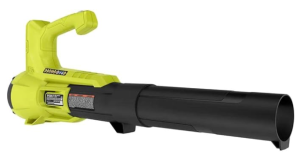
About This Tool
The Ryobi 18V ONE+ blower is part of the well-known ONE+ family. This system uses the same batteries across more than 260 tools. If you already own Ryobi power tools, this blower can fit right in. Its small size makes it handy for quick jobs around the home. It runs quietly and does not need gas or oil, which keeps maintenance simple.
Features
-
Air speed: 90 MPH
-
Air volume: 250 CFM
-
Works with all Ryobi 18V ONE+ lithium batteries
-
Compact size and only 6 pounds in weight
-
Designed for hard surfaces like patios, sidewalks, and driveways
-
Easy to carry and operate
-
Sold as tool only (battery and charger not included)
What We Like
-
Lightweight and comfortable for longer use
-
Easy storage because of its small size
-
Affordable and budget-friendly option
-
Compatible with many Ryobi ONE+ batteries and chargers
-
No gas, oil, or major upkeep needed
What We Didn’t Like
-
Less powerful for large yards
-
May struggle with wet or thick leaves
-
Battery must be purchased separately
-
Shorter runtime with smaller batteries
My Opinion
The 18V blower is best for people who want something light and simple. It’s great for small homes, patios, or anyone who needs quick cleanups. It won’t handle tough yard work, but it makes daily tasks easier without adding weight or cost.
Ryobi 40V Leaf Blower
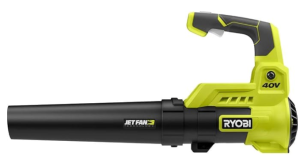
Product Details
The Ryobi 40V jet fan blower belongs to Ryobi’s high-power outdoor system. It is built for bigger tasks and has the strength to clear larger spaces quickly. With 110 MPH speed and 525 CFM air volume, it can push heavy or damp leaves with less effort. It’s heavier than the 18V, but the extra power makes up for it.
Features
-
Air speed: 110 MPH
-
Air volume: 525 CFM
-
Runs on Ryobi 40V lithium-ion batteries
-
Jet fan design for better airflow
-
Variable speed trigger for more control
-
Weighs 8 pounds
-
Tool only (battery and charger not included)
What We Like
-
High airflow handles bigger piles of leaves
-
Works well on wet or heavy debris
-
Longer runtime with larger 40V batteries
-
Adjustable speed for different tasks
-
Suitable for medium to large yards
What We Didn’t Like
-
Heavier than the 18V model
-
Higher price compared to entry-level blowers
-
Batteries and charger sold separately add extra cost
-
Can be louder than smaller blowers
My Opinion
The 40V blower is for people with bigger yards or heavier cleanup needs. It may cost more and weigh more, but the performance is worth it if you deal with large piles of leaves each season. If you want faster cleanup and stronger airflow, this model is a better fit.
Detailed Comparison: Ryobi 18V vs 40V Leaf Blower
Both blowers are cordless, easy to use, and good for everyday yard work. The difference lies in power and capacity. The 18V blower is like a light-duty helper. It’s light, compact, and perfect for quick cleanups. It’s best for homeowners with small yards, patios, or those who already own Ryobi ONE+ batteries.
The 40V blower, on the other hand, is built for bigger jobs. It pushes out more than double the airflow of the 18V, making it faster and more effective for large yards or heavy leaves. It costs more, but it saves time and effort during peak seasons like fall.
In short:
-
Small yards or light tasks? Go for the 18V.
-
Big yards and heavy leaves? The 40V is a better match.
FAQs
Q1. Can I use the same batteries for both blowers?
No. The 18V and 40V systems are different. Each blower only works with its own battery line.
Q2. Which one is easier to carry?
The 18V blower is lighter at 6 pounds. The 40V is 8 pounds, which may feel heavier over long use.
Q3. Do they come with batteries?
Both are sold as tool-only models. You need to buy the battery and charger separately unless you already own them.
Q4. Which blower works better on wet leaves?
The 40V blower is much better for wet or heavy leaves because of its higher CFM and speed.
Q5. Which blower lasts longer per charge?
The 40V blower usually gives longer runtime since the batteries have more capacity.
Q6. Are both good for beginners?
Yes, but the 18V blower is easier to handle for first-time users because it’s lighter and simpler.
Conclusion
The Ryobi 18V blower is light, affordable, and perfect for small jobs. It fits well for patios, driveways, and light yard work. The Ryobi 40V blower is stronger, with more airflow and speed, making it ideal for larger yards and tougher cleanup.
Both are cordless, eco-friendly, and low-maintenance, but the best choice depends on your yard size and the type of work you do. For small and quick jobs, pick the 18V. For bigger yards and tougher debris, choose the 40V.