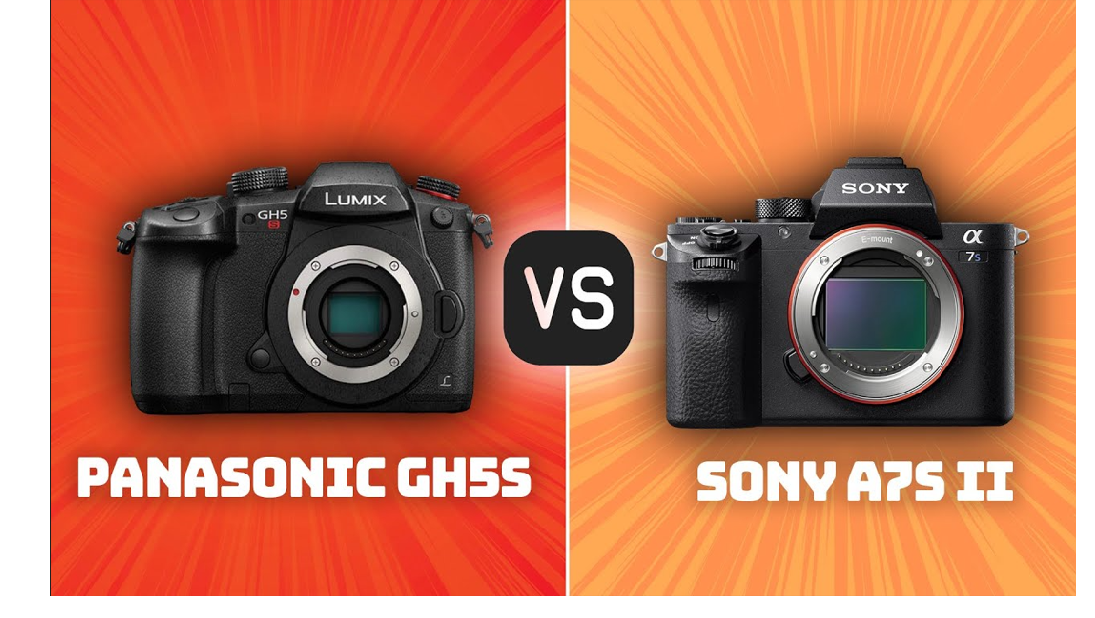
Panasonic GH5S vs Sony A7S II: Low-Light Video Titans Face Off
Panasonic GH5S and Sony A7S II clash in a battle that serves filmmakers who chase clean low light and cinematic control. Both cameras target serious video creators, yet each brand follows a very different philosophy.
Panasonic pushes internal codecs, pro video tools, and rock-solid reliability for long shoots. Sony focuses on full-frame depth, extreme sensitivity, and a compact hybrid design that favors run-and-gun work.
Specs alone never tell the full story, so real-world performance matters more than charts. Sensor size, color science, autofocus behavior, and workflow speed shape daily shooting decisions.
Battery life, lens ecosystems, and heat handling also influence long sessions on set or in the field. This comparison breaks down strengths, weaknesses, and practical advantages without hype.
Video shooters, vloggers, and indie filmmakers can see which camera fits their style, budget, and creative goals. Clear differences emerge once both models step beyond marketing claims and into production scenarios.
Panasonic GH5S vs Sony A7S II- A Clear and Deep Comparison
Video cameras matter more than ever. Content creators need clean footage. Low light matters. Color control matters. Reliability matters.
Panasonic GH5S and Sony A7S II sit in the same serious video space. Both cameras target filmmakers and advanced users. Both focus on video more than photos. Still, their approach feels very different.
Panasonic GH5S follows a cinema-first design. Sony A7S II focuses on full-frame low-light power. This article explains every part in clear language. No hype. No confusion. Just facts and real-world use.
Panasonic GH5S
Panasonic GH5S is a professional mirrorless camera built for video work. The body feels solid and heavy. Magnesium alloy construction gives confidence. Weather sealing protects the camera in harsh conditions. Panasonic designed this model for filmmakers who need control and reliability.
Product Details
GH5S uses a 10.2-megapixel Micro Four Thirds MOS sensor. Pixel size stays large for better light capture. The camera supports RAW files. Aspect ratio stays at 16:9, built mainly for video.
Micro Four Thirds lens mount gives access to many lenses. Panasonic and Leica lenses work well here. The camera uses digital, dynamic, and hybrid stabilization methods. No sensor-shift stabilization exists inside the body.
Expanded ISO starts at 90. Dual Native ISO technology helps reduce noise. Metering options include multi, center-weighted, and spot. Optical zoom stays at 1x, since this is an interchangeable lens camera.
Features
GH5S focuses heavily on video performance. Internal recording supports Cinema 4K and standard 4K. The camera records unlimited video time. Heat does not stop recording. Long interviews feel safe.
10-bit 4:2:2 internal recording comes built in. Color depth stays high. Color grading feels easier. Footage holds detail in shadows and highlights.
Dual Native ISO changes how low light works. Noise stays controlled at high ISO levels. Dark scenes look cleaner than many cameras in this class.
High frame rate recording reaches up to 240fps in Full HD. Slow motion looks smooth. Action scenes benefit from this feature.
Anamorphic video mode supports cinematic workflows. Professional exposure tools come included. Waveform monitor. Vector scope. Zebra patterns. Time code sync.
Connectivity stays strong. Full-size HDMI port feels reliable. USB-C 3.1 allows fast data transfer. Mic and headphone jacks support audio monitoring. Dual SD card slots add safety during recording.
The electronic viewfinder uses a high-resolution OLED panel. Bright sunlight does not cause problems. The image looks sharp and accurate.
What We Like
Video quality stands out. Unlimited recording helps professionals. Dual Native ISO performs well in low light. 10-bit internal recording saves time and money. Color profiles like V-Log L help grading. Build quality feels strong. Ports cover professional needs. Dual card slots improve reliability.
Menu layout feels logical for video users. Exposure tools help precision. Weather sealing adds confidence during outdoor shoots.
What We Didn’t Like
Photo resolution feels low for photography. No in-body sensor stabilization limits handheld shooting. Autofocus performance lags behind rivals. Contrast-based AF struggles with fast movement. Micro Four Thirds sensor limits depth of field compared to full frame.
Price feels high for users focused only on photos. Size and weight may feel heavy for casual users.
My Opinion
Panasonic GH5S suits serious video creators. Film projects benefit the most. Controlled environments work best. Manual focus users will feel comfortable. This camera shines during long shoots. Hybrid shooters may want a different option.
Sony A7S II
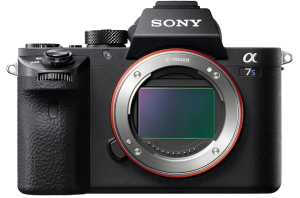
Sony A7S II built its reputation on low light. The camera uses a full-frame sensor. Sony designed this model for filmmakers and photographers who work in dark scenes. Compact body keeps weight manageable.
Product Details
A7S II uses a 12.2-megapixel full-frame CMOS sensor. Large sensor size helps light capture. The camera supports RAW and JPEG files. Aspect ratios include 16:9, 3:2, 4:3, and 1:1.
Sony E-mount allows access to many lenses. Full-frame lenses deliver shallow depth of field. Optical image stabilization works across five axes.
Expanded ISO starts at 80. Maximum ISO reaches extremely high values. Metering options include multi, center-weighted, and spot. Optical zoom stays at 1x due to interchangeable lenses.
Features
A7S II records internal 4K video. Full-frame sensor helps produce clean footage. Low light performance remains one of the strongest points. Noise stays low even at high ISO levels.
5-axis in-body image stabilization reduces shake. Handheld shooting feels smoother. This helps run-and-gun filmmakers.
Fast Hybrid autofocus improves focus speed. Face detection works reliably. Continuous AF performs better than older Sony models.
Full HD recording supports 120 frames per second. Slow motion looks clean. Sony color profiles include S-Log and S-Gamut. Dynamic range improves during grading.
The BIONZ X image processor handles noise reduction and detail well. Clear Image Zoom allows digital zoom with minimal quality loss.
The electronic viewfinder provides clear framing. The rear LCD displays accurate color. Battery system uses NP-FW50 batteries.
What We Like
Low light performance stands out. Full-frame sensor delivers shallow depth of field. In-body stabilization helps handheld work. Autofocus feels faster than Panasonic GH5S. Compact body suits travel. Lens selection remains strong.
Video quality stays clean in dark environments. Color profiles support professional workflows.
What We Didn’t Like
Battery life feels weak. Long shoots require extra batteries. 8-bit internal recording limits color grading. Overheating may appear during long 4K sessions. Menu system feels complex. Single card slot increases risk.
Ports feel less professional than GH5S. HDMI port stays smaller and fragile.
My Opinion
Sony A7S II suits low-light shooters. Event filmmakers will appreciate its sensor. Hybrid shooters gain photo and video flexibility. Long recording sessions may cause concern. Color grading professionals may want higher bit depth.
Detailed Comparison Between Panasonic GH5S and Sony A7S II
Both cameras focus on video. Their strengths differ clearly. Panasonic GH5S targets cinema workflows. Sony A7S II targets low-light versatility.
GH5S records unlimited video. A7S II may overheat during long sessions. GH5S supports 10-bit internal recording. A7S II records 8-bit internally.
Sony uses a full-frame sensor. Panasonic uses Micro Four Thirds. Sony delivers shallower depth of field. Panasonic delivers deeper focus and easier lens handling.
Autofocus favors Sony. Panasonic relies more on manual focus. Stabilization favors Sony due to sensor-shift IBIS. Panasonic requires stabilized lenses or rigs.
Ports and connectivity favor Panasonic. Dual SD slots improve safety. Sony uses one card slot only.
Video Quality Comparison
Panasonic GH5S delivers cinema-ready footage. Color depth stays rich. Dynamic range looks wide. Log profiles help grading.
Sony A7S II delivers clean footage in low light. Noise control stays impressive. Color grading flexibility remains limited due to 8-bit depth.
Studio work favors Panasonic. Event and night work favors Sony.
Low Light Performance
Sony A7S II dominates low light. Full-frame sensor captures more light. High ISO remains usable.
Panasonic GH5S performs well due to Dual Native ISO. Noise stays controlled. Full-frame still wins overall.
Autofocus and Handling
Sony autofocus works faster. Face tracking helps solo shooters. Panasonic autofocus feels slower and less reliable.
Panasonic controls feel better for video. Buttons and dials feel placed for professionals.
Lens Ecosystem
Micro Four Thirds lenses stay smaller and lighter. Sony full-frame lenses feel larger and heavier.
Budget-conscious users may prefer Panasonic lenses. Depth-of-field lovers may prefer Sony lenses.
FAQs
Which camera works better for filmmaking?
Panasonic GH5S suits professional filmmaking due to unlimited recording and 10-bit video.
Which camera performs better in low light?
Sony A7S II performs better in very dark environments.
Does Panasonic GH5S have in-body stabilization?
No. Panasonic GH5S does not include sensor-shift stabilization.
Can Sony A7S II record 10-bit video internally?
No. Sony A7S II records 8-bit internally.
Which camera suits hybrid photo and video users?
Sony A7S II suits hybrid shooters better.
Which camera feels more reliable for long shoots?
Panasonic GH5S feels more reliable for long recording sessions.
Conclusion
Panasonic GH5S and Sony A7S II serve different creators. Panasonic focuses on cinema features, reliability, and color depth. Sony focuses on low light, sensor size, and versatility.
Panasonic GH5S fits filmmakers who plan long shoots and heavy grading. Sony A7S II fits creators who work in dark environments and need fast autofocus.
Clear priorities make the choice easier. Both cameras deliver strong video performance in the right hands.