Are DeWalt Batteries Interchangeable?
Many tool owners face the same problem. Batteries cost a lot. Chargers take space. Tools stop working when power runs out. One clear question appears again and again. Are DeWalt batteries interchangeable?
This question matters for every DeWalt user. Homeowners want fewer batteries. Professionals want faster work with less downtime. Wrong battery choices waste money and damage tools.
DeWalt builds many battery systems. Some batteries work across many tools. Some batteries work only in one group. Voltage, shape, and electronics control everything.
This article explains the full picture in simple words. Short sentences help understanding. Real use examples make ideas clear. Each section goes deeper than basic answers. The goal stays simple. Safe use. Smart buying. Long tool life.
Table of Contents
ToggleHow DeWalt Designs Battery Systems

Platform-Based Tool Design
DeWalt does not design tools at random. Engineers group tools into platforms. Each platform uses one battery design.
A platform includes three key parts:
-
Battery shape
-
Voltage range
-
Electronic control system
Every tool inside one platform follows the same rules.
This system protects users. It also keeps tools working as planned.
Main DeWalt Battery Platforms
DeWalt uses several main platforms today.
The most common platforms include:
-
12V MAX
-
FLEXVOLT 60V
-
120V FLEXVOLT
Each platform serves a different type of work. Small jobs need less power. Heavy jobs need more power.
Battery interchangeability depends fully on platform match.
Voltage and Why It Matters So Much
Voltage Controls Power Flow
Voltage measures electrical pressure. Tools need the correct pressure to work right.
Each DeWalt tool expects a fixed voltage range. Electronics inside the tool manage current flow.
Wrong voltage causes serious trouble.
Low Voltage Problems
Low voltage creates weak power. Motors struggle to turn. Heat builds up fast.
Poor performance frustrates users. Tool life shortens.
High Voltage Dangers
High voltage causes bigger risks. Electronics fail fast. Motors burn. Safety circuits shut tools down.
DeWalt designs battery rails to block wrong voltage use. Physical barriers prevent many mistakes.
DeWalt 20V MAX System Explained in Full

Backbone of the DeWalt Lineup
The 20V MAX platform forms the heart of DeWalt cordless tools. Hundreds of tools use this system.
Common tool types include:
-
Drills
-
Impact drivers
-
Circular saws
-
Reciprocating saws
-
Angle grinders
-
Sanders
-
Lights
-
Blowers
-
Nailers
Every 20V MAX tool accepts every 20V MAX battery.
Battery Connection Design
All 20V MAX batteries use the same slide-on rails. Electrical contacts sit in the same location.
This design ensures full interchangeability.
A battery clicks in place. The tool recognizes it instantly.
Battery Capacity and Runtime
Battery capacity shows how long a tool runs. Capacity uses amp-hours, shown as Ah.
Common 20V MAX battery sizes include:
-
1.5Ah
-
2Ah
-
4Ah
-
5Ah
-
6Ah
-
8Ah
-
10Ah
Higher numbers mean longer runtime.
Capacity Does Not Change Power
Many users think larger batteries give more power. That belief causes confusion.
Motors decide power draw. Batteries supply energy only.
A drill spins at the same speed with a 2Ah or 6Ah battery. The 6Ah battery just lasts longer.
XR Batteries and Tools Explained
Meaning of XR Branding
XR means extended runtime. This label appears on tools and batteries.
XR does not change voltage. XR batteries remain 20V MAX.
Better cells and heat control improve performance under load.
XR Batteries and Standard Tools
XR batteries fit all 20V MAX tools. Standard batteries fit XR tools.
Compatibility stays complete across the platform.
XR tools often use stronger motors. Battery choice still follows the same rules.
FLEXVOLT Battery Technology in Detail
Smart Voltage Switching
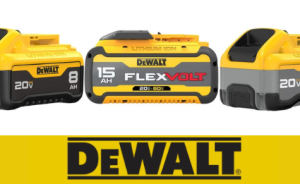
FLEXVOLT batteries use advanced internal wiring. Cells connect in different ways based on tool demand.
The battery delivers:
-
60V power for FLEXVOLT tools
-
20V power for 20V MAX tools
The switch happens automatically. No user action required.
FLEXVOLT Battery Ratings
FLEXVOLT batteries show dual ratings.
Examples include:
-
6Ah at 60V
-
9Ah at 60V
-
12Ah at 60V
At 20V, those same batteries provide much higher amp-hours.
FLEXVOLT Physical Design
FLEXVOLT batteries use the same rail shape as 20V MAX batteries. Size remains larger due to more cells.
This design allows full backward compatibility.
FLEXVOLT Compatibility Rules
FLEXVOLT batteries work with:
-
All FLEXVOLT 60V tools
-
All DeWalt 20V MAX tools
FLEXVOLT batteries do not work with 12V tools.
Benefits of FLEXVOLT Interchangeability
One Battery for Many Jobs
One FLEXVOLT battery can power a small drill and a large saw. Tool switching becomes easier.
Jobsite clutter reduces.
Strong Support for Heavy Tools
High-demand tools need steady current. FLEXVOLT batteries handle load better.
Cut quality improves. Motor strain reduces.
Fewer Chargers Needed
One charger can handle FLEXVOLT and 20V MAX batteries. Setup stays simple.
DeWalt 12V MAX Battery System

Compact Tools for Tight Spaces
12V MAX tools focus on size and weight. These tools suit overhead work and narrow areas.
Common uses include:
-
Cabinet installation
-
Electrical panels
-
Furniture assembly
-
Light fastening
Why 12V Batteries Stay Separate
12V motors need lower voltage. Higher voltage would damage parts.
Battery size also blocks misuse. Rails do not match 20V tools.
12V batteries work only in 12V MAX tools.
DeWalt Chargers and Battery Compatibility

Multi-Voltage Charging Design
Most modern DeWalt chargers support several platforms.
Many chargers handle:
-
12V MAX
-
20V MAX
-
FLEXVOLT
Internal electronics detect battery type automatically.
Charging Safety Systems
DeWalt chargers monitor:
-
Temperature
-
Charge level
-
Cell balance
Charging stops once full. Overcharging does not occur.
Older Chargers and Limits
Some older chargers support only one platform. Label checks prevent mistakes.
Using the correct charger protects battery life.
Matching Battery Size to Tool Type
High-Draw Tools Explained
Some tools pull more current. Examples include:
-
Circular saws
-
Angle grinders
-
Reciprocating saws
-
Rotary hammers
Small batteries drain quickly in these tools.
Better Battery Choices for Heavy Tools
Large batteries handle heat better. Voltage stays stable.
Work stays smooth under load.
Small Tools and Balance
Small tools work better with smaller batteries. Balance improves. Hand fatigue reduces.
Battery choice affects comfort as well as runtime.
Interchangeability Across Tool Categories
Drills, Saws, and Lights
Platform match controls everything. Tool type does not matter.
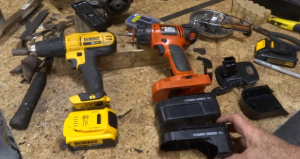
A 20V MAX battery fits drills, saws, fans, and lights.
Outdoor Power Equipment
Outdoor tools draw power fast. Lawn tools need larger batteries.
FLEXVOLT batteries often perform best outdoors.
Runtime planning matters for yard work.
Battery Adapters and Safety Risks
DeWalt Position on Adapters
DeWalt does not approve battery adapters. Adapters bypass safety systems.
Tool electronics lose protection.
Common Adapter Problems
Problems often include:
-
Overheating
-
Sudden shutdown
-
Short battery life
-
Damaged tools
Warranty coverage ends when adapters cause damage.
Official batteries remain the safest choice.
Older DeWalt Battery Systems
NiCad and NiMH Background
Older DeWalt tools used nickel-based batteries. These batteries required different chargers.
Lithium-ion batteries replaced them due to weight and performance.
Compatibility With Modern Tools
Modern batteries do not fit old tools. Old chargers do not support lithium-ion batteries.
Adapters exist but increase risk.
Tool upgrades often save money long term.
Battery Labels and Identification
Reading Battery Labels Correctly
Battery labels show:
-
Voltage
-
Capacity
-
Platform
Clear markings help prevent errors.
Tool Housing Information
Tool housings show compatible battery type. Quick checks avoid mistakes.
Visual confirmation matters before inserting a battery.
Battery Care and Daily Maintenance
Proper Charging Habits
Partial discharge works best. Full drain shortens life.
Recharge before the battery reaches zero.
Storage Best Practices
Cool and dry storage protects cells.
Extreme heat or cold damages batteries.
Cleaning and Inspection
Clean battery contacts often. Dirt blocks current flow.
Inspect batteries for cracks or swelling.
Battery Lifespan and Performance Loss
Normal Wear Over Time
All batteries wear out. Capacity slowly drops.
Heavy use speeds up aging.
Warning Signs of Failure
Watch for:
-
Short runtime
-
Excess heat
-
Bulging case
Replace damaged batteries immediately.
Cost Planning and Platform Strategy
Staying in One Platform
One platform reduces battery count. Cost drops over time.
Bare tools save money when batteries already exist.
Professional vs Home Use
Professionals benefit from FLEXVOLT systems. Home users often prefer 20V MAX tools.
Planning purchases avoids waste.
Environmental Impact of Interchangeable Batteries
Reduced Battery Waste
Fewer batteries mean less waste. Shared systems reduce disposal.
Long battery life supports sustainability.
Smarter Buying Choices
Buying fewer batteries lowers environmental impact.
Platform planning supports responsible use.
Real-Life Use Examples
Home Workshop Setup
A homeowner owns a drill, saw, and light. Two 20V MAX batteries support all tools.
Charging stays simple.
Jobsite Setup
A contractor uses FLEXVOLT for saws and 20V MAX for drills. One battery system powers all tools.
Downtime drops.
Common Myths About DeWalt Batteries
Bigger Battery Equals More Power
This idea stays false. Motors control power.
Bigger batteries only extend runtime.
All DeWalt Batteries Fit All Tools
This belief causes damage. Platform rules must match.
Voltage always matters.
FAQs
Are DeWalt batteries interchangeable across all tools?
No. Batteries work only within the same platform.
Do all 20V MAX batteries fit all 20V MAX tools?
Yes. Full interchangeability exists within the 20V MAX platform.
Can FLEXVOLT batteries replace 20V MAX batteries?
Yes. FLEXVOLT batteries work in all 20V MAX tools.
Does battery size affect tool strength?
No. Battery size affects runtime only.
Do DeWalt chargers support many batteries?
Yes. Most chargers support several platforms.
Are battery adapters safe to use?
No. Adapters increase risk and void warranties.
Conclusion
DeWalt battery interchangeability depends on platform design and voltage match. The 20V MAX system offers the widest compatibility. FLEXVOLT batteries add power and flexibility for heavy work.
The 12V MAX system stays separate for compact tools. Clear labels and smart battery care protect tools and users. Careful planning saves money, reduces waste, and improves daily work.