

What Does Makita Corp. ADR Do? Complete Guide
Makita Corp. ADR often appears on financial websites and investment platforms. Many people do not understand the term. It looks technical and confusing. The combination of “Makita” and “ADR” can seem intimidating. This article explains it clearly and simply.
Makita Corporation is a Japanese company known worldwide for its power tools and outdoor equipment. ADR stands for American Depositary Receipt. Together, Makita Corp. ADR allows U.S. investors to buy shares in Makita Corporation without buying shares directly on the Japanese stock market.
This guide explains the company, its global operations, the ADR structure, dividend systems, financial benefits, risks, and market factors. Each section contains examples and simplified language. After reading, you will understand how Makita Corp. ADR works and what it means for investors.
What Makita Corporation Is
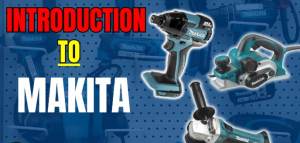
Makita Corporation is a Japanese manufacturer of power tools and outdoor equipment. It has a long history and global operations.
History of Makita
Makita started in 1915, when founder Mosaburo Makita opened a small electric motor repair business in Nagoya, Japan. Initially, the company repaired and sold motors for industrial equipment.
Over the years, Makita expanded its product line:
-
1958: Produced the first portable electric planer, marking entry into power tools.
-
1969: Began exporting tools internationally, starting with Europe and the U.S.
-
1978: Developed its first cordless drill, laying the foundation for modern battery-powered tools.
-
1980s–1990s: Expanded manufacturing to multiple countries, including Thailand, the U.S., and Europe.
-
2000s: Focused on lithium-ion battery technology and cordless tool systems.
Makita’s approach has always been steady growth and quality-focused, avoiding rushed expansion.
Product Range
Makita offers a broad product range:
-
Cordless tools: Drills, impact drivers, saws, and sanders
-
Wired electric tools: Circular saws, angle grinders, planers
-
Outdoor tools: Lawn mowers, trimmers, chainsaws, leaf blowers
-
Accessories: Batteries, chargers, blades, and replacement parts
The company ensures that batteries are compatible across multiple tools, making them convenient for professional users.
Global Presence
Makita operates worldwide:
-
Headquarters: Anjo, Aichi Prefecture, Japan
-
Factories: Japan, China, Thailand, Romania, the U.S., Brazil
-
Sales offices: More than 40 countries
-
Distribution: Over 160 countries
Makita balances central control from Japan with local market adaptation, ensuring products meet regional needs.
Understanding ADR (American Depositary Receipt)
Definition
ADR stands for American Depositary Receipt.
ADRs allow U.S. investors to buy shares in foreign companies without opening accounts on foreign stock markets. Many foreign stocks cannot trade directly on U.S. exchanges, so ADRs provide a practical solution.
How ADR Works
-
A U.S. bank buys foreign shares of a company.
-
The bank holds the shares in custody.
-
The bank issues ADRs in U.S. markets.
-
Each ADR represents one or more shares of the foreign company.
-
ADRs trade in U.S. dollars, allowing easy investment.
Benefits of ADR for Companies
Foreign companies benefit from ADRs:
-
Access to U.S. investors without full NYSE/NASDAQ listing
-
Lower administrative and regulatory costs compared to full listing
-
Increased visibility in a large financial market
-
Simplified dividend payments and currency conversions
Types of ADRs
-
Level 1 ADR: Traded on OTC markets, minimal reporting requirements
-
Level 2 ADR: Listed on major exchanges, requires more reporting
-
Level 3 ADR: Used for public offerings in the U.S., highest compliance standards
Makita Corp. ADR is a Level 1 ADR, meaning it trades on OTC markets with fewer requirements than major listings.
Makita Corp. ADR Explained
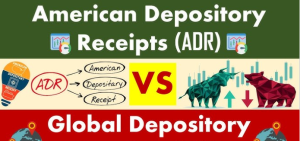
Makita Corp. ADR represents ownership of Makita Corporation for U.S. investors.
-
Investors do not buy Japanese shares directly.
-
ADR holders receive similar financial benefits as Japanese shareholders.
-
ADR price moves with Makita stock in Japan, adjusted for currency.
Example of ADR Ownership
-
One ADR may represent 1 Japanese share, or in some cases multiple shares.
-
If Makita stock rises 5% in Japan, the ADR price will also rise, adjusted for yen-to-USD conversion.
-
Dividends in yen convert to dollars and get distributed to ADR holders.
ADRs allow U.S. investors to invest in global companies easily and safely.
Where Makita Corp. ADR Trades
Makita ADR trades over-the-counter (OTC) in the United States.
-
Ticker symbol: MKTAF
-
OTC markets allow companies not listed on NYSE or NASDAQ
-
Investors trade ADRs through standard U.S. brokerage accounts
-
Liquidity may be lower than major exchanges, meaning large trades could affect price
Advantages of OTC Trading
-
Easy access for U.S. investors
-
Low listing costs for foreign companies
-
Flexibility and simplified reporting
-
ADRs can reach a wider investor base
Dividend Payments and ADRs
Dividends are a key reason many investors buy ADRs.
How Dividends Work
-
Makita pays dividends in Japanese yen.
-
Depositary bank collects the dividends and converts them into U.S. dollars.
-
ADR holders receive USD payments after fees.
Example of Dividend Calculation
-
Makita pays 50 yen per share.
-
ADR represents 1 Japanese share.
-
Conversion rate: 1 USD = 140 yen.
-
Investor receives $0.36 per ADR.
Factors Affecting Dividends
-
Exchange rates (yen vs. dollar)
-
Makita’s profitability
-
Bank fees and processing times
Currency fluctuations can significantly affect dividend income.
Financial Benefits of Makita ADR
Access to Global Growth
Makita ADR provides U.S. investors exposure to:
-
Japanese industrial and construction growth
-
Global manufacturing expansion
-
Consumer demand for tools
Portfolio Diversification
-
Reduces dependence on U.S. market performance
-
Adds exposure to a stable, globally recognized brand
-
Provides industrial and construction sector exposure
Dividend Income
-
Dividends provide passive income
-
Can be reinvested for long-term growth
-
Adds stability for income-focused investors
Makita Corporation Business Operations
Product Innovation
Makita invests heavily in research and development:
-
Brushless motor technology improves efficiency
-
Battery platforms power multiple tools
-
Cordless tool technology dominates new products
Example: One 18V battery can power over 50 different tools, providing convenience for professionals.
Manufacturing Strategy
-
Factories in Japan, China, Thailand, Romania, Brazil, and the U.S.
-
Quality checks at every stage of production
-
Skilled workforce plus automation
Makita maintains high quality standards across all factories.
Corporate Culture
Makita follows traditional Japanese business principles:
-
Respect and discipline
-
Long-term planning
-
Conservative, steady management
This culture ensures consistent products and reliable growth.
Revenue Streams of Makita Corporation
Makita earns revenue from several areas:
-
Professional tools: Largest share of revenue
-
Retail sales: Steady and predictable
-
Battery and cordless tools: Major growth area
Geographic Revenue
-
Japan
-
North America
-
Europe
-
Asia-Pacific
-
Latin America
This geographic diversity reduces risk and ensures stable income.
How ADR Ownership Works
ADR holders own indirect shares of Makita Corporation:
-
Voting rights are limited or handled by depositary bank
-
Dividends flow through ADR system
-
Investors enjoy capital gains and income benefits without direct Japanese share ownership
Difference Between ADR and Japanese Shares
-
Japanese shares trade on Tokyo Stock Exchange
-
ADRs trade in U.S. dollars on OTC markets
-
Both represent ownership in Makita
-
ADR prices reflect Japanese stock and currency exchange rates
Practical Example
-
Japanese stock rises 5% in yen
-
USD ADR gains depend on yen-to-USD exchange rate
-
Currency changes can increase or reduce returns
Risks of Investing in Makita ADR
Investors should consider:
-
Market risk: ADR price moves with Japanese stock
-
Currency risk: Yen fluctuations affect value
-
Liquidity risk: OTC markets may have lower trading volume
-
Economic risk: Construction and industrial slowdowns reduce demand
Careful consideration of these risks helps investors make better decisions.
Benefits of Holding Makita ADR
-
Easy access to Japanese stocks using USD
-
Exposure to a trusted, global brand
-
Dividend income provides extra returns
-
Helps diversify investment portfolio
Makita ADR vs Other Tool ADRs
Other tool companies with ADRs:
-
DeWalt: Part of Stanley Black & Decker
-
Milwaukee: Part of Techtronic Industries
Makita remains independent:
-
No parent company controls it
-
Internal decisions guide strategy
-
Focused on quality and stability
How Makita ADR Fits into a Portfolio
-
Long-term, conservative investment
-
Adds industrial and global exposure
-
Dividends support income strategies
-
Balances tech-heavy or U.S.-focused portfolios
Market Forces Affecting Makita ADR
Construction and Industrial Demand
-
Housing markets increase tool purchases
-
Infrastructure projects boost sales
-
Manufacturing expansion drives revenue
Battery Technology Trends
-
Cordless tools grow in popularity
-
Environmental regulations favor electric tools
-
Innovation sustains competitiveness
Global Economy
-
Currency shifts affect ADR value
-
Trade relations impact supply chains
-
Economic slowdowns reduce demand
Common Myths About Makita ADR
-
Myth: ADR is a separate company → False
-
Myth: ADR holders cannot benefit → False
-
Myth: ADRs are too risky → Risk exists but mitigated by brand and global presence
Long-Term Outlook
-
Continued investment in battery tools
-
Global expansion supports revenue
-
ADR program likely continues
-
Strong brand reputation ensures steady demand
FAQs
What is Makita Corp. ADR?
A U.S.-traded receipt representing Makita Corporation shares.
Can I trade Makita ADR easily?
Yes, through U.S. brokerage accounts on OTC markets.
Does Makita ADR pay dividends?
Yes, after conversion from yen to USD.
Are ADR holders voting members?
Voting is limited; the depositary bank represents them.
How is ADR price determined?
Price reflects Japanese stock, currency exchange, and U.S. market demand.
Is investing in Makita ADR risky?
Yes, due to market, currency, and economic risks.
Conclusion
Makita Corp. ADR allows U.S. investors to participate in Makita Corporation without buying Japanese shares directly. It simplifies international investing by handling currency, trading, and reporting through a U.S. bank.
Investors gain financial benefits like dividends and potential price growth while avoiding the complexities of foreign stock markets. Makita Corporation has a long history of producing high-quality tools and outdoor equipment.
Its focus on durability, battery-powered innovations, and consistent product performance makes it a trusted global brand. This strong foundation gives investors confidence in the stability and growth potential of the ADR.
Investing in Makita ADR also helps diversify a portfolio. Exposure to international markets, industrial tools, and global construction trends can reduce reliance on domestic stocks.
Dividends provide an additional source of income, while the company’s global reach spreads risk across multiple regions. Like any investment, Makita ADR carries risks. Market changes, currency fluctuations, and global economic conditions can affect ADR value.
Still, Makita’s reputation, management, and long-term presence in the tool industry make it a relatively stable choice for investors seeking both growth and income. Overall, Makita Corp. ADR represents a practical way to invest in a well-established, global company.
It combines the convenience of U.S. trading with the benefits of foreign ownership. For investors who value stability, international exposure, and steady dividends, Makita ADR offers a strong option to consider.


